
What Are Narcotics?
Medical Definition
In medical terminology, narcotics are drugs that relieve pain and may induce sleep or sedation. Most medically recognized narcotics belong to the class of opioids, which act on specific receptors in the brain and spinal cord to reduce the perception of pain. These medications are prescribed for moderate to severe pain, including post-surgical and cancer-related pain.
Legal Definition
Legally, the term narcotics refers to certain controlled substances regulated under national and international drug laws. In the United States, narcotics are regulated under the Controlled Substances Act, which categorizes drugs into schedules based on medical use and abuse potential. Law enforcement agencies such as the Drug Enforcement Administration oversee their regulation.
Difference Between Narcotics and Opioids
Although often used interchangeably, the terms are not identical:
| Term | Meaning |
| Narcotic | Legal and medical term for certain pain-relieving controlled substances |
| Opioid | Pharmacological class of drugs that bind to opioid receptors |
| Analgesic | Any medication that relieves pain (not all are narcotics) |
All opioids used for pain relief may be classified as narcotics legally, but not all analgesics are narcotics.
Summary
Narcotics are pain-relieving drugs that can cause sedation and are regulated under controlled substance laws. Medically, most narcotics are opioids that act on the central nervous system.
Key Points
- Narcotics are primarily used for pain management.
- Most narcotics belong to the opioid drug class.
- Legal definitions focus on regulation and abuse potential.
- The term “narcotic” can have different meanings in medical and legal contexts.
Common Misconceptions
- “All narcotics are illegal.”
Many narcotics are legally prescribed for medical use. - “Narcotics and opioids are completely different.”
In practice, most medically used narcotics are opioids.
Types of Narcotics
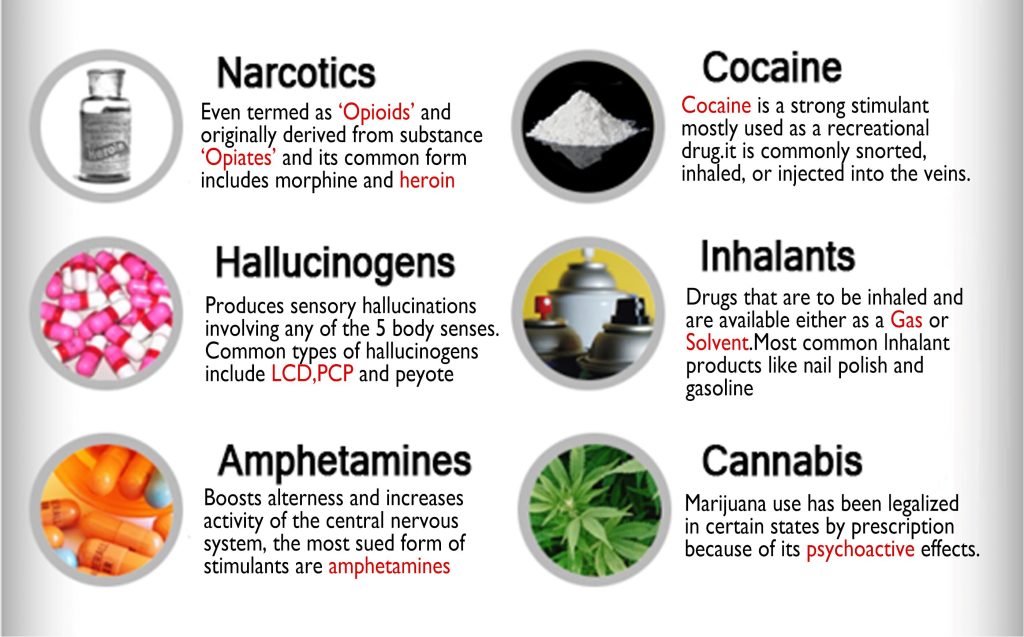
Narcotics can be classified based on how they are produced and their chemical structure. Most narcotics used in medicine belong to the opioid class and are categorized as natural, semi-synthetic, or synthetic substances.
Natural Narcotics
Natural narcotics are derived directly from the opium poppy plant. They contain alkaloids that act on opioid receptors in the brain to relieve pain and produce sedation.
Examples include:
- Morphine
- Codeine
These substances are commonly used in controlled medical settings for severe pain management. According to the World Health Organization, morphine remains a standard treatment for acute and cancer-related pain worldwide.
Semi-Synthetic Narcotics
Semi-synthetic narcotics are chemically modified versions of natural opiates. They are designed to improve potency, duration, or absorption.
Examples include:
- Oxycodone
- Hydrocodone
- Hydromorphone
These medications are widely prescribed for moderate to severe pain but carry a significant risk of dependence if misused.
Synthetic Narcotics
Synthetic narcotics are fully manufactured in laboratories and are not directly derived from the opium plant. Many are significantly more potent than natural opioids.
Examples include:
- Fentanyl
- Methadone
- Tramadol
Fentanyl, in particular, is highly potent and has been associated with increased overdose risk when misused. Public health agencies such as the National Institute on Drug Abuse emphasize the elevated risks associated with illicit synthetic opioids.
Classification Overview
| Category | Source | Relative Potency | Medical Use |
| Natural | Opium poppy | Moderate | Severe pain |
| Semi-synthetic | Modified natural opioids | Moderate–High | Acute & chronic pain |
| Synthetic | Laboratory-produced | High–Very High | Severe pain, addiction treatment |
Summary
Narcotics are categorized into natural, semi-synthetic, and synthetic types. While all can provide effective pain relief, synthetic forms are often more potent and carry higher overdose risk if misused.
Key Takeaways
- Narcotics can originate from plants or be produced synthetically.
- Semi-synthetic drugs are chemically altered natural opioids.
- Synthetic narcotics are often the most potent.
- All categories carry risks of tolerance, dependence, and misuse.
Common Misconception
Not all narcotics are equally strong. Potency varies significantly, particularly between natural and synthetic forms.
How Narcotics Affect the Brain and Body
Narcotics primarily act on the central nervous system by binding to specialized proteins known as opioid receptors. These receptors are located in the brain, spinal cord, and other parts of the body and play a key role in pain regulation and reward pathways.
Pain Relief Mechanism
Narcotics reduce pain by attaching to opioid receptors and blocking pain signals transmitted through the nervous system. This process alters the perception of pain rather than eliminating its physical cause. The body naturally produces endorphins that work in a similar way, but narcotics produce a much stronger effect.
Euphoria and Sedation
In addition to pain relief, narcotics can stimulate the brain’s reward system, leading to feelings of relaxation or euphoria. This effect occurs because narcotics increase dopamine activity in certain brain regions. Sedation, drowsiness, and slowed reaction times are common side effects.
Respiratory Depression
One of the most serious effects of narcotics is respiratory depression. High doses can suppress the brain’s control over breathing, leading to dangerously slow or stopped respiration. According to the Centers for Disease Control and Prevention, opioid-related respiratory depression is a leading cause of overdose deaths.
Physical Effects on the Body
Beyond the brain, narcotics may cause:
- Constricted pupils
- Slowed heart rate
- Constipation
- Nausea
- Reduced blood pressure
With repeated use, the body may develop tolerance, requiring higher doses to achieve the same effect.
Summary
Narcotics affect both the brain and body by altering pain perception, triggering sedation, and potentially suppressing breathing. While effective for pain management, they carry significant physiological risks, particularly at high doses.
Key Points
- Narcotics bind to opioid receptors in the brain and spinal cord.
- They block pain signals and may produce euphoria.
- High doses can suppress breathing.
- Long-term use can lead to tolerance and physical dependence.
Common Misconception
Narcotics do not “cure” pain; they modify how the brain perceives it.

Risks and Side Effects of Narcotics
Narcotics carry measurable health risks, particularly when misused, taken in high doses, or combined with other central nervous system depressants. Risk levels vary depending on dosage, duration of use, and individual health factors.
Short-Term Side Effects
Common short-term effects include:
- Drowsiness
- Dizziness
- Nausea and vomiting
- Constipation
- Confusion
- Slowed reaction time
These effects occur because narcotics depress central nervous system activity. Even at prescribed doses, sedation can impair driving or operating machinery.
Long-Term Health Risks
Prolonged use increases the likelihood of physiological adaptation and complications. Long-term risks include:
- Tolerance (reduced effect over time)
- Physical dependence
- Hormonal imbalances
- Chronic constipation
- Increased sensitivity to pain (opioid-induced hyperalgesia)
According to the National Institute on Drug Abuse, long-term opioid exposure alters brain chemistry, affecting decision-making and impulse control.
also read https://whocanonline.com/what-does-goat-mean-in-football/
Overdose Risks
Overdose is the most serious risk associated with narcotics. It occurs when a dose suppresses breathing to a dangerous level.
Risk factors include:
- High dosages
- Mixing with alcohol or sedatives
- Reduced tolerance after a period of abstinence
- Use of high-potency synthetic opioids
The World Health Organization identifies respiratory depression as the primary cause of narcotic-related fatalities.
Common Signs of Overdose
- Very slow or irregular breathing
- Blue or pale lips and fingernails
- Unresponsiveness
- Pinpoint pupils
Immediate medical intervention is critical in suspected overdose cases.
Summary
Narcotics can cause both short-term side effects and serious long-term health risks. Overdose, primarily due to respiratory depression, represents the most severe danger.
Key Points
- Short-term effects include sedation and gastrointestinal symptoms.
- Long-term use can alter brain function and cause dependence.
- Overdose risk increases with high doses or drug combinations.
- Respiratory depression is the leading cause of narcotic-related deaths.
Common Misconception
Prescription narcotics are not automatically safe. Even medically prescribed narcotics can carry serious risks if misused or improperly managed.
Treatment and Recovery from Narcotic Dependence
Treatment for narcotic dependence focuses on reducing withdrawal symptoms, preventing relapse, and restoring physical and psychological stability. Effective recovery typically combines medical support, behavioral therapy, and long-term monitoring.
Medical Detoxification
The first stage of treatment often involves medically supervised detoxification. During this phase, narcotics are reduced gradually or replaced with safer alternatives to manage withdrawal symptoms.
Common withdrawal symptoms include:
- Muscle aches
- Restlessness
- Insomnia
- Anxiety
- Sweating
- Nausea
While withdrawal from narcotics is rarely life-threatening, it can be intensely uncomfortable and increase relapse risk without medical support.
Medication-Assisted Treatment (MAT)
Medication-Assisted Treatment is considered one of the most effective approaches for opioid use disorder. Approved medications include:
- Methadone
- Buprenorphine
- Naltrexone
These medications help stabilize brain chemistry, reduce cravings, and block the euphoric effects of narcotics. According to the Substance Abuse and Mental Health Services Administration, MAT significantly lowers overdose deaths and improves long-term recovery outcomes.
Behavioral Therapy and Counseling
Psychological support plays a central role in recovery. Evidence-based approaches include:
- Cognitive Behavioral Therapy (CBT)
- Contingency Management
- Motivational Interviewing
- Group therapy programs
These therapies address underlying behavioral patterns, coping strategies, and environmental triggers associated with narcotic misuse.

Long-Term Recovery and Relapse Prevention
Recovery is often a long-term process rather than a single event. Successful relapse prevention strategies may include:
- Ongoing counseling
- Peer support programs
- Lifestyle restructuring
- Monitoring and accountability systems
The National Institute on Drug Abuse emphasizes that opioid use disorder is a chronic medical condition, meaning relapse can occur but does not represent treatment failure.
Summary
Treatment for narcotic dependence combines medical detox, medication-assisted therapy, and behavioral interventions. Long-term recovery requires structured support and relapse prevention planning.
Key Points
- Detox manages withdrawal symptoms safely.
- Medication-assisted treatment reduces cravings and overdose risk.
- Behavioral therapy addresses psychological factors.
- Recovery is ongoing and may require long-term care.
Common Misconception
Recovery from narcotic dependence is not simply a matter of willpower; it is a medically recognized condition requiring structured treatment and support.
Prevention Strategies and Public Health Approaches
Preventing narcotic misuse requires coordinated efforts across healthcare systems, communities, policymakers, and individuals. Effective prevention focuses on education, responsible prescribing, early intervention, and harm reduction.
also read https://whocanonline.com/what-does-goat-mean-in-football/
Responsible Prescribing Practices
Healthcare providers play a critical role in prevention. Modern clinical guidelines emphasize:
- Careful patient evaluation before prescribing narcotics
- Using the lowest effective dose
- Limiting prescription duration
- Monitoring for signs of misuse
Prescription monitoring programs help track controlled substances and reduce inappropriate prescribing patterns. The Centers for Disease Control and Prevention provides updated opioid prescribing guidelines to improve patient safety while maintaining access to necessary pain management.
Public Education and Awareness
Education campaigns aim to inform the public about the risks of narcotics, proper medication storage, and safe disposal methods. Awareness initiatives help reduce stigma and encourage individuals to seek help early.
School-based prevention programs and community outreach efforts also focus on identifying risk factors such as trauma, mental health conditions, and peer influence.
Early Screening and Intervention
Early identification of substance misuse significantly improves outcomes. Healthcare providers may use screening tools to detect risky behavior before dependence develops.
Brief interventions and referrals to treatment services can prevent escalation. The World Health Organization supports integrating substance use screening into primary healthcare systems to promote early response.
Harm Reduction Approaches
Harm reduction strategies aim to minimize negative consequences rather than focusing solely on abstinence. These approaches may include:
- Access to overdose-reversal medications such as naloxone
- Safe medication disposal programs
- Supervised treatment programs
- Education on overdose recognition
These strategies reduce mortality rates and support pathways toward long-term recovery.
Summary
Prevention of narcotic misuse relies on responsible prescribing, education, early intervention, and harm reduction strategies. Public health collaboration is essential to reduce misuse and overdose rates.
Key Points
- Careful prescribing reduces misuse risk.
- Education empowers safer decision-making.
- Early screening improves treatment outcomes.
- Harm reduction strategies save lives.
Common Misconception
Prevention is not solely the responsibility of individuals. Healthcare systems, communities, and policymakers all play essential roles in reducing narcotic-related harm.
Legal Regulations and Global Drug Control Policies
Narcotics are among the most tightly regulated substances worldwide due to their medical value and high potential for misuse. Governments balance two priorities: ensuring access for legitimate medical use and preventing diversion, trafficking, and non-medical consumption.
International Drug Control Framework
Global narcotics regulation is largely guided by international treaties coordinated through the United Nations Office on Drugs and Crime. The Single Convention on Narcotic Drugs (1961) established a framework requiring countries to control the production, distribution, and use of certain substances while permitting medical and scientific applications.
These agreements classify narcotics into schedules based on medical value, risk of abuse, and safety profile.
National Scheduling Systems
Individual countries maintain their own classification systems for controlled substances. In the United States, the Drug Enforcement Administration oversees scheduling under the Controlled Substances Act.
Substances are categorized into schedules according to:
- Accepted medical use
- Potential for abuse
- Risk of dependence
Schedule II substances, for example, may have legitimate medical uses but carry a high potential for misuse and strict prescribing regulations.
Criminal Penalties and Enforcement
Illegal possession, distribution, or trafficking of narcotics can result in severe penalties, including fines and imprisonment. Enforcement strategies vary by country and may include:
- Border control measures
- Law enforcement investigations
- International cooperation agreements
- Anti-trafficking operations
Some nations have shifted toward treatment-focused approaches rather than purely punitive models, particularly for individuals with substance use disorders.
Policy Debates and Reform Movements
Drug policy remains a subject of global debate. Discussions often focus on:
- Decriminalization vs. strict prohibition
- Expanding access to addiction treatment
- Balancing public health and criminal justice strategies
- Addressing disparities in enforcement
Policy reforms in various countries aim to reduce incarceration rates while prioritizing public health interventions.
Summary
Narcotics are regulated under international treaties and national laws that control production, distribution, and use. Legal frameworks seek to balance medical access with prevention of misuse and trafficking.
Key Points
- International treaties guide global narcotics control.
- National agencies regulate scheduling and enforcement.
- Penalties for illegal narcotics can be severe.
- Ongoing policy debates examine public health versus criminal justice approaches.
Common Misconception
Strict regulation does not eliminate medical use. Most legal frameworks are designed to preserve access for legitimate healthcare purposes while limiting abuse and illegal distribution.
Conclusions
Narcotics are powerful drugs used for pain relief but carry risks of dependence, overdose, and side effects. Understanding their types, effects, legal status, and treatment options is essential for safe use and public health awareness.
FAQs
What is the difference between narcotics and opioids?
The term “narcotics” is often used interchangeably with opioids, but technically it can have broader legal meanings depending on jurisdiction. In medical contexts, opioids refer specifically to substances that act on opioid receptors to relieve pain. In legal contexts, “narcotics” may include certain drugs classified under controlled substance laws.
Are all narcotics illegal?
No. Many narcotics are legally prescribed for medical purposes such as severe pain management, surgical recovery, or cancer-related pain. However, non-medical possession, distribution, or misuse is illegal in most countries.
How quickly can dependence develop?
Dependence can develop within weeks of regular use, particularly at higher doses. Risk varies depending on genetics, mental health history, dosage, and duration of use. The National Institute on Drug Abuse notes that repeated exposure alters brain chemistry, increasing the likelihood of dependence.
Can narcotics be used safely?
When prescribed appropriately and taken as directed under medical supervision, narcotics can be effective and relatively safe for short-term use. Risks increase with prolonged use, dosage escalation, or combining with alcohol or other sedatives.
What should someone do in case of suspected overdose?
Immediate emergency medical attention is critical. Many countries recommend administering naloxone if available, as it can reverse opioid-induced respiratory depression. Emergency services should always be contacted in suspected overdose situations.
Summary
Common questions about narcotics often focus on legality, safety, and dependence. While narcotics have legitimate medical uses, misuse carries serious health and legal risks.
Key Points
- Narcotics and opioids are related but may differ in legal context.
- Many narcotics are legal when prescribed.
- Dependence can develop relatively quickly.
- Overdose requires immediate emergency response.
Common Misconception
Needing prescription narcotics for medical pain does not automatically mean addiction. Addiction involves behavioral patterns and loss of control, not simply physical dependence under medical supervision.
References
- Purdue Pharma / Medical Literature on Opioids – Overview of opioid pharmacology and medical uses.
- National Institute on Drug Abuse (NIDA) – “Opioid Overdose Crisis” and “Prescription Opioids” reports. https://www.nida.nih.gov
- Centers for Disease Control and Prevention (CDC) – “Opioid Prescribing Guidelines for Chronic Pain.” https://www.cdc.gov