
Why Stretching Is Important
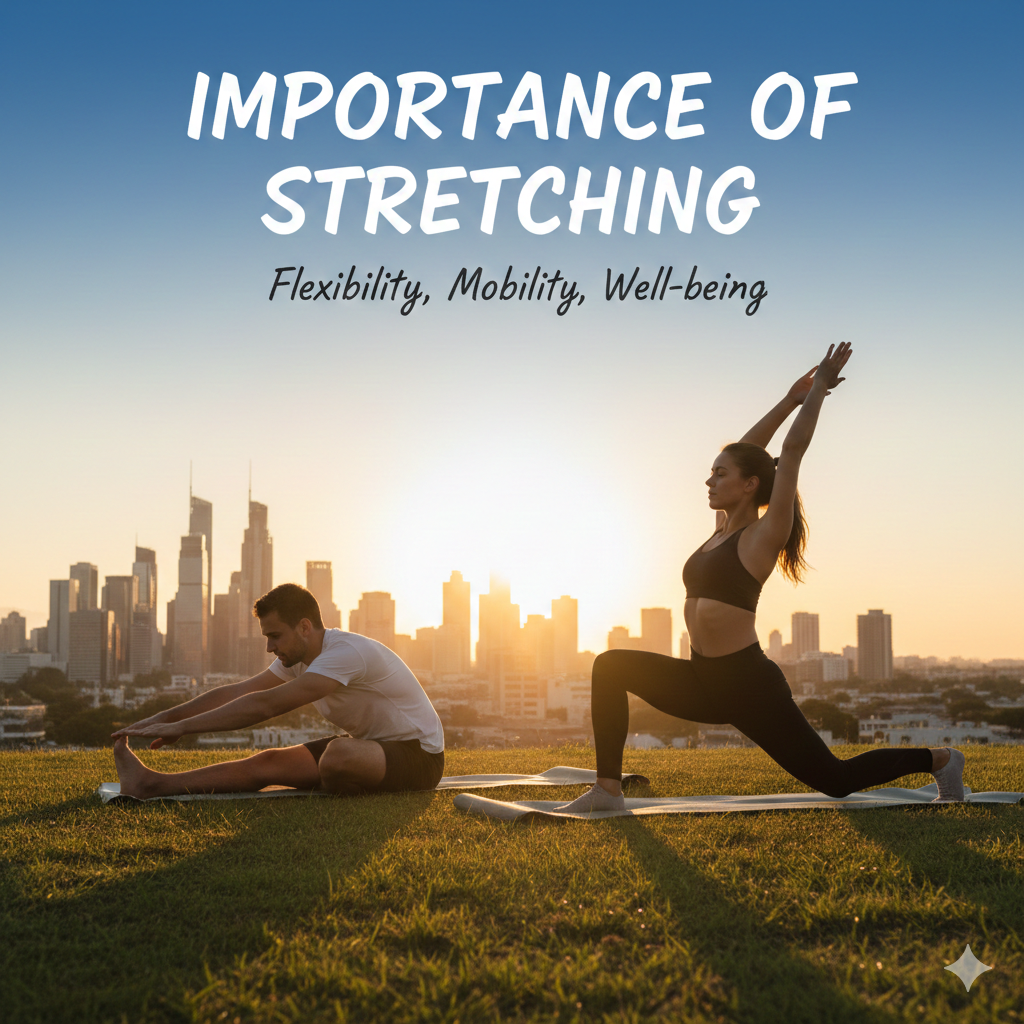
The importance of stretching cannot be overstated for maintaining physical, mental, and emotional well-being. Stretching prepares the body for movement, improves flexibility, and reduces the risk of injury. Regular practice enhances circulation, eases muscle tension, and supports posture, making it a critical component of any healthy lifestyle.
Understanding the importance of stretching also extends to mental benefits. Stretching activates relaxation responses, reduces stress, and improves focus, allowing individuals to start their day or exercise routine with clarity and calm. According to research, consistent stretching contributes to long-term mobility, balance, and overall health.
Key Facts
- The importance of stretching includes improved flexibility, posture, and circulation
- Stretching reduces the risk of injuries and muscle stiffness
- Mental benefits include relaxation, stress reduction, and better focus
Summary Box
Why stretching matters: Incorporating stretching into daily routines improves physical performance, mental clarity, and overall well-being, highlighting the central role of the importance of stretching in a healthy lifestyle.
Key Takeaways
- Stretching enhances both physical and mental health
- Prevents injuries and improves mobility
- Supports relaxation, focus, and overall daily performance
Physical Benefits of Stretching
Improved Flexibility and Mobility
One of the primary reasons for the importance of stretching is its ability to enhance flexibility and joint mobility. Regular stretching increases the range of motion, allowing muscles and joints to move more freely. Improved flexibility reduces stiffness and supports better posture during daily activities.
Injury Prevention and Muscle Recovery
Stretching helps prevent injuries by preparing muscles and tendons for physical activity. Warm-up stretches reduce the risk of strains, sprains, and overuse injuries. Additionally, post-exercise stretching aids in muscle recovery, decreases soreness, and improves overall performance.
Enhanced Circulation and Posture
Stretching stimulates blood flow to muscles, which supports nutrient delivery and waste removal. Improved circulation enhances energy and reduces fatigue. Furthermore, targeted stretches can correct muscular imbalances, contributing to better posture and reduced back or joint pain.
Key Facts
- Stretching improves flexibility, mobility, and posture
- Reduces the risk of muscle strains and injuries
- Supports muscle recovery and enhances circulation
Summary
Physical benefits of stretching include improved flexibility, injury prevention, muscle recovery, and better circulation. These benefits underscore the importance of stretching for maintaining a healthy and active lifestyle.
Key Takeaways
- Regular stretching increases mobility and flexibility
- Pre- and post-activity stretches prevent injuries and aid recovery
- Enhanced circulation and posture improve overall physical performance
Mental and Emotional Benefits of Stretching
Stress Relief and Relaxation
The importance of stretching extends beyond physical benefits. Stretching activates the parasympathetic nervous system, which promotes relaxation and reduces stress levels. Gentle morning or evening stretches can calm the mind, relieve tension, and create a sense of mental balance.
Enhanced Focus and Mindfulness
Incorporating stretching into daily routines encourages mindfulness, as individuals focus on breathing, posture, and movement. This practice improves concentration, mental clarity, and overall cognitive performance. Mindful stretching sessions highlight the importance of stretching for both body and mind.
Emotional Well-Being
Regular stretching can also enhance mood and emotional stability. Physical movement combined with deep breathing reduces anxiety and fosters a sense of accomplishment, helping individuals start their day feeling energized and positive.
Also Read: Morning Habits of Healthy People
Key Facts
- Stretching reduces stress and promotes relaxation
- Mindful stretching improves focus and cognitive clarity
- Supports emotional stability and boosts mood
Summary
Mental and emotional benefits of stretching include stress relief, mindfulness, and enhanced emotional well-being. Recognizing the importance of stretching helps individuals integrate it into daitheir ly routines for holistic health.
Key Takeaways
- Stretching calms the mind and reduces stress
- Mindful practice enhances focus and mental clarity
- Emotional well-being improves through regular stretching
Types of Stretching
Static Stretching
Static stretching involves holding a stretch for 15–60 seconds without movement. This type improves flexibility and muscle length over time and is best performed after exercise to aid recovery. Static stretches highlight the importance of stretching in maintaining long-term mobility.
Dynamic Stretching
Dynamic stretching uses controlled, active movements to gently stretch muscles and joints. It increases blood flow, warms up muscles, and prepares the body for activity. Dynamic stretches are ideal before workouts or sports to enhance performance and prevent injuries.
PNF (Proprioceptive Neuromuscular Facilitation) Stretching
PNF stretching combines stretching and contracting muscles to maximize flexibility gains. Often done with a partner or resistance band, it is highly effective for increasing the range of motion. This advanced method underscores the importance of stretching for achieving optimal muscle performance.
Key Facts
- Static stretching improves flexibility and aids recovery
- Dynamic stretching warms up muscles and enhances performance
- PNF stretching maximizes flexibility and range of motion
Summary
Understanding types of stretching—static, dynamic, and PNF—helps individuals tailor routines to meet fitness goals. These variations reinforce the importance of stretching for physical health and athletic performance.
Key Takeaways
- Static stretches are best post-exercise for recovery
- Dynamic stretches prepare the body for activity
- PNF stretching is highly effective for flexibility and range of motion
Best Practices for Safe Stretching
Warm-Up and Cool-Down Techniques
To maximize the importance of stretching, always include a warm-up before exercise. Light cardio, like brisk walking or jogging, increases blood flow to muscles, making them more pliable and reducing injury risk. Similarly, stretching during cool-downs helps muscles relax and supports recovery.
Avoid Overstretching and Injuries
Overstretching can lead to muscle strains, ligament injuries, or joint pain. The key is to stretch gradually, listen to your body, and avoid forcing movements. Safe stretching reinforces the importance of stretching for long-term health without causing harm.
Consistency and Duration
For maximum benefits, incorporate stretching daily or at least several times a week. Hold static stretches for 15–60 seconds and repeat 2–4 times per muscle group. Following consistent routines emphasizes the importance of stretching for flexibility, mobility, and overall wellness.
Key Facts
- Warm-ups and cool-downs prevent injury and improve flexibility
- Avoid overstretching to reduce muscle and joint damage
- Consistent stretching supports long-term mobility and health
Summary
Safe stretching practices include warming up, cooling down, avoiding overstretching, and maintaining consistency. Observing these guidelines highlights the importance of stretching for both performance and overall well-being.
Key Takeaways
- Warm up muscles before stretching and cool down after exercise
- Stretch gradually and avoid forcing movements
- Regular practice ensures lasting flexibility and injury prevention
Stretching for Different Groups
Athletes and Fitness Enthusiasts
For athletes, the importance of stretching lies in enhancing performance, preventing injuries, and improving recovery. Dynamic stretching before workouts and static or PNF stretching afterward helps maintain muscle flexibility, joint mobility, and overall athletic efficiency.
Office Workers and Sedentary Individuals
People with sedentary lifestyles benefit from stretching to reduce stiffness, improve posture, and relieve back or neck pain. Short daily stretching sessions counteract prolonged sitting and emphasize the importance of stretching for overall physical health.
Seniors and Mobility Challenges
For seniors, stretching improves balance, joint mobility, and muscle elasticity, reducing the risk of falls. Gentle, consistent stretches maintain independence and quality of life, demonstrating the importance of stretching at every age.
Key Facts
- Athletes use stretching to prevent injuries and enhance performance
- Office workers stretch to reduce stiffness and improve posture
- Seniors stretch to maintain mobility, balance, and independence
Summary
Stretching for different groups ensures that everyone, from athletes to seniors, experiences the importance of stretching for physical health, flexibility, and daily functionality.
Key Takeaways
- Tailor stretching routines to individual needs and activity levels
- Athletes focus on performance and recovery
- Seniors and sedentary individuals benefit from gentle, consistent stretches
Common Misconceptions About Stretching
Stretching Only Before Exercise
A common misconception is that stretching is only necessary before workouts. In reality, the importance of stretching extends to daily mobility, stress relief, and injury prevention, even outside of exercise routines.
Flexibility Is Only for Athletes
Many believe flexibility benefits only athletes. However, regular stretching improves range of motion, posture, and overall health for everyone, emphasizing that the importance of stretching applies to all age groups and lifestyles.
Pain Equals Effective Stretching
Some assume that feeling pain during stretching means it’s effective. This is false. Overstretching can cause injuries, whereas gentle tension that feels comfortable is sufficient to gain the benefits of stretching safely.
One-Time Stretching Is Enough
Another misconception is that occasional stretching is enough. Consistency is crucial—daily or regular stretching maximizes flexibility, reduces injury risk, and reinforces the importance of stretching over the long term.
Key Facts
- Stretching is important beyond pre-exercise routines
- Flexibility benefits all people, not just athletes
- Pain is not a sign of effectiveness; gentle stretching is safer
- Regular practice maximizes long-term benefits
Summary
Common misconceptions about stretching include timing, target groups, pain, and frequency. Understanding these myths reinforces the importance of stretching safely and consistently for everyone.
Key Takeaways
- Stretching is valuable at any time, not just before exercise
- Everyone benefits from improved flexibility and mobility
- Gentle, consistent stretching is safe and effective
Common Mistakes
❌ Believing stretching is only for athletes or pre-workouts
✅ Incorporate regular stretching for flexibility, health, and injury prevention
Conclusion
The importance of stretching extends far beyond flexibility—it plays a vital role in physical health, mental well-being, and overall quality of life. Regular stretching improves mobility, posture, circulation, and muscle recovery, while also reducing stress and enhancing mental clarity.
By incorporating stretching into daily routines, individuals can prevent injuries, boost athletic performance, and maintain long-term joint and muscle health. Whether you are an athlete, office worker, or senior, understanding and practicing the importance of stretching ensures a balanced, healthy, and active lifestyle.
Key Takeaways:
- Stretching enhances physical flexibility, posture, and circulation
- Mental and emotional well-being improve through relaxation and mindfulness
- Consistency is essential to reap long-term benefits
FAQs
1. Why is stretching important for everyone?
Stretching improves flexibility, mobility, posture, and mental well-being, benefiting people of all ages and activity levels.
2. How often should I stretch?
Daily stretching or at least several times a week is recommended to maintain flexibility and prevent injuries.
3. What is the best time to stretch?
Dynamic stretching is ideal before exercise, while static stretching is best after workouts or as a standalone daily routine.
4. Can stretching reduce stress?
Yes, stretching activates the relaxation response, reduces muscle tension, and promotes mindfulness.
5. Are there different types of stretching?
Yes, the main types include static, dynamic, and PNF (proprioceptive neuromuscular facilitation) stretching.
6. Is stretching only for athletes?
No, stretching benefits everyone, including sedentary individuals, office workers, and seniors, by improving mobility and preventing injuries.
7. Can overstretching be harmful?
Yes, overstretching can cause muscle strains or joint injuries. Gentle, consistent stretching is safer and more effective.
References
- American College of Sports Medicine (ACSM). Guidelines for Exercise and Stretching. ACSM Publications, 2021.
- Mayo Clinic. Stretching: Focus on Flexibility. Mayo Clinic Health, 2020.
- Harvard Health Publishing. The Benefits of Stretching and Mobility. Harvard Health, 2019.
- National Academy of Sports Medicine. Stretching Techniques for Athletes. NASM Reports, 2020.
- World Health Organization. Physical Activity Guidelines. WHO, 2020.
- Journal of Strength and Conditioning Research. Effects of Stretching on Muscle Performance. 2021.
- Positive Psychology Research. Stretching and Mindfulness Benefits. 2022.
 Who Can