
Understanding Human Rights in the Modern World:
Human rights are the fundamental freedoms and protections that belong to every person simply by virtue of being human. These rights are universal, meaning they apply regardless of nationality, gender, ethnicity, religion, or social status. In the modern world, human rights shape laws, policies, and social norms, influencing how governments treat citizens and how societies protect dignity and equality.
The modern human rights framework grew largely from the aftermath of World War II, when nations sought to prevent future atrocities. The adoption of the Universal Declaration of Human Rights (UDHR) in 1948 established a global standard recognizing rights such as freedom of expression, fair treatment under the law, access to education, and protection from discrimination. While progress has been made, challenges remain in ensuring these rights are respected consistently across regions.
Ready Facts:
- The Universal Declaration of Human Rights was adopted in 1948.
- Human rights are considered universal and inalienable.
- Modern human rights influence national laws and global cooperation.
- Protection levels vary widely between countries.
Summary:
Human rights form the foundation of dignity, equality, and justice in modern societies. Their development created global standards, but real-world protection continues to evolve.
Key Takeaways:
- Human rights apply to all people without exception.
- Modern frameworks emerged after World War II.
- Implementation differs across nations.
Core Categories of Human Rights:
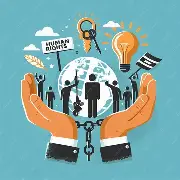
Human rights are commonly grouped into broad categories to clarify how they protect different aspects of human life. While all rights are interconnected and equally important, these categories help explain how protections apply to civil freedoms, social well-being, and collective development. In the modern world, understanding these categories makes it easier to recognize both progress and ongoing challenges.
Civil and political rights focus on protecting individual freedoms and participation in public life. These rights safeguard people from abuse of power and ensure fair treatment under the law. Economic, social, and cultural rights support access to essential resources that allow individuals to live with dignity. A third dimension, often described as collective or solidarity rights, emphasizes shared responsibilities and protections that affect entire communities or nations.
Major Categories Include:
- Civil rights: protection from discrimination and unequal treatment
- Political rights: participation in governance and free expression
- Economic rights: fair work conditions and livelihood protections
- Social rights: access to education, healthcare, and social services
- Cultural rights: preservation of identity, language, and traditions
- Collective rights: development, peace, and environmental protection
Ready Facts:
- Human rights categories are interconnected and indivisible.
- Civil and political rights protect freedoms and legal equality.
- Social and economic rights support quality of life.
- Collective rights address shared global concerns.
Summary:
Human rights categories organize protections into clear areas while reinforcing that all rights work together to support dignity and equality.
Key Takeaways:
- Rights cover freedoms, well-being, and collective interests.
- Categories help explain how protections function.
- All rights are interdependent and equally important.
Global Progress and Achievements:
Since the establishment of the modern human rights framework, significant progress has been made in expanding protections and raising global awareness. International treaties, advocacy movements, and legal reforms have helped reduce discrimination, promote equality, and strengthen accountability. Many countries have incorporated human rights principles into their constitutions and legal systems, creating formal mechanisms to protect citizens.
Global cooperation has also played a key role. Organizations, courts, and monitoring bodies work to investigate violations and encourage compliance with international standards. Civil society groups, journalists, and grassroots movements continue to push for transparency and reform. While progress is uneven and challenges remain, measurable improvements demonstrate that sustained advocacy and policy action can advance human dignity worldwide.
Areas of Progress Include:
- Expansion of anti-discrimination laws in many regions
- Increased global recognition of gender equality
- Growth of international human rights treaties and monitoring bodies
- Greater awareness of children’s and minority rights
- Legal reforms addressing labor protections and fair treatment
- Strengthened accountability through international courts
Ready Facts:
- Most countries now recognize human rights in national law.
- Global treaties address discrimination, child protection, and labor rights.
- Civil society advocacy has influenced major reforms.
- International monitoring bodies track compliance and violations.
Summary:
Human rights progress reflects decades of legal reform, advocacy, and international cooperation, demonstrating that global standards can drive meaningful change.
Key Takeaways:
- Legal and social protections have expanded worldwide.
- Advocacy and monitoring promote accountability.
- Progress is ongoing and requires continued effort.
Ongoing Challenges and Violations:
Despite decades of progress, human rights violations remain a persistent global concern. Many regions continue to struggle with discrimination, political repression, unequal access to justice, and limits on fundamental freedoms. Conflicts, weak institutions, corruption, and social inequality can undermine legal protections, leaving vulnerable populations at higher risk. Modern challenges also include digital surveillance, displacement, and barriers to economic opportunity.
Human rights enforcement is uneven. While laws and treaties exist, implementation often depends on political will, institutional capacity, and public accountability. Marginalized groups — including minorities, migrants, and low-income communities — frequently experience disproportionate impacts when protections fail. Globalization and rapid technological change have introduced new ethical questions about privacy, labor rights, and access to information, requiring updated safeguards.
Common Areas of Concern Include:
- Restrictions on freedom of expression or assembly
- Discrimination based on gender, ethnicity, or belief
- Forced displacement and refugee crises
- Labor exploitation and unsafe working conditions
- Unequal access to healthcare and education
- Digital privacy and surveillance risks
Ready Facts:
- Human rights protections vary significantly between regions.
- Vulnerable populations face higher risk of rights violations.
- Conflicts and governance gaps weaken enforcement.
- Emerging technologies create new rights-related challenges.
Summary:
Ongoing violations highlight the gap between human rights principles and real-world enforcement. Addressing these challenges requires institutional strength, accountability, and adaptation to modern risks.
Key Takeaways:
- Legal protections do not guarantee consistent enforcement.
- Social inequality increases vulnerability to violations.
- Modern issues demand updated safeguards.
Role of Governments and International Organizations:
Governments carry the primary responsibility for protecting and enforcing human rights within their borders. This includes creating fair laws, ensuring independent judicial systems, and providing access to justice for all citizens. Effective governance, transparency, and accountability are essential for translating human rights principles into real protections. When governments fail to uphold these responsibilities, violations often increase and trust in institutions declines.
International organizations play a complementary role by setting global standards, monitoring compliance, and supporting cooperation between nations. Bodies such as the United Nations, regional human rights courts, and international NGOs help investigate abuses, provide humanitarian assistance, and apply diplomatic pressure. While these organizations cannot replace national action, they strengthen accountability and promote shared responsibility in addressing human rights challenges.
Key Roles Include:
- Governments: creating and enforcing human rights laws
- Judicial systems: ensuring fair trials and legal remedies
- International organizations: setting global standards
- Monitoring bodies: tracking compliance and violations
- NGOs: advocacy, education, and victim support
- Diplomatic channels: encouraging reform and cooperation
Ready Facts:
- Governments are legally responsible for rights protection.
- International organizations support oversight and accountability.
- NGOs often act as watchdogs and advocates.
- Global cooperation strengthens human rights enforcement.
Summary:
Human rights protection depends on effective national governance supported by international standards, monitoring, and cooperation.
Key Takeaways:
- Governments hold primary enforcement responsibility.
- International bodies promote accountability.
- Collaboration is essential for progress.
The Role of Individuals and Civil Society:
Individuals and civil society play a crucial role in promoting and defending human rights. While governments and international organizations set the legal framework, societal pressure, advocacy, and grassroots initiatives are essential for ensuring these rights are respected in practice. Active participation by citizens strengthens accountability and helps prevent abuses.
Civil society includes non-governmental organizations (NGOs), community groups, activists, and independent media. These groups educate the public, monitor violations, provide legal and humanitarian support, and campaign for reforms. Individuals can contribute by raising awareness, reporting abuses, volunteering, supporting human rights campaigns, and advocating for marginalized communities. Digital platforms have expanded opportunities for citizen activism, enabling global coordination and amplifying voices that might otherwise go unheard.
Key Actions Include:
- Advocacy and awareness campaigns
- Legal support and protection for victims
- Monitoring and reporting violations
- Volunteering and community engagement
- Supporting freedom of press and investigative journalism
- Digital activism and global campaigns
Ready Facts:
- Civil society organizations are vital for accountability and transparency.
- Individual activism can influence policy and social norms.
- Media and digital platforms amplify human rights issues worldwide.
- Grassroots initiatives often drive local and national change.
Summary:
Individuals and civil society act as watchdogs, advocates, and educators, playing a central role in safeguarding human rights and promoting social justice globally.
Key Takeaways:
- Citizen participation reinforces accountability.
- NGOs and media monitor and report abuses.
- Grassroots initiatives and digital activism amplify impact.
Future Challenges and Recommendations:
The modern world presents both new challenges and opportunities for human rights protection. Rapid technological advancements, global migration, climate change, and political instability are reshaping the landscape, requiring innovative approaches and vigilant enforcement.
Future Challenges:
- Digital privacy and surveillance: Increasing online monitoring raises concerns over freedom of expression and personal privacy.
- Climate change and displacement: Environmental crises are causing forced migration and resource-based conflicts, impacting human rights.
- Inequality and social exclusion: Persistent economic and social disparities threaten access to education, healthcare, and justice.
- Political instability and authoritarianism: Weak institutions and oppressive governments undermine civil liberties and democratic freedoms.
Recommendations:
- Strengthen international cooperation to protect human rights in a globalized world.
- Update legal frameworks to address digital rights and emerging technologies.
- Promote inclusive policies to reduce inequality and support marginalized populations.
- Enhance education and awareness campaigns to empower citizens about their rights.
- Support independent media, NGOs, and civil society as watchdogs and advocates.
Ready Facts:
- Digital surveillance challenges freedom of expression worldwide.
- Climate-related migration is increasing, affecting millions.
- Social inequality limits access to fundamental rights for marginalized groups.
- Strong international collaboration can enhance human rights protection.
Summary:
Human rights in the modern world face evolving threats that demand adaptive legal, social, and technological responses. Proactive measures, global cooperation, and empowered citizens are essential to address these challenges and uphold human dignity.
Key Takeaways:
- New challenges include technology, climate, and inequality.
- Updated laws and policies are essential for protection.
- Education and civil society strengthen accountability.
- Global collaboration ensures sustainable human rights enforcement.
also read : Discover the Power of Encyclopedias for Learning and Research.
Conclusion
Human rights remain a cornerstone of justice, equality, and dignity in the modern world. While significant progress has been made through international treaties, national legislation, and advocacy movements, challenges persist due to political instability, inequality, technological change, and climate-related crises.
Protecting human rights requires coordinated efforts across all levels of society. Governments must enforce laws and ensure accountability, international organizations should monitor compliance and foster cooperation, and individuals and civil society must advocate, educate, and hold authorities accountable. By understanding both achievements and ongoing challenges, societies can work together to ensure that human rights are respected, protected, and advanced for everyone, today and in the future.
Frequently Asked Questions (FAQs)
What are human rights?
Human rights are fundamental freedoms and protections that belong to every person, regardless of nationality, gender, ethnicity, religion, or social status.
When were modern human rights established?
The modern human rights framework emerged after World War II, with the adoption of the Universal Declaration of Human Rights (UDHR) in 1948.
What are the main categories of human rights?
Human rights are typically grouped into civil and political rights, economic and social rights, cultural rights, and collective or solidarity rights.
What progress has been made in human rights?
Many countries have incorporated human rights into their laws, international treaties protect vulnerable groups, and advocacy movements have expanded gender, children’s, and labor rights.
What are the ongoing challenges to human rights?
Challenges include political repression, inequality, forced migration, labor exploitation, digital surveillance, and inconsistent law enforcement.
How can individuals contribute to protecting human rights?
Individuals can advocate for marginalized groups, participate in community initiatives, report violations, support NGOs, and raise awareness through education and activism.
What role do international organizations play?
International organizations set global standards, monitor compliance, investigate violations, provide humanitarian support, and encourage cooperation among nations.
References
References
- United Nations. Universal Declaration of Human Rights. https://www.un.org/en/about-us/universal-declaration-of-human-rights
- Human Rights Watch. Global Human Rights Overview. https://www.hrw.org
.