
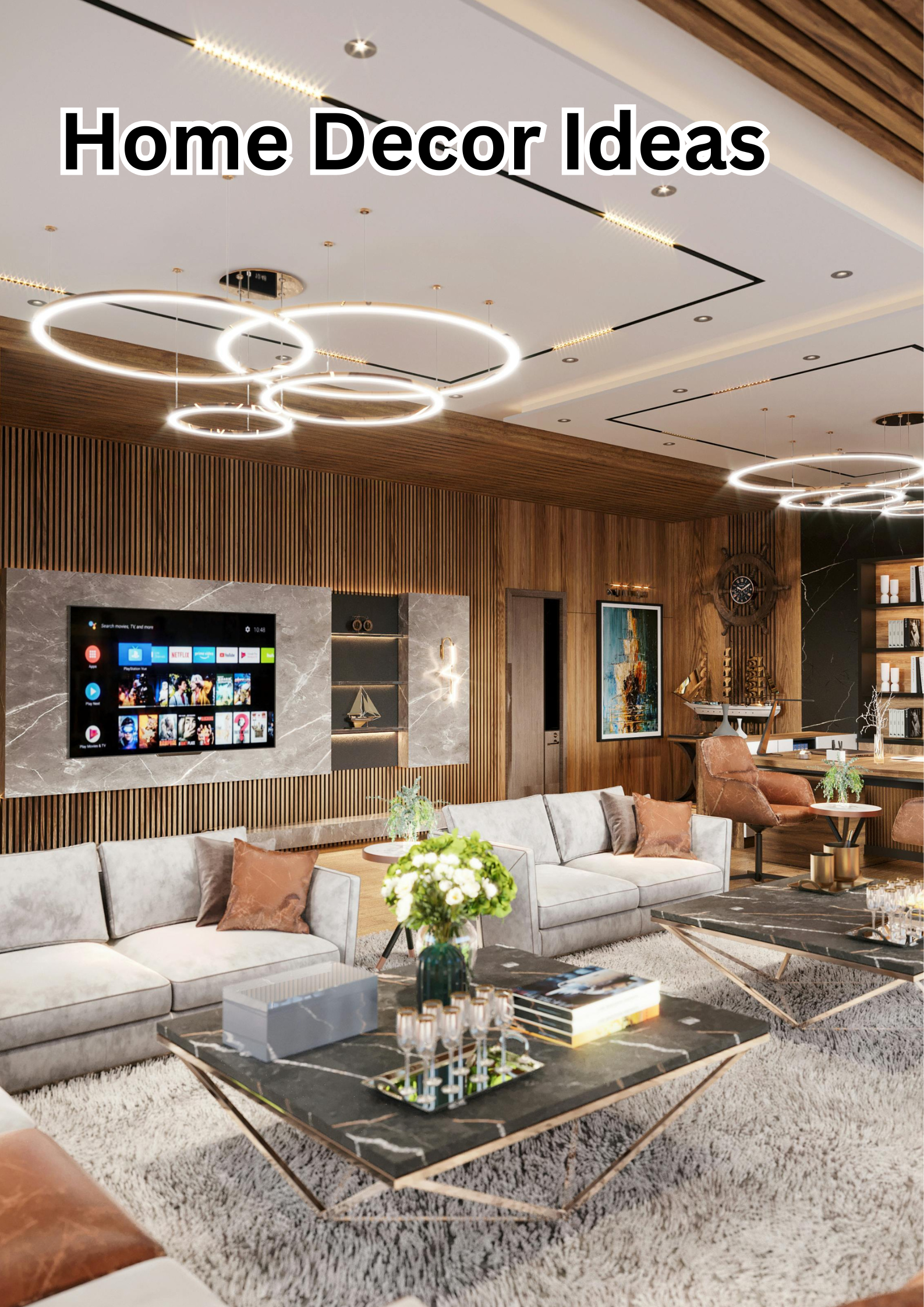
Home decor ideas refer to practical concepts and design approaches used to enhance the appearance, comfort, and functionality of interior living spaces. These ideas involve selecting and arranging furniture, colors, lighting, textures, and decorative elements to create a visually balanced and usable home environment.
Definition
Home decor ideas are methods and design solutions used to improve a home’s interior through furniture placement, color selection, lighting, and decorative accessories, while maintaining balance, functionality, and visual harmony.
Core Elements Included in Home Decor Ideas
Home decor ideas typically focus on:
- Furniture arrangement for space efficiency
- Color schemes that support mood and balance
- Lighting placement for visibility and ambiance
- Decorative elements such as wall art, rugs, and textiles
- Functional accessories that enhance usability
These elements work together to create a cohesive interior design.
Purpose of Using Home Decor Ideas
Applying structured home decor ideas helps homeowners optimize available space and maintain consistency across rooms.
Key objectives include:
- Improving visual appeal
- Enhancing comfort and usability
- Creating organized and clutter-free spaces
- Supporting daily living needs
Key Decor Components
| Decor Element | Role in Home Decor Ideas |
|---|---|
| Furniture | Defines layout and function |
| Color | Sets mood and harmony |
| Lighting | Enhances visibility and ambiance |
| Accessories | Adds visual interest |
| Textiles | Improves comfort and texture |
Summary
Home decor ideas provide structured ways to improve interior spaces using furniture, color, lighting, and decorative elements while maintaining balance and functionality.
Key Insights
- Home decor ideas focus on both aesthetics and function
- They involve furniture, color, lighting, and accessories
- Effective decor improves comfort and space efficiency
Pros and Cons
Pros
- Enhances home appearance
- Improves space organization
- Supports daily comfort
Cons
- Poor planning can reduce functionality
Basic Principles Behind Effective Interior Design
Effective interior design is based on core principles that ensure visual balance, comfort, and functionality. Applying these principles helps create cohesive spaces that feel organized and practical rather than cluttered or mismatched.
Balance and Proportion
Balance is a foundational design principle and refers to the visual distribution of elements within a space.
Types of balance include:
- Symmetrical balance: evenly distributed elements on both sides
- Asymmetrical balance: different elements with equal visual weight
- Radial balance: elements arranged around a central point
Proper proportion ensures furniture and decorative items fit the scale of the room.
Color Harmony and Contrast
Color selection plays a critical role in effective interior planning.
Color guidelines include:
- Using a consistent color palette
- Combining neutral tones with accent shades
- Avoiding excessive contrast that disrupts visual flow
Color harmony supports mood, cohesion, and visual comfort.
Lighting Layers
Lighting affects both functionality and atmosphere within a space.
Lighting layers include:
- Ambient lighting for overall illumination
- Task lighting for specific activities
- Accent lighting to highlight focal elements
Balanced lighting improves usability and comfort.
Space Utilization and Layout
Efficient space planning supports practical daily use.
Layout considerations include:
- Allowing clear movement pathways
- Avoiding overcrowding
- Matching furniture size to room dimensions
Well-planned layouts improve flow and functionality.
Core Design Principles Overview
| Principle | Primary Role |
|---|---|
| Balance | Creates visual stability |
| Proportion | Ensures size compatibility |
| Color harmony | Maintains cohesion |
| Lighting | Enhances function |
| Space planning | Improves usability |
Summary
Effective interior design relies on balance, color harmony, lighting, and space planning to create spaces that are both visually appealing and functional.
Key Insights
- Balance and proportion prevent visual clutter
- Color harmony supports mood and cohesion
- Lighting and layout improve usability
Pros and Cons
Pros
- Creates cohesive environments
- Improves comfort and flow
Cons
- Requires planning and consistency
Interior Design Approaches for Different Rooms
Applying design choices effectively requires adapting layouts and visual elements to the function of each room. Room-specific planning ensures comfort, usability, and visual consistency throughout the home.
Also read : Renovate your kitchen
Living Room Design Approaches
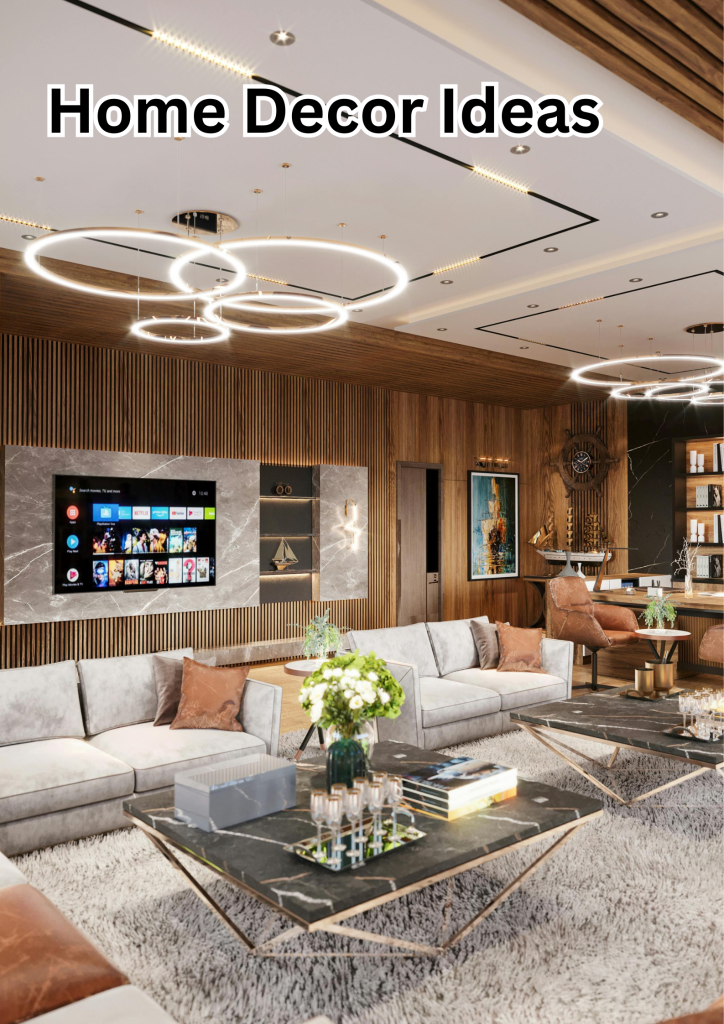
The living room is a shared space where layout and comfort are top priorities.
Key approaches include:
- Arranging seating to encourage conversation
- Using area rugs to define functional zones
- Adding layered lighting for flexibility
- Incorporating wall art or shelving for visual interest
Bedroom Design Approaches
Bedroom planning emphasizes relaxation and everyday functionality.
Recommended practices include:
- Selecting calming color palettes
- Using bedside lighting for convenience
- Maintaining clutter-free surfaces
- Choosing textiles that enhance comfort
Kitchen Design Approaches
Functional planning is essential in kitchen spaces.
Common elements include:
- Open shelving for easy access
- Neutral color schemes to support cleanliness
- Adequate task lighting
- Organized storage solutions
Bathroom Design Approaches
Bathroom planning prioritizes practicality and cleanliness.
Effective choices include:
- Moisture-resistant materials
- Minimal accessories to reduce clutter
- Proper lighting around mirrors
- Light or neutral color schemes
Room-Wise Design Focus Table
| Room | Primary Design Focus |
|---|---|
| Living Room | Comfort and layout |
| Bedroom | Relaxation and simplicity |
| Kitchen | Functionality and organization |
| Bathroom | Cleanliness and efficiency |
Summary
Design approaches vary by room and should align with each space’s function, layout, and usage to maintain balance and comfort.
Key Insights
- Each room requires specific planning methods
- Function should guide design decisions
- Consistency supports visual flow
Pros and Cons
Pros
- Improves room usability
- Enhances overall cohesion
Cons
- Requires room-by-room planning
Budget-Friendly Home Decor Ideas
Budget-friendly home decor ideas focus on improving interior spaces without high expenses. These ideas prioritize affordability, practicality, and efficient use of existing resources while maintaining visual appeal.
Also read : Transform Your Interior
Use of Cost-Effective Materials
Affordable materials play a key role in budget-friendly home decor ideas.
Common cost-effective options include:
- Paint for quick visual updates
- Removable wallpapers or decals
- Second-hand or refurbished furniture
- Simple textiles such as cushions and throws
Repurposing and Reusing Existing Items
Many effective home decor ideas rely on repurposing items already available at home.
Examples include:
- Rearranging furniture to refresh layouts
- Using storage baskets as decor elements
- Repurposing jars, trays, or containers
- Reusing frames for new wall displays
Focus on Small but Impactful Changes
Small adjustments can deliver noticeable improvements when applying home decor ideas on a budget.
High-impact changes include:
- Updating lighting fixtures
- Adding mirrors to enhance space perception
- Changing curtains or rugs
- Decluttering visible areas
Budget Decor Comparison
| Budget Approach | Impact on Home Decor |
|---|---|
| Paint updates | Immediate visual change |
| Repurposed items | Cost savings |
| Textiles | Added comfort and texture |
| Lighting upgrades | Improved ambiance |
Summary
Budget-friendly home decor ideas enhance interior spaces by using affordable materials, repurposing existing items, and focusing on high-impact changes.
Key Insights
- Budget-friendly decor emphasizes practicality
- Small changes create noticeable results
- Repurposing reduces overall cost
Pros and Cons
Pros
- Cost-efficient improvements
- Easy to implement
Cons
- Limited customization options
Home Decor Ideas by Style
Style-based home decor ideas help create a consistent visual identity across living spaces. Choosing a specific decor style guides decisions related to color, furniture, textures, and accessories, ensuring cohesive and intentional interiors.
Modern Home Decor Ideas
Modern home decor ideas focus on simplicity, clean lines, and functional design.
Key characteristics include:
- Neutral color palettes
- Minimal decorative elements
- Sleek furniture with simple forms
- Emphasis on functionality
Minimalist Home Decor Ideas
Minimalist home decor ideas prioritize clarity and reduced visual clutter.
Core principles include:
- Limited color schemes
- Essential furniture only
- Open, uncluttered layouts
- Focus on purpose-driven decor
Traditional Home Decor Ideas
Traditional home decor ideas emphasize classic design elements and symmetry.
Common features include:
- Warm color tones
- Detailed furniture designs
- Balanced layouts
- Decorative accents such as framed art
Scandinavian Home Decor Ideas
Scandinavian-inspired home decor ideas balance comfort and simplicity.
Key elements include:
- Light color palettes
- Natural materials like wood
- Soft textiles for warmth
- Functional yet cozy layouts
Decor Styles Comparison
| Decor Style | Key Focus | Visual Effect |
|---|---|---|
| Modern | Clean lines | Sleek and simple |
| Minimalist | Reduced elements | Open and calm |
| Traditional | Classic details | Warm and structured |
| Scandinavian | Comfort and light | Cozy and functional |
Summary
Home decor ideas by style provide a structured approach to decorating by aligning furniture, colors, and accessories with a consistent design theme.
Key Insights
- Style-based decor ensures consistency
- Each style follows distinct principles
- Choosing one style improves visual harmony
Pros and Cons
Pros
- Clear design direction
- Easier decor decisions
Cons
- Limited flexibility across styles
Common Interior Design Mistakes to Avoid
While decorating a home, many homeowners unintentionally make mistakes that reduce functionality, comfort, and visual balance. Avoiding these errors helps ensure that design choices enhance a space rather than create clutter or imbalance.
Overcrowding the Space
One common mistake is adding too many decorative elements in a single room.
Why this is a problem:
- Reduces movement space
- Creates visual clutter
- Weakens the impact of individual design elements
Effective interiors focus on balance, not excess.
Ignoring Scale and Proportion
Poor sizing choices can undermine even well-planned spaces.
Common issues include:
- Oversized furniture in small rooms
- Undersized items in large spaces
- Mismatched proportions between elements
Successful layouts always match object size to room dimensions.
Lack of Consistency Across Rooms
Using unrelated styles across rooms can disrupt visual flow.
Consistency problems include:
- Mixing multiple styles without planning
- Frequent color palette changes
- Random placement of decorative items
Strong interiors maintain cohesion throughout the home.
Neglecting Lighting Planning
Lighting is often overlooked, reducing the effectiveness of interior layouts.
Lighting-related mistakes include:
- Relying on a single light source
- Ignoring natural light availability
- Poor placement of accent lighting
Well-executed interiors integrate layered lighting solutions.
Mistakes vs Solutions
| Design Mistake | Improvement Strategy |
|---|---|
| Too many decorative items | Simplify the layout |
| Incorrect furniture sizing | Match scale and proportion |
| Inconsistent styling | Use cohesive design themes |
| Poor lighting | Apply layered lighting |
Summary
Avoiding common design mistakes ensures interiors remain functional, balanced, and visually effective across all living spaces.
Key Insights
- Balance is essential for effective interiors
- Scale and proportion influence usability
- Consistency improves visual flow
- Lighting enhances overall design quality
Pros and Cons
Pros
- Better overall results
- Improved comfort and clarity
Cons
- Requires planning and restraint
How to Choose the Right Home Decor Ideas for Your Space
Choosing the right home decor ideas requires careful evaluation of space, function, and personal needs. The most effective home decor ideas are those that align with room size, usage, and lifestyle while maintaining visual balance and comfort.
Assess Space Before Applying Home Decor Ideas
Before selecting home decor ideas, it is important to evaluate available space.
Space-related factors include:
- Room size and layout
- Natural light availability
- Movement flow between furniture
Proper assessment ensures home decor ideas enhance functionality rather than restrict it.
Match Home Decor Ideas to Room Function
Each room requires specific home decor ideas based on its purpose.
Examples include:
- Practical home decor ideas for kitchens and bathrooms
- Comfort-focused home decor ideas for bedrooms
- Layout-driven home decor ideas for living rooms
Functional alignment improves long-term usability.
Choose a Consistent Style for Home Decor Ideas
Consistency strengthens the impact of home decor ideas across the home.
Style selection tips:
- Stick to one primary decor style
- Use a unified color palette
- Repeat textures and materials
Consistent home decor ideas improve visual harmony.
Balance Aesthetics and Practicality in Home Decor Ideas
Effective home decor ideas balance appearance with everyday use.
Practical considerations include:
- Easy maintenance materials
- Durable furniture and decor
- Storage-integrated home decor ideas
Balanced home decor ideas support daily living needs.
Choosing Home Decor Ideas
| Step | Action Using Home Decor Ideas |
|---|---|
| 1 | Analyze space and layout |
| 2 | Identify room function |
| 3 | Select suitable home decor ideas |
| 4 | Maintain style consistency |
| 5 | Review practicality and comfort |
Summary
Choosing the right home decor ideas involves evaluating space, function, style consistency, and practicality to achieve balanced and usable interiors.
Key Insights
- Home decor ideas should match room size and purpose
- Consistency improves visual flow
- Practical home decor ideas support daily use
Pros and Cons
Pros
- Better decor outcomes
- Improved comfort and usability
Cons
- Requires upfront planning
Room-by-Room Interior Planning for Better Design Outcomes
Applying design strategies on a room-by-room basis helps maintain clarity, functionality, and visual consistency. Different spaces require different planning approaches based on usage, size, and comfort needs.
Living Room Design Planning
The living room is a central gathering area, so planning should focus on comfort and layout.
Effective approaches include:
- Balanced furniture placement
- Neutral base colors with accent elements
- Layered and functional lighting
Well-planned layouts improve both visual appeal and social comfort.
Bedroom Design Planning
Bedroom planning should promote relaxation and rest.
Common approaches include:
- Soft and calming color palettes
- Minimal elements to reduce clutter
- Furniture with integrated storage
Simple and calm layouts enhance sleep quality.
Kitchen Design Planning
Kitchen planning must balance style and efficiency.
Practical approaches include:
- Open shelving for easy access
- Easy-to-clean surfaces
- Focused lighting over work areas
Efficient layouts improve daily usability.
Bathroom Design Planning
Bathroom planning prioritizes cleanliness and space optimization.
Recommended approaches include:
- Wall-mounted storage solutions
- Moisture-resistant materials
- Minimal decorative elements
Smart planning helps maximize limited space.
Design Focus by Room
| Room | Primary Design Focus |
|---|---|
| Living Room | Comfort and layout |
| Bedroom | Relaxation and simplicity |
| Kitchen | Functionality and efficiency |
| Bathroom | Space optimization |
Summary
Using room-specific planning strategies ensures each space meets its functional needs while maintaining overall design consistency.
Key Insights
- Different rooms require different planning approaches
- Function should guide design decisions
- Room-based planning improves overall results
Pros and Cons
Pros
- Clear planning structure
- Better use of available space
Cons
- Requires individual evaluation for each room
Conclusion
Effective design choices play a critical role in shaping comfortable, functional, and visually balanced homes. By applying the right planning strategies, homeowners can improve space utilization, enhance comfort, and maintain consistency across rooms. Well-planned interiors focus on functionality, proportion, lighting, and usability rather than decoration alone. When chosen carefully, these choices support daily living needs while creating organized and welcoming environments. Regular evaluation and updates help ensure long-term satisfaction and adaptability to changing lifestyles.
Frequently Asked Questions (FAQs)
1. What are interior decoration concepts?
Interior decoration concepts are design approaches, layout strategies, and decorative choices used to enhance the appearance, comfort, and functionality of indoor spaces.
2. Why are interior decoration concepts important?
They help create organized, comfortable, and practical living environments while improving space efficiency and visual balance.
3. How do beginners choose interior decoration concepts?
Beginners should make selections based on room size, function, budget, and simplicity, focusing on comfort and consistency.
4. Are interior decoration concepts expensive to implement?
Many approaches are budget-friendly and focus on rearrangement, lighting improvements, and functional décor rather than costly renovations.
5. How often should interior decoration concepts be updated?
They can be updated periodically based on lifestyle changes, wear and tear, or evolving functional needs.
6. Do interior decoration concepts affect property value?
Well-executed design choices can positively influence property appeal by improving layout, functionality, and overall presentation.
References
2. Research and guidelines from established home improvement publications emphasize the role of functional layouts in improving comfort and long-term usability.
3. Documented residential planning frameworks highlight the importance of consistency and structured design approaches for efficient space utilization.
4. Best practice recommendations from leading design platforms confirm that thoughtful material selection and layout planning support durable and adaptable living environments.