
Gut health refers to the overall well-being of your digestive system, primarily influenced by the gut microbiome, a complex community of trillions of microorganisms living in the intestines. A healthy gut ensures proper digestion, nutrient absorption, immune system support, and mental well-being (based on research from leading nutrition and medical platforms).
H3: The Role of the Gut Microbiome
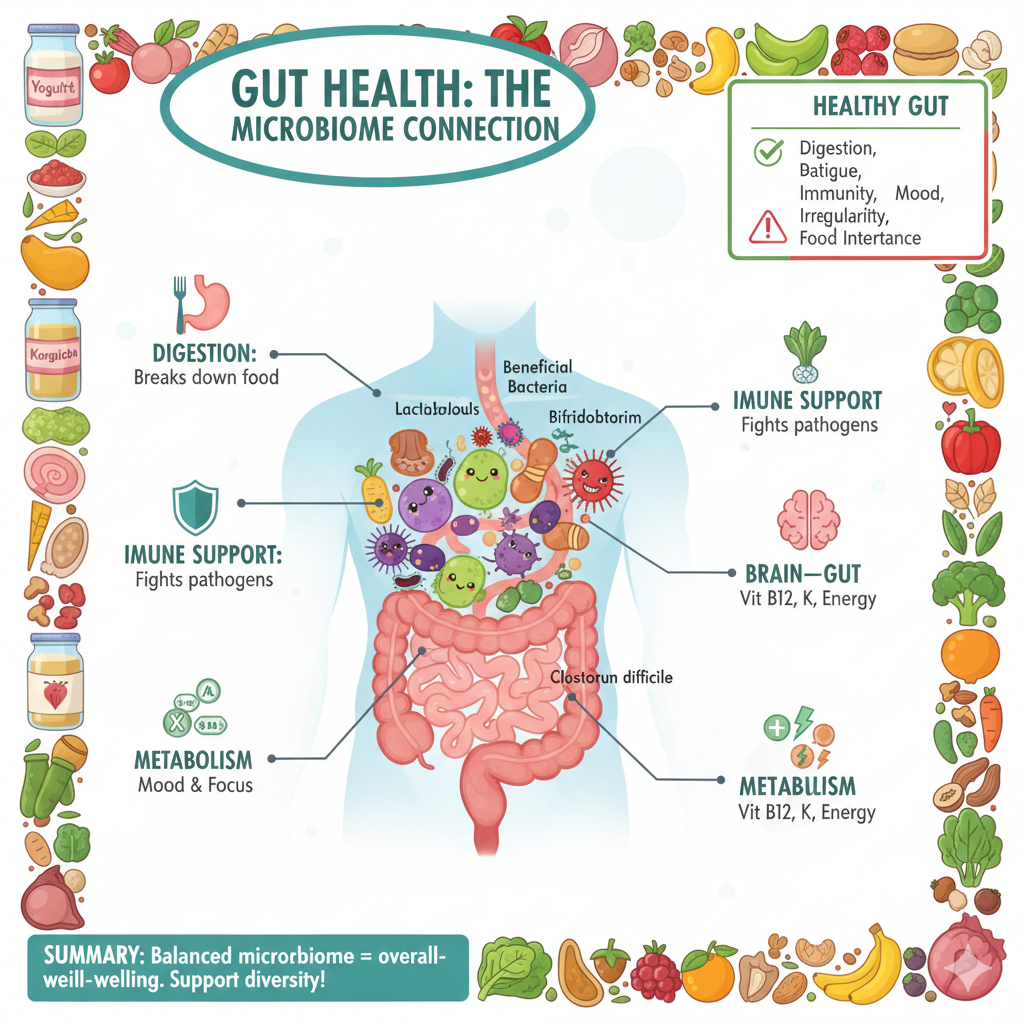
The gut microbiome plays a central role in maintaining digestive and overall health:
- Digestion: Breaks down complex carbohydrates, fiber, and proteins.
- Immune Support: Protects against harmful pathogens.
- Metabolism Regulation: Helps synthesize vitamins (B12, K) and short-chain fatty acids (SCFAs).
- Brain-Gut Connection: Influences mood and cognitive function through the gut-brain axis.
Key Facts:
- The human gut contains over 100 trillion microorganisms.
- A diverse microbiome correlates with lower inflammation and better metabolic health.
Table: Gut Microbiome vs. Gut Health Functions
| Component | Function | Example Organisms |
|---|---|---|
| Beneficial bacteria | Aid digestion, produce vitamins | Lactobacillus, Bifidobacterium |
| Pathogenic bacteria | Can cause inflammation, digestive issues | Clostridium difficile |
| Microbial diversity | Enhances resilience and immune support | Various bacterial species |
H3: Signs of Poor Gut Health
Recognizing poor gut health early helps prevent long-term complications:
- Frequent bloating, gas, or constipation
- Irregular bowel movements
- Fatigue or low energy
- Unexplained weight changes
- Food intolerances
Summary
Gut health is the state of your digestive system supported by a balanced gut microbiome. It impacts digestion, immunity, metabolism, and mental health. Maintaining microbial diversity and a proper balance between beneficial and harmful bacteria is key to overall well-being.
Mini Takeaways:
- Gut microbiome is central to digestion and immunity.
- Poor gut health shows up as digestive discomfort and low energy.
- Supporting microbial diversity is essential for long-term health.
PAA Alignment:
- Q: What is gut health?
A: Gut health is the proper functioning of the digestive system, influenced by a balanced gut microbiome that supports digestion, immunity, and overall wellness. - Q: Why is gut microbiome important?
A: It aids digestion, regulates metabolism, produces vitamins, and supports immune and mental health.
Bullets:
- Gut health = proper functioning of digestive system + balanced microbiome.
- Microbiome contains beneficial bacteria, pathogens, and diverse species.
- Signs of poor gut health include bloating, irregular bowel movements, fatigue.
- Supports immunity, digestion, metabolism, and mental health.
Also read:Healthy Lifestyle: [ 2026 ]
Key Nutrients for a Healthy Gut
Maintaining gut health requires a balanced intake of specific nutrients that support the gut microbiome, digestion, and overall immune function. These nutrients can be obtained through natural foods, supplements, or a combination of both (based on dietary guidelines and research).
: Prebiotics
Definition: Prebiotics are non-digestible fibers that serve as food for beneficial gut bacteria.
Benefits:
- Stimulate growth of Lactobacillus and Bifidobacterium
- Promote production of short-chain fatty acids (SCFAs) for colon health
- Improve mineral absorption (calcium, magnesium)
Common Sources:
- Garlic, onions, leeks
- Asparagus, bananas
- Whole grains like oats and barley
Table: Prebiotics and Their Benefits
| Prebiotic Source | Key Nutrients | Gut Health Benefit |
|---|---|---|
| Garlic | Fructooligosaccharides | Supports beneficial bacteria growth |
| Bananas | Resistant starch | Reduces gut inflammation |
| Oats | Beta-glucan | Enhances SCFA production |
Probiotics
Definition: Probiotics are live beneficial bacteria that directly support gut microbial balance.
Benefits:
- Restore microbiome after antibiotics
- Enhance digestion and nutrient absorption
- Reduce bloating, gas, and IBS symptoms
Common Sources:
- Yogurt with live cultures
- Kefir, kimchi, sauerkraut
- Miso and tempeh
Snippet-Ready List of Probiotic Foods:
- Yogurt
- Kimchi
- Kefir
- Sauerkraut
- Miso
: Dietary Fiber
Definition: Dietary fiber includes soluble and insoluble fibers that feed gut bacteria and support bowel regularity.
Benefits:
- Reduces constipation and promotes healthy stools
- Lowers cholesterol and blood sugar levels
- Supports beneficial bacteria growth
Common Sources:
- Whole grains, lentils, beans
- Fruits like apples, berries
- Vegetables such as broccoli, carrots, spinach
Table: Fiber Types and Gut Benefits
| Fiber Type | Sources | Benefit for Gut Health |
|---|---|---|
| Soluble | Oats, apples, carrots | Fermented by bacteria → SCFAs |
| Insoluble | Whole grains, vegetables | Increases stool bulk, prevents constipation |
Polyphenols and Antioxidants
Plant compounds that protect gut cells and promote beneficial bacteria.
Benefits:
- Reduce inflammation in the gut
- Support growth of Lactobacillus and Bifidobacterium
- Improve gut barrier function
Common Sources:
- Berries, grapes, cherries
- Green tea, dark chocolate
- Olive oil, nuts
Summary Box:
Key nutrients for gut health include prebiotics, probiotics, dietary fiber, and polyphenols. Together, they:
- Feed beneficial bacteria
- Support digestion and immunity
- Reduce gut inflammation and improve metabolic health
Mini Takeaways:
- Prebiotics = food for bacteria, probiotics = live bacteria
- Fiber promotes regularity and microbiome diversity
- Polyphenols reduce inflammation and support gut barrier
PAA Alignment:
- Q: What nutrients improve gut health?
A: Prebiotics, probiotics, fiber, and polyphenols support the gut microbiome and overall digestive health. - Q: Are probiotics better than prebiotics?
A: Both work together: prebiotics feed beneficial bacteria, while probiotics supply live bacteria.
Bullets:
- Prebiotics: non-digestible fibers feeding beneficial bacteria
- Probiotics: live bacteria improving microbiome balance
- Fiber: soluble and insoluble fibers support digestion and SCFA production
- Polyphenols: plant compounds reducing inflammation and supporting gut barrier
Top Foods for Gut Health
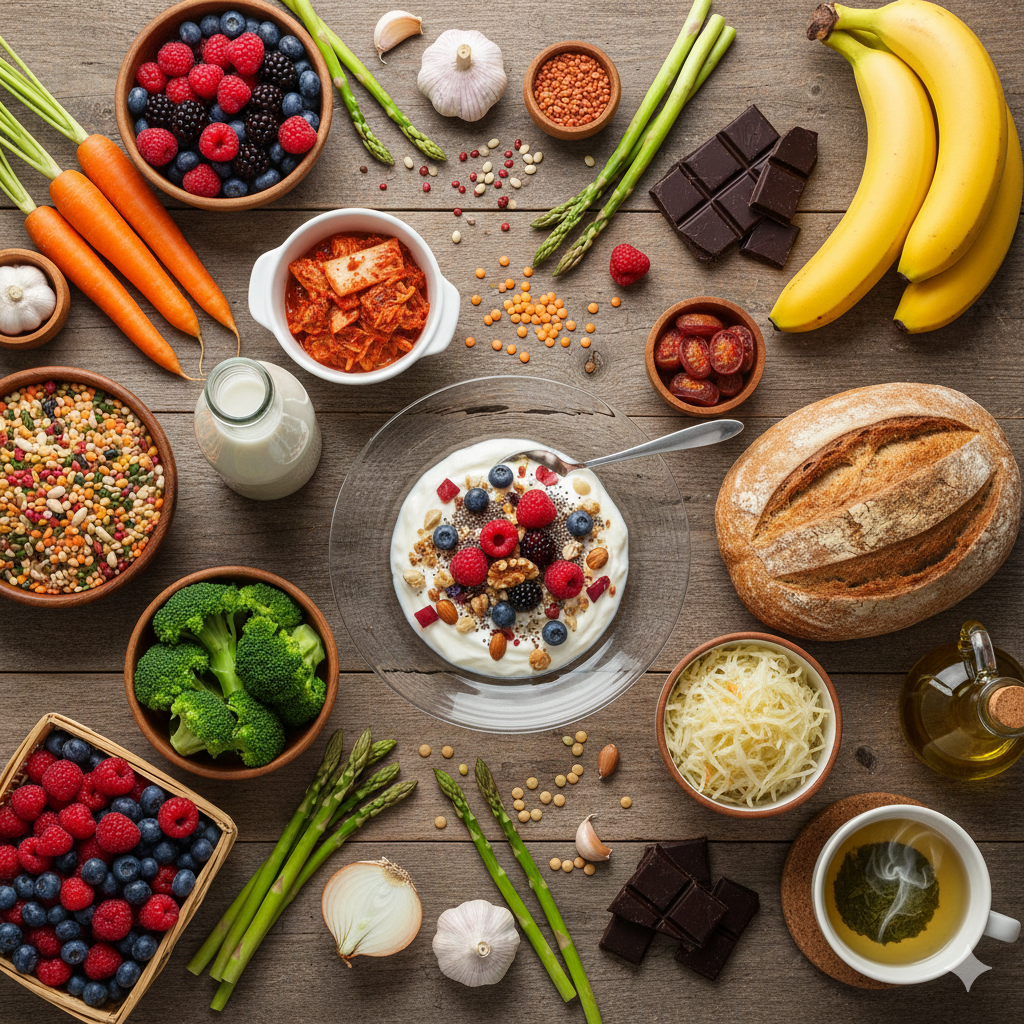
Eating the right foods is essential to support your gut microbiome, improve digestion, and boost immunity. These foods fall into categories such as fermented foods, fiber-rich foods, prebiotics, omega-3-rich foods, and polyphenol-rich foods (based on nutrition research and dietary guidelines).
H3: Fermented Foods
Definition: Fermented foods contain live beneficial bacteria that help restore and maintain a healthy gut microbiome.
Top Examples:
- Yogurt with live cultures
- Kefir
- Kimchi and sauerkraut
- Miso and tempeh
Benefits:
- Improve digestion and nutrient absorption
- Reduce gut inflammation
- Enhance microbiome diversity
Mini Table: Fermented Foods for Gut Health
| Food | Key Probiotics | Benefit for Gut Health |
|---|---|---|
| Yogurt | Lactobacillus spp. | Supports digestion and immunity |
| Kimchi | Lactobacillus kimchii | Reduces gut inflammation |
| Sauerkraut | Lactobacillus spp. | Improves microbiome diversity |
| Miso | Bacillus subtilis | Enhances nutrient absorption |
Fiber-Rich Foods
Definition: Fiber-rich foods contain soluble and insoluble fiber that feed beneficial bacteria and support bowel regularity.
Top Examples:
- Whole grains: oats, barley, brown rice
- Vegetables: broccoli, carrots, spinach
- Fruits: apples, berries, pears
- Legumes: lentils, chickpeas, beans
Benefits:
- Promote SCFA production for colon health
- Reduce constipation and improve stool quality
- Support microbiome diversity
Prebiotic Foods
Definition: Prebiotics are non-digestible fibers that specifically feed beneficial gut bacteria.
Top Examples:
- Garlic, onions, leeks
- Asparagus, Jerusalem artichoke
- Bananas, chicory root
Benefits:
- Stimulate growth of Lactobacillus and Bifidobacterium
- Enhance SCFA production
- Improve mineral absorption (calcium, magnesium)
Omega-3 Rich Foods
Definition: Omega-3 fatty acids reduce gut inflammation and support overall microbiome health.
Top Examples:
- Fatty fish: salmon, mackerel, sardines
- Flaxseeds and chia seeds
- Walnuts
Benefits:
- Anti-inflammatory effects in the gut
- Improve microbial balance
- Support heart and brain health
Polyphenol-Rich Foods
Definition: Polyphenols are plant compounds that promote beneficial bacteria and protect gut cells.
Top Examples:
- Berries: blueberries, strawberries, raspberries
- Green tea
- Dark chocolate (70%+)
- Olive oil and nuts
Benefits:
- Reduce inflammation
- Support growth of Lactobacillus and Bifidobacterium
- Improve gut barrier function
Summary
Top foods for gut health include fermented foods, fiber-rich foods, prebiotics, omega-3s, and polyphenol-rich foods. Regular consumption:
- Supports microbiome diversity
- Improves digestion and nutrient absorption
- Reduces gut inflammation and supports immunity
Mini Takeaways:
- Fermented foods supply live beneficial bacteria
- Fiber and prebiotics feed gut bacteria and produce SCFAs
- Omega-3s and polyphenols reduce inflammation and support gut health
PAA Alignment:
- Q: What are the best foods for gut health?
A: Fermented foods, fiber-rich foods, prebiotics, omega-3-rich foods, and polyphenol-rich foods support the gut microbiome and overall digestive health. - Q: How do fermented foods help gut health?
A: They introduce live probiotics that improve digestion, enhance microbiome diversity, and reduce inflammation.
Bullets:
- Fermented foods = live bacteria that improve microbiome
- Fiber-rich foods = feed beneficial bacteria, promote bowel regularity
- Prebiotic foods = non-digestible fibers that stimulate healthy bacteria
- Omega-3s = reduce gut inflammation
- Polyphenols = protect gut cells, support bacterial growth
: Benefits of Gut Health Foods
Eating gut-friendly foods provides wide-ranging benefits, supporting not just digestion but also immunity, metabolism, and even mental well-being. These benefits are primarily linked to the impact on the gut microbiome, production of short-chain fatty acids (SCFAs), and reduction of inflammation (based on nutrition research and clinical studies).
Improved Digestion
Gut health foods enhance digestion by supporting enzyme activity, balancing gut bacteria, and promoting regular bowel movements.
Key Benefits:
- Reduce bloating, gas, and constipation
- Improve nutrient absorption (vitamins and minerals)
- Enhance production of digestive enzymes
Example:
- Yogurt and kefir provide probiotics that help break down lactose, aiding digestion in lactose-sensitive individuals.
Enhanced Immunity
A healthy gut directly influences the immune system because 70% of immune cells reside in the gut-associated lymphoid tissue (GALT).
Benefits:
- Protects against infections and harmful bacteria
- Reduces systemic inflammation
- Supports production of antibodies
Table: Gut Health Foods and Immune Benefits
| Food Category | Key Components | Immune Health Benefit |
|---|---|---|
| Fermented foods | Probiotics | Enhance immune cell activity |
| Fiber-rich foods | Soluble fiber, SCFAs | Reduce inflammation and support immune cells |
| Polyphenol-rich foods | Antioxidants | Protect gut lining and immune response |
Mental Health Benefits
The gut-brain axis links gut health to mental and cognitive health. Beneficial gut bacteria produce neurotransmitters and SCFAs that influence brain function.
Benefits:
- Reduce symptoms of anxiety and depression
- Improve mood regulation
- Support cognitive function and stress resilience
Example:
- Fermented foods like kimchi and miso may increase production of GABA, a neurotransmitter that promotes relaxation.
Metabolic and Cardiovascular Support
Gut health foods can improve metabolic health and reduce risk factors for cardiovascular disease.
Benefits:
- Improve blood sugar control
- Lower cholesterol levels
- Support healthy weight management
Snippet-Ready Paragraph (45–55 words):
“Gut health foods improve digestion, enhance immunity, support mental health, and regulate metabolism. Fermented foods, fiber-rich vegetables, prebiotics, and polyphenol-rich foods feed beneficial gut bacteria, reduce inflammation, and produce SCFAs that support nutrient absorption, brain function, and cardiovascular health (based on nutrition research and dietary guidelines).”
Summary
Key Benefits of Gut Health Foods:
- Better digestion and nutrient absorption
- Stronger immunity and reduced inflammation
- Improved mental health and cognitive function
- Support for metabolic and cardiovascular health
Mini Takeaways:
- Gut microbiome is central to digestion, immunity, and mental health.
- SCFAs produced by gut bacteria provide systemic health benefits.
- Regular intake of gut-friendly foods can prevent digestive and metabolic disorders.
PAA Alignment:
- Q: What are the main benefits of gut health foods?
A: They improve digestion, strengthen immunity, support mental health, and aid metabolic function. - Q: How do gut foods affect the brain?
A: Through the gut-brain axis, beneficial bacteria produce neurotransmitters and SCFAs that influence mood and cognition.
Bullets:
- Gut foods improve digestion and nutrient absorption.
- Support immune function by reducing inflammation.
- Influence mental health via the gut-brain axis.
- Help regulate blood sugar, cholesterol, and body weight.
Foods That Harm Gut Health
Not all foods support your gut microbiome. Certain foods can disrupt bacterial balance, increase inflammation, and impair digestion. Avoiding or limiting these foods is crucial for maintaining optimal gut health (based on nutrition research and clinical observations).
Ultra-Processed Foods
Definition: Foods that undergo heavy processing with additives, preservatives, and artificial flavors.
Examples:
- Packaged snacks (chips, cookies)
- Fast food meals
- Sugary breakfast cereals
Effects on Gut Health:
- Reduce microbial diversity
- Promote growth of harmful bacteria
- Increase inflammation in the gut
Added Sugars and Artificial Sweeteners
Definition: High intake of refined sugar or sugar substitutes that alter gut microbiome composition.
Examples:
- Soda, candies, pastries
- Artificial sweeteners like aspartame and sucralose
Effects on Gut Health:
- Feed harmful bacteria and yeast
- Disrupt beneficial bacterial populations
- May increase risk of insulin resistance
Table: Sugars & Sweeteners vs Gut Effects
| Food/Sweetener | Gut Effect | Health Risk |
|---|---|---|
| Table sugar | Promotes harmful bacteria growth | Inflammation, metabolic issues |
| High-fructose corn syrup | Reduces microbial diversity | Obesity, insulin resistance |
| Artificial sweeteners | Alters microbiome composition | Digestive discomfort |
Excessive Alcohol
Definition: High alcohol consumption can damage gut lining and alter microbiome balance.
Effects:
- Increases intestinal permeability (“leaky gut”)
- Promotes harmful bacterial overgrowth
- Impairs nutrient absorption
Example:
- Chronic beer, wine, or spirit consumption can lead to bloating, diarrhea, and nutrient deficiencies.
Red and Processed Meats (in excess)
Definition: High consumption of red and processed meats may increase harmful metabolites in the gut.
Effects:
- Can promote growth of pathogenic bacteria
- Increase risk of colon inflammation
- Linked to higher levels of trimethylamine N-oxide (TMAO), affecting cardiovascular health
Snippet-Ready Paragraph (45–55 words):
“Foods that harm gut health include ultra-processed foods, added sugars, artificial sweeteners, excessive alcohol, and high intake of red or processed meats. These foods reduce beneficial bacteria, promote inflammation, and impair digestion, increasing risks of metabolic and digestive disorders (as documented by leading nutrition research and clinical studies).”
Summary
Key Foods to Limit for Gut Health:
- Ultra-processed foods (chips, fast food)
- Added sugars and artificial sweeteners
- Excessive alcohol
- Red and processed meats in large amounts
Mini Takeaways:
- Avoiding harmful foods preserves microbial diversity.
- Excess sugars and processed foods promote inflammation.
- Moderation is key; occasional indulgence is acceptable if balanced with gut-friendly foods.
PAA Alignment:
- Q: What foods should be avoided for gut health?
A: Ultra-processed foods, added sugars, artificial sweeteners, excessive alcohol, and too much red or processed meat can harm gut health. - Q: Can alcohol damage the gut?
A: Yes, excessive alcohol increases gut permeability, disrupts microbiome balance, and impairs nutrient absorption.
Bullets:
- Ultra-processed foods reduce microbial diversity and increase inflammation.
- Added sugars and sweeteners disrupt beneficial bacterial populations.
- Excess alcohol damages gut lining and microbiome.
- High red/processed meat intake can promote pathogenic bacter
How to Include Gut-Friendly Foods in Your Daily Diet
Incorporating gut-friendly foods into your daily routine ensures consistent support for your microbiome, digestion, and overall health. Small, strategic changes to meals and snacks can maximize benefits without major dietary overhauls (based on dietary guidelines and gut health research).
Sample Meal Plan for Gut Health
Table: Daily Gut-Friendly Meal Plan
| Meal | Foods Included | Gut Health Benefit |
|---|---|---|
| Breakfast | Yogurt with berries, chia seeds, oats | Probiotics, fiber, polyphenols; supports digestion and microbiome diversity |
| Mid-Morning Snack | Banana or apple slices with almond butter | Prebiotics, fiber; feeds beneficial bacteria |
| Lunch | Quinoa salad with roasted vegetables, olive oil, chickpeas | Fiber, polyphenols, prebiotics; promotes SCFA production |
| Afternoon Snack | Kefir or a handful of walnuts | Probiotics and omega-3s; reduces inflammation |
| Dinner | Grilled salmon, steamed broccoli, garlic, brown rice | Omega-3, prebiotics, fiber; supports immunity and gut barrier |
| Optional | Green tea or dark chocolate (70%+) | Polyphenols; antioxidant protection |
Tips for Beginners
- Start Slowly: Introduce probiotics and high-fiber foods gradually to prevent bloating.
- Diversify Your Diet: Include a variety of vegetables, fruits, whole grains, and fermented foods.
- Stay Hydrated: Adequate water intake supports fiber function and digestion.
- Cook Smart: Use minimal processing to preserve fiber and polyphenols.
- Consistency Over Perfection: Regular inclusion is more effective than occasional overindulgence.
: Easy Daily Habits
- Add garlic, onions, or leeks to cooking for prebiotic support.
- Include one fermented food like yogurt or kimchi daily.
- Snack on fiber-rich fruits instead of processed sweets.
- Replace refined grains with whole grains (brown rice, oats, quinoa).
- Enjoy polyphenol-rich beverages like green tea or cocoa in moderation.
Snippet-Ready Paragraph (45–55 words):
“Including gut-friendly foods daily improves digestion, microbiome diversity, and immunity. Start with fermented foods like yogurt or kefir, fiber-rich vegetables and fruits, prebiotic foods such as garlic and onions, omega-3 sources like salmon, and polyphenol-rich foods like berries or green tea. Gradual, consistent incorporation maximizes gut health benefits.”
Summary
How to Support Gut Health Daily:
- Include probiotics, prebiotics, fiber, omega-3s, and polyphenols in every meal.
- Use gradual, consistent dietary changes to minimize digestive discomfort.
- Hydrate and diversify food sources to maximize microbiome diversity.
Mini Takeaways:
- Daily gut-friendly foods improve digestion, immunity, and mental well-being.
- Small, consistent changes are more effective than drastic diets.
- Variety and hydration enhance microbiome function.
PAA Alignment:
- Q: How can I include gut-friendly foods in my diet?
A: Eat a variety of fermented foods, fiber-rich vegetables and fruits, prebiotics like garlic and onions, omega-3 sources like salmon, and polyphenol-rich foods such as berries or green tea daily. - Q: Can small dietary changes improve gut health?
A: Yes, consistent small changes like adding one fermented food per day or replacing refined grains with whole grains support microbiome diversity and overall gut health.
Bullets:
- Include fermented foods (yogurt, kefir) daily.
- Eat fiber-rich vegetables, fruits, and whole grains.
- Add prebiotic foods like garlic, onions, and leeks.
- Consume omega-3 sources (salmon, flaxseeds) and polyphenol-rich foods (berries, green tea).
- Start gradually and maintain consistency for optimal gut health.
Conclusion
Gut health foods play a critical role in supporting digestion, boosting immunity, enhancing mental well-being, and regulating metabolism. Incorporating fermented foods, fiber-rich vegetables and fruits, prebiotics, omega-3 sources, and polyphenol-rich foods into your daily diet nourishes beneficial gut bacteria, reduces inflammation, and promotes a balanced microbiome.
Key Takeaways:
- Consistency matters: Regular consumption yields long-term gut health benefits.
- Variety is essential: A diverse diet supports microbial diversity and nutrient absorption.
- Avoid harmful foods: Limit ultra-processed foods, excessive sugar, alcohol, and red or processed meats.
By following these guidelines, you can improve overall digestive health, strengthen immunity, and support mental and metabolic well-being, creating a foundation for lasting wellness (as documented by leading nutrition and medical research).
References
- Harvard Health Publishing. The gut microbiome and its role in health. Harvard Medical Schoo
- .https://hms.harvard.edu/news/gut-microbiomes-role-skeletal-health
3.Mayo Clinic. Probiotics: You Need to Know. Mayo Foundation for Medical Education and Research.