
What Are Fitness and Exercise Routines:
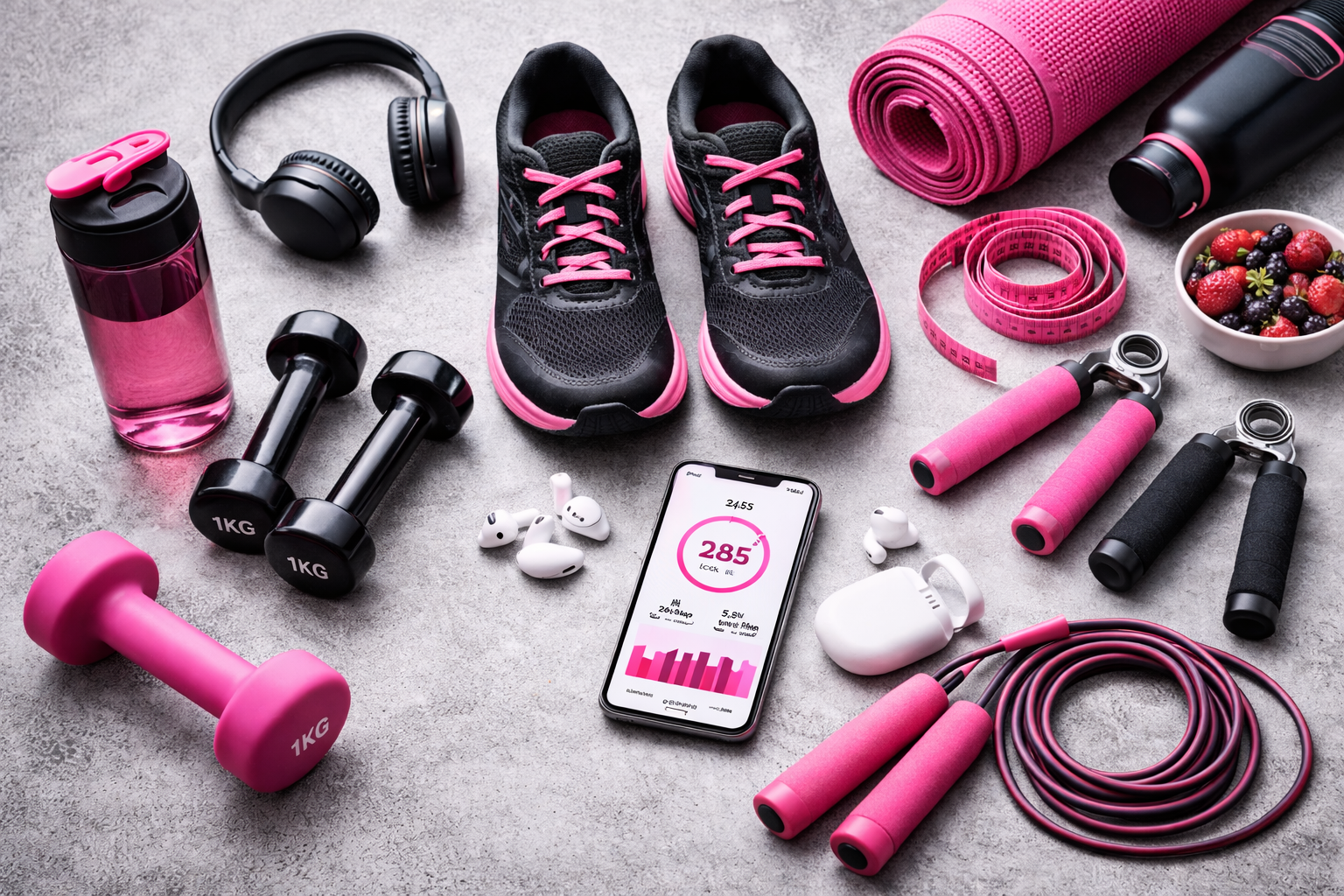
Fitness and exercise routines are structured plans of physical activity designed to improve strength, endurance, flexibility, balance, and overall health. They involve a combination of exercises targeting different muscle groups and fitness components, organized into a schedule based on individual goals, abilities, and time availability.
Regular exercise routines promote physical health by enhancing cardiovascular function, building muscular strength, supporting weight management, and improving mobility. They also benefit mental health, reducing stress, anxiety, and depression while boosting mood and cognitive function.
Structured routines provide consistency, helping individuals track progress, avoid overtraining, and maintain motivation. They can be adapted for beginners, intermediate, or advanced levels, and may include home-based workouts, gym sessions, or outdoor activities.
Ready Facts:
- Fitness routines combine different exercises to improve overall health and performance.
- They support cardiovascular, muscular, flexibility, and balance development.
- Regular exercise benefits mental health and cognitive function.
- Routines can be tailored for home, gym, or outdoor environments.
- Scheduling workouts improves consistency, motivation, and progress tracking.
Key Takeaways:
- Exercise routines are structured plans for physical and mental wellness.
- Combining various exercise types targets multiple fitness components.
- Consistency and goal-specific planning are essential for results.
Common Misconceptions:
| Misconception | Clarification |
| Exercise is only for weight loss | Fitness routines improve strength, flexibility, cardiovascular health, and mental wellbeing |
| Beginners should do intense workouts | Routines should be tailored to individual fitness levels and gradually progressed |
| Only gym workouts count | Home-based and outdoor exercises are equally effective when structured properly |
Types of Exercises:
Fitness routines include various exercise types, each targeting specific components of health, performance, and overall wellbeing. A balanced routine typically incorporates multiple types to maximize results.
Cardio Workouts
- Purpose: Improve heart and lung function, burn calories, and enhance endurance.
- Examples: Running, cycling, swimming, rowing, jump rope, HIIT (High-Intensity Interval Training).
- Benefits: Increases cardiovascular health, stamina, and metabolism; supports weight management.
Strength Training
- Purpose: Build and tone muscles, increase bone density, and improve overall strength.
- Examples: Weightlifting, resistance bands, bodyweight exercises (push-ups, squats, lunges).
- Benefits: Enhances muscular strength, joint stability, metabolism, and functional fitness.
Flexibility and Balance Exercises
- Purpose: Improve range of motion, posture, and stability.
- Examples: Yoga, Pilates, stretching routines, balance exercises.
- Benefits: Reduces injury risk, alleviates muscle tension, and improves coordination.
Mixed Routines and Circuit Training
- Purpose: Combine cardio, strength, and flexibility for full-body fitness.
- Examples: CrossFit, boot camp workouts, circuit training, functional fitness routines.
- Benefits: Efficient, time-saving workouts that improve multiple fitness components simultaneously.
Ready Facts:
- Cardio improves cardiovascular health and endurance.
- Strength training builds muscles, bones, and metabolism.
- Flexibility and balance reduce injury risk and improve posture.
- Mixed routines target multiple fitness goals in one session.
Key Takeaways:
- Effective fitness routines incorporate multiple exercise types.
- Each exercise type provides unique physical and mental benefits.
- Combining cardio, strength, and flexibility ensures a well-rounded program.
Common Misconceptions:
| Misconception | Clarification |
| Cardio alone is enough for fitness | Strength and flexibility exercises are essential for overall health |
| Strength training is only for bodybuilders | It is vital for all ages to improve strength and prevent injury |
| Stretching is optional | Flexibility and balance exercises prevent injury and improve movement quality |
Home Workouts vs Gym Workouts:
Fitness routines can be performed at home or in a gym, and each environment offers unique advantages depending on goals, resources, and personal preferences. Home workouts are convenient, cost-effective, and flexible, while gym workouts provide specialized equipment, professional guidance, and social motivation. Choosing the right environment depends on individual fitness levels, goals, and access to resources.
Home Workouts
- Convenient: no commuting needed; can exercise anytime
- Cost-effective: minimal equipment required (resistance bands, dumbbells, mats)
- Privacy: comfortable for beginners or self-conscious individuals
- Flexibility: easily adaptable routines for strength, cardio, or mobility
- Online resources: apps and video tutorials provide structured guidance
Gym Workouts
- Access to a wide range of equipment: machines, free weights, cardio stations
- Professional guidance: personal trainers and group classes
- Social motivation: workout alongside others for accountability
- Advanced options: specialized classes (HIIT, spin, CrossFit, Pilates)
- Controlled environment: consistent climate, lighting, and space for workouts
Ready Facts:
- Both home and gym workouts can effectively improve fitness if routines are consistent.
- Home workouts excel in flexibility, convenience, and cost savings.
- Gym workouts provide equipment variety, professional guidance, and social engagement.
- Mixed routines can combine home and gym sessions for optimal results.
Key Takeaways:
- Choose the workout environment based on personal goals, resources, and motivation.
- Both home and gym workouts are effective when performed consistently.
- Combining home and gym sessions maximizes flexibility, variety, and progress.
Common Misconceptions:
| Misconception | Clarification |
| Home workouts are ineffective | Properly structured routines with or without equipment can be equally effective |
| Gyms are only for bodybuilders | Gyms accommodate beginners, general fitness, and advanced training |
| You need equipment to get fit | Bodyweight exercises can improve strength, endurance, and flexibility |
Exercise Planning and Progress:
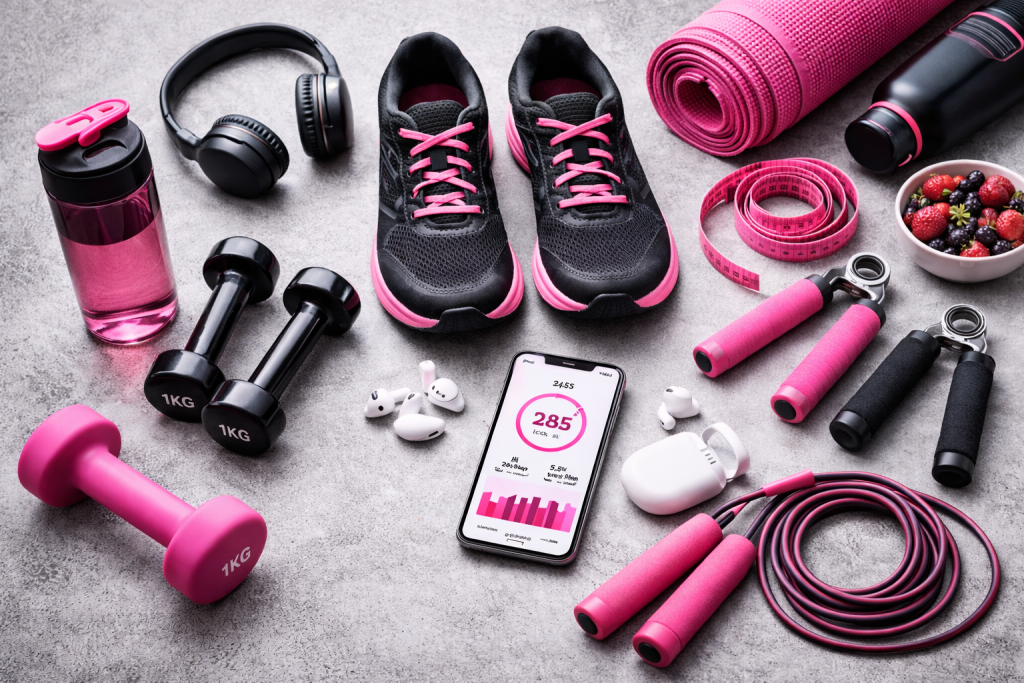
Creating a structured fitness routine is essential to achieve goals safely and effectively. Proper planning ensures balanced workouts, prevents overtraining, and tracks improvements over time. A well-designed plan considers frequency, duration, intensity, and recovery, while adjusting exercises based on progress and goals.
Planning Your Routine
- Determine your fitness goals: weight loss, muscle gain, flexibility, or endurance
- Select exercise types: cardio, strength, flexibility, and mixed routines
- Decide workout frequency: 3–6 days per week depending on intensity and recovery
- Set duration: 20–60 minutes per session, gradually increasing over time
- Include warm-up and cool-down: 5–10 minutes for injury prevention
Tracking Progress
- Keep a workout journal or use fitness apps to log exercises, sets, reps, and weights
- Measure outcomes: body weight, body composition, strength improvements, or endurance gains
- Adjust intensity: gradually increase resistance, duration, or complexity for progression
- Review weekly: analyze performance, recovery, and adherence to routine
Ready Facts:
- Structured routines prevent overtraining and promote steady progress.
- Tracking exercises and metrics improves accountability and goal achievement.
- Gradual intensity increase is key for long-term fitness improvements.
- Warm-up and cool-down reduce injury risk and improve performance.
Key Takeaways:
- Plan routines according to goals, exercise types, frequency, and duration.
- Track progress using journals or apps to monitor improvement.
- Adjust intensity and exercises to ensure continuous development.
- Include warm-up, cool-down, and recovery days for safety and effectiveness.
Common Misconceptions:
| Misconception | Clarification |
| More workouts always mean faster results | Recovery and gradual progression are crucial to prevent injury |
| Tracking progress is unnecessary | Logging workouts helps measure improvement and adjust routines |
| Only long workouts are effective | Short, consistent sessions can provide significant health benefits |
Health Benefits of Regular Exercise:
Regular exercise offers comprehensive health benefits, impacting physical, mental, and metabolic wellbeing. Cardiovascular activity strengthens the heart, improves blood circulation, and supports weight management. Strength training increases muscle mass, bone density, and functional fitness, helping with daily activities and reducing the risk of injury. Flexibility and balance exercises enhance posture, coordination, and mobility, lowering the likelihood of strains and falls.
Exercise also has significant mental health benefits. Physical activity triggers the release of endorphins and neurotransmitters like serotonin, which elevate mood, reduce stress, and combat anxiety and depression. Regular exercise can improve sleep quality, cognitive function, and overall energy levels, contributing to a healthier, more active lifestyle. Additionally, exercise helps prevent chronic diseases such as type 2 diabetes, hypertension, and heart disease, while promoting longevity.
Key Physical Benefits:
- Improves cardiovascular health and lung capacity
- Builds and maintains muscle strength and bone density
- Enhances flexibility, balance, and coordination
- Supports weight management and metabolic health
Key Mental and Cognitive Benefits:
- Reduces stress, anxiety, and depressive symptoms
- Improves mood and overall wellbeing
- Enhances cognitive function, focus, and memory
- Promotes better sleep quality and energy levels
Ready Facts:
- Regular exercise reduces the risk of chronic diseases by 20–40% (WHO).
- Strength training improves bone density and muscle mass across all age groups.
- Flexibility exercises lower injury risk and improve functional movement.
- Physical activity improves mental health through endorphin release and stress reduction.
Key Takeaways:
- Exercise benefits both physical and mental health.
- Combining cardio, strength, and flexibility provides optimal results.
- Consistency is more important than intensity for long-term health benefits.
Common Mistakes and Injury Prevention:
Many people make errors in their fitness routines that can reduce effectiveness or increase the risk of injury. Common mistakes include skipping warm-ups, using improper form, overtraining, and ignoring rest days. These errors can lead to strains, joint pain, fatigue, or burnout, preventing long-term progress. Being aware of these pitfalls and taking preventive measures ensures safer and more effective workouts.
Proper warm-up and cool-down routines prepare muscles and joints for activity and reduce the risk of strains. Maintaining correct exercise form protects joints and prevents chronic injuries, especially in strength training. Listening to your body and incorporating rest days allows recovery, preventing overtraining and supporting muscle growth. Additionally, hydration, proper nutrition, and gradual progression in intensity are critical for injury prevention and overall performance.
Common Mistakes:
- Skipping warm-up or cool-down exercises
- Using incorrect form during strength training or cardio
- Overtraining without adequate rest
- Ignoring hydration and nutrition
Injury Prevention Tips:
- Follow proper exercise technique and posture
- Gradually increase workout intensity and duration
- Include rest and recovery days in your weekly routine
- Stretch and perform mobility exercises to maintain flexibility
Ready Facts:
- Warm-up and cool-down reduce injury risk by preparing muscles and joints.
- Proper form prevents chronic injuries and improves workout effectiveness.
- Overtraining can lead to fatigue, decreased performance, and higher injury risk.
- Adequate hydration and nutrition support muscle recovery and joint health.
Key Takeaways:
- Avoid skipping warm-ups and maintain proper form.
- Rest days and gradual intensity progression are essential.
- Stretching, hydration, and nutrition help prevent injuries and support long-term fitness.
also read : Travel to Egypt: First-Time Visitor’s Complete Guide (2026).
Fitness Technology and Trends:
Fitness technology has transformed the way people plan, track, and execute their exercise routines. Wearable devices like Fitbit, Apple Watch, and Garmin allow users to monitor heart rate, calories burned, steps, and sleep patterns in real-time. These devices provide data-driven insights, helping individuals adjust workouts for better performance and recovery.
Online platforms and apps offer guided workouts, video tutorials, and AI-powered routines tailored to fitness levels, goals, and preferences. Virtual classes and streaming services allow users to access professional training at home, making fitness more convenient and accessible. AI-driven coaching, personalized recommendations, and progress tracking are shaping the future of exercise, promoting engagement and adherence.
Key Technologies and Trends:
- Wearable trackers: monitor heart rate, calories, steps, and sleep
- Fitness apps: structured workouts, progress tracking, and virtual coaching
- Online platforms: Peloton, Nike Training Club, Beachbody for guided routines
- AI-powered personalization: custom exercise recommendations and recovery alerts
- Virtual classes and streaming workouts for home-based training
Ready Facts:
- Wearables help track metrics like heart rate, calories burned, and sleep.
- Online and app-based workouts allow flexible access to professional guidance.
- AI and virtual coaching improve adherence, motivation, and progression.
- Fitness technology supports home, gym, and hybrid workout routines.
Key Takeaways:
- Technology enhances tracking, personalization, and convenience in workouts.
- AI and wearable devices provide real-time insights for optimal performance.
- Online platforms make professional training accessible to everyone.
Sample Workouts for Different Goals:
Fitness routines can be tailored to specific goals such as weight loss, muscle building, flexibility, or overall full-body fitness. Customizing workouts ensures that time and effort are optimized for the desired outcomes. Beginners should start with moderate intensity, gradually increasing difficulty as strength and endurance improve.
Weight Loss Routine
- Cardio: 30–45 minutes of running, cycling, or HIIT 3–5 times per week
- Strength: Bodyweight exercises or light weights 2–3 times per week
- Flexibility: Stretching or yoga sessions 10–15 minutes after workouts
- Focus: High-calorie burn, metabolic stimulation, and consistency
Muscle Building Routine
- Strength: Compound exercises (squats, deadlifts, bench press) 3–5 times per week
- Reps/Sets: 3–4 sets of 8–12 reps per exercise
- Cardio: Low-intensity cardio 2–3 times per week to maintain cardiovascular health
- Recovery: Rest days and proper nutrition to support muscle growth
Flexibility and Mobility Routine
- Yoga or Pilates: 30–60 minutes, 3–5 times per week
- Dynamic stretching before workouts, static stretching after workouts
- Balance exercises: single-leg stands, stability ball exercises
- Focus: Increase range of motion, improve posture, reduce injury risk
Full-Body Workout Routine
- Combination of cardio, strength, and flexibility exercises
- Circuit training: 30–45 minutes alternating between muscle groups
- Frequency: 4–5 days per week
- Focus: Overall fitness, endurance, and body composition
Ready Facts:
- Weight loss routines focus on calorie burn and high-intensity workouts.
- Muscle building emphasizes strength training, compound movements, and recovery.
- Flexibility routines enhance mobility, balance, and posture.
- Full-body workouts improve cardiovascular, muscular, and functional fitness simultaneously.
Key Takeaways:
- Fitness routines should match individual goals for effectiveness.
- Combining cardio, strength, and flexibility ensures comprehensive fitness.
- Gradual progression and recovery are crucial for all routines.
Conclusion:
Fitness and exercise routines are essential for maintaining physical health, mental wellbeing, and overall longevity. Structured routines that combine cardio, strength, flexibility, and balance exercises provide comprehensive benefits, including improved cardiovascular health, increased muscle strength, enhanced mobility, and stress reduction.
Whether performed at home, in a gym, or outdoors, consistency, proper form, and gradual progression are key to achieving results safely. Modern fitness technology, wearable devices, AI-guided workouts, and online platforms make it easier than ever to plan, track, and optimize routines. Tailoring workouts to individual goals—whether weight loss, muscle building, flexibility, or full-body fitness—ensures maximum effectiveness and sustainable progress.
Frequently Asked Questions (FAQs)
What are the main types of exercises for fitness routines?
Fitness routines typically include cardio (running, cycling, HIIT), strength training (weights, bodyweight), flexibility and balance exercises (yoga, Pilates), and mixed routines like circuit training.
How often should I exercise per week?
For general fitness, the WHO recommends at least 150 minutes of moderate-intensity or 75 minutes of vigorous-intensity exercise per week, combined with strength training 2–3 times weekly.
Can I build muscle without going to the gym?
Yes. Bodyweight exercises, resistance bands, and home equipment can effectively build muscle when performed consistently with proper form and progression.
What are the benefits of regular exercise?
Exercise improves cardiovascular health, muscle strength, flexibility, balance, mental health, sleep quality, and reduces the risk of chronic diseases.
How do I prevent injuries while working out?
Always warm up and cool down, maintain proper form, progress gradually, include rest days, and stay hydrated. Stretching and mobility exercises also reduce injury risk.
Which fitness technology or apps are recommended?
Popular options include Fitbit, Apple Watch, Garmin, Peloton, Nike Training Club, and Beachbody. Many apps provide AI-guided routines, tracking, and virtual coaching.
Can home workouts be as effective as gym workouts?
Yes. Home workouts can match gym effectiveness when exercises are structured, consistent, and progressively challenging.
References:
- World Health Organization (WHO). Physical Activity Guidelines. https://www.who.int/news-room/fact-sheets/detail/physical-activity
- https://www.mayoclinic.org/healthy-lifestyle/fitness/in-depth/exercise/art-20048389