
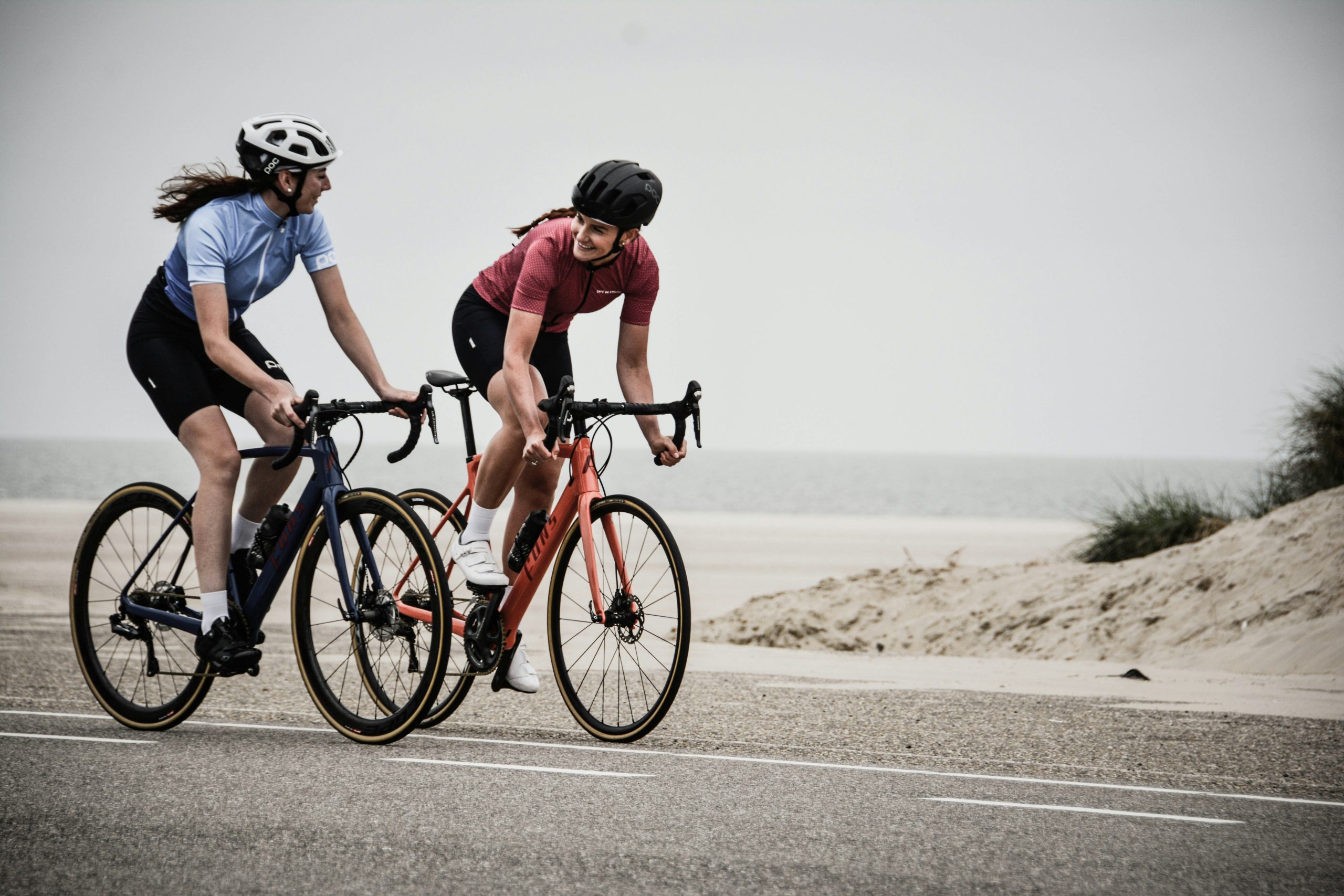
Cycling for beginners guide starts with understanding that cycling is a physical activity where a person rides a bicycle for transportation, fitness, recreation, or sport. It involves pedaling to move the bike forward while maintaining balance, steering, and speed control. According to widely accepted fitness standards, cycling is a low-impact aerobic exercise suitable for all age groups, including beginners.
definition
Cycling is a low-impact aerobic activity that improves cardiovascular fitness, muscle strength, and overall mobility by riding a bicycle on roads, tracks, or trails.
Why Cycling Is Ideal for Beginners
Cycling is commonly recommended for beginners because it combines accessibility, safety, and scalability. Intensity, distance, and terrain can be adjusted easily based on fitness level.
Beginner-relevant benefits:
- Low stress on joints compared to running
- Easy to control pace and effort
- Suitable for gradual fitness progression
- Can be done indoors or outdoors
- Supports both health and daily mobility
Health Benefits of Cycling for Beginners
Based on observed exercise and public health guidelines, regular cycling can help beginners achieve measurable health improvements.
Primary benefits:
- Improves heart and lung function
- Builds leg, core, and lower-body strength
- Supports weight management
- Enhances balance and coordination
- Reduces stress and improves mental well-being
Is Cycling Safe for Beginners?
Cycling is considered safe for beginners when basic safety practices are followed. Using proper gear, riding in controlled environments, and starting with short sessions significantly reduces risk.
Beginner safety conditions:
- Properly fitted bicycle
- Certified helmet
- Low-traffic or dedicated cycling areas
- Gradual increase in distance and time
Summary
Cycling for beginners is a low-impact, adaptable activity that supports fitness, health, and confidence-building. It is easy to start, scalable in intensity, and suitable for long-term consistency.
Key Insights
- Cycling is a beginner-friendly aerobic exercise
- It improves fitness without excessive joint strain
- Beginners can control speed, distance, and effort
- Safety and gradual progression are essential
Pros and Cons for Beginners
Pros
- Low injury risk
- Affordable entry
- Flexible intensity
- Suitable for all fitness levels
Cons
- Requires basic safety awareness
- Weather-dependent for outdoor cycling
- Initial bike setup may be confusing
Types of Bicycles Explained for Beginners
Choosing the right bicycle is one of the most important decisions for beginners. Different bike types are designed for specific terrains, riding styles, and comfort levels. Understanding these differences helps beginners start safely and progress efficiently.
Also read NLPadel: Ultimate Guide to Benefits, Training & Success Stories
Road Bikes
Road bikes are designed for smooth, paved surfaces and longer-distance riding. They are lightweight and built for speed and efficiency.
Key characteristics:
- Thin, smooth tires
- Drop handlebars
- Lightweight frame
- Forward-leaning riding position
Best for: fitness riding on roads, commuting on smooth surfaces
Beginner note: Less forgiving on rough roads and uneven surfaces
Mountain Bikes
Mountain bikes are built for off-road trails and uneven terrain. They prioritize control and durability over speed.
Key characteristics:
- Wide, knobby tires
- Flat handlebars
- Suspension (front or full)
- Upright riding position
Best for: trails, rough roads, beginners seeking stability
Beginner note: Slower on pavement but very forgiving and stable
Hybrid Bikes
Hybrid bikes combine features of road and mountain bikes, making them one of the most recommended options for beginners.
Key characteristics:
- Medium-width tires
- Flat handlebars
- Comfortable, upright posture
- Versatile design
Best for: beginners, city riding, casual fitness
Beginner note: Balanced option for most new cyclists
Beginner Bike Comparison Table
| Bike Type | Terrain | Comfort Level | Speed | Beginner-Friendly |
|---|---|---|---|---|
| Road Bike | Paved roads | Medium | High | Moderate |
| Mountain Bike | Trails / rough | High | Low | High |
| Hybrid Bike | Mixed surfaces | High | Medium | Very High |
How Beginners Should Choose a Bike
For most beginners, comfort, control, and versatility matter more than speed.
Beginner selection guidelines:
- Choose comfort over performance
- Match the bike to where you’ll ride most
- Ensure correct frame size
- Test ride if possible
Summary
Beginners should choose a bicycle based on terrain, comfort, and riding goals. Hybrid and mountain bikes are generally the most beginner-friendly due to stability and ease of control.
Key Insights
- There is no “one-size-fits-all” bike for beginners
- Hybrid bikes suit most new cyclists
- Road bikes favor speed; mountain bikes favor control
- Comfort and fit are more important than performance
Pros and Cons (Beginner Perspective)
Pros
- Multiple bike options for different needs
- Beginner-friendly designs available
- Easy to upgrade later
Cons
- Wrong bike choice can slow progress
- Performance bikes may feel uncomfortable initially
Essential Cycling Gear and Safety Equipment
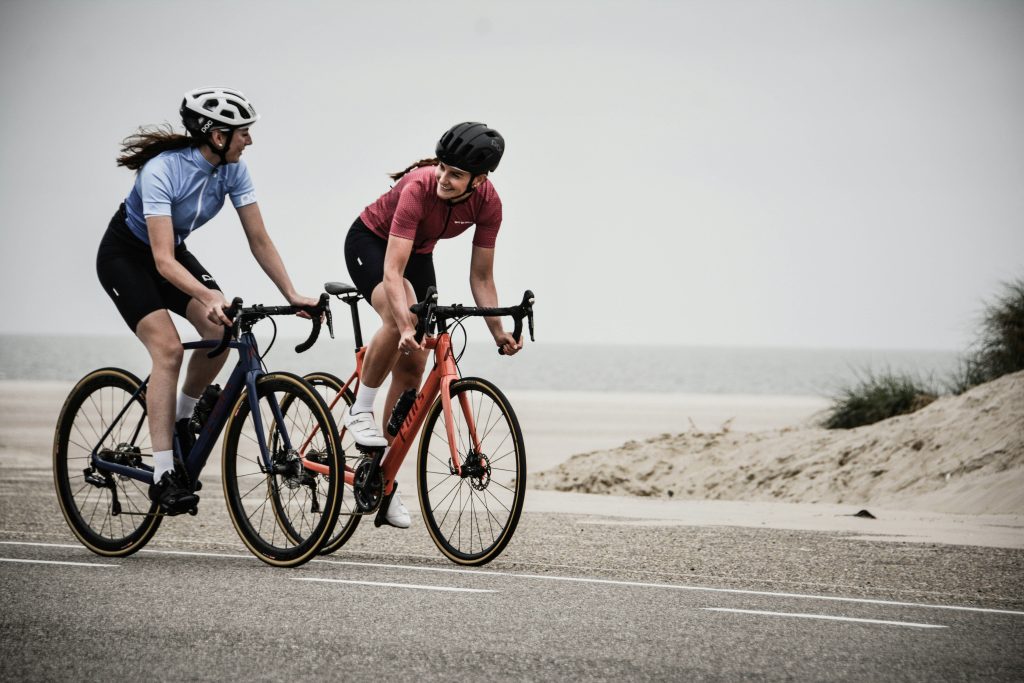
Using the right cycling gear improves safety, comfort, and confidence, especially for beginners. While cycling does not require extensive equipment, certain essentials are considered standard for safe riding.
Helmet (Mandatory for Beginners)
A helmet is the most important piece of cycling safety equipment. Certified helmets are designed to reduce head injury risk during falls or collisions.
Beginner requirements:
- Proper fit (snug, level, no movement)
- Certified safety standards (CPSC, EN 1078)
- Secure chin strap
Comfortable Clothing
Cycling-specific clothing improves comfort, especially during longer rides.
Recommended basics:
- Breathable, moisture-wicking top
- Padded cycling shorts or comfortable pants
- Weather-appropriate layers
Beginner note: Specialized cycling clothing is helpful but not mandatory at the start.
Footwear
Proper footwear improves pedal control and efficiency.
Options for beginners:
- Athletic shoes with firm soles
- Flat pedals (recommended initially)
Beginner note: Clipless pedals are not required for beginners.
Visibility and Safety Accessories
Being visible reduces accident risk, especially in low-light conditions.
Essential accessories:
- Front white light
- Rear red light
- Reflectors
- Bell or horn
Basic Bike Accessories
These items help beginners handle common situations.
Must-have tools:
- Bike lock
- Tire pump
- Spare tube or patch kit
- Water bottle and holder
Beginner Gear Checklist Table
| Gear Item | Purpose | Essential for Beginners |
|---|---|---|
| Helmet | Head protection | Yes |
| Lights | Visibility & safety | Yes |
| Lock | Theft prevention | Yes |
| Pump | Tire pressure maintenance | Yes |
| Cycling clothing | Comfort | Optional |
| Repair kit | Flat tire fixes | Recommended |
Summary Box
Beginners should prioritize safety and visibility over performance gear. A helmet, lights, and basic accessories are essential for safe and confident cycling.
Key Takeaways
- A certified helmet is non-negotiable
- Visibility equipment reduces risk
- Comfort-focused gear supports consistency
- Advanced gear is not required initially
How to Set Up Your Bike Correctly
Proper bike setup is essential for comfort, safety, and efficiency, especially for beginners. An incorrectly adjusted bike can lead to discomfort, poor control, and avoidable injuries. Basic setup adjustments can significantly improve the riding experience.
Adjusting the Saddle Height
Saddle height affects pedaling efficiency and knee safety.
Beginner setup guideline:
- When seated, your leg should be slightly bent at the bottom of the pedal stroke
- Hips should not rock while pedaling
Why it matters:
Too low causes knee strain; too high reduces control.
Saddle Position (Forward and Back)
The saddle should be positioned so weight is balanced and pedaling feels natural.
Basic check:
- When pedals are horizontal, your front knee should align roughly over the pedal axle
Handlebar Height and Reach
Handlebars control posture and steering.
Beginner-friendly setup:
- Handlebars slightly level with or higher than the saddle
- Comfortable reach without locking elbows
Beginner note: Upright posture improves control and reduces back strain.
Brake and Gear Lever Position
Controls should be easy to reach without changing hand position.
Setup principles:
- Fingers should comfortably reach brake levers
- Shifting should feel smooth and natural
Tire Pressure Check
Correct tire pressure improves grip and reduces effort.
Beginner guideline:
- Road bikes: higher pressure
- Mountain & hybrid bikes: moderate pressure
(Always follow the pressure range printed on the tire sidewall.)
Quick Bike Setup Checklist
| Setup Area | Beginner Recommendation |
|---|---|
| Saddle height | Slight knee bend at bottom of pedal |
| Saddle position | Balanced, knee aligned with pedal |
| Handlebars | Upright and comfortable |
| Controls | Easy reach, smooth operation |
| Tire pressure | Within manufacturer range |
Summary
Correct bike setup improves comfort, control, and injury prevention. Beginners should focus on saddle height, handlebar position, and easy access to brakes and gears.
Key Insights
- Proper fit matters more than bike type
- Small adjustments make a big difference
- Comfort and control come before speed
- Regular checks keep the bike safe to ride
Common Beginner Mistakes
- Riding with the saddle too low
- Overreaching to handlebars
- Ignoring tire pressure
- Not adjusting controls after purchase
Basic Cycling Techniques Every Beginner Must Know
In this cycling for beginners guide, learning correct cycling techniques helps beginners ride more safely, efficiently, and confidently. These fundamental cycling techniques reduce fatigue, improve control, and prevent common riding errors for new cyclists.
Proper Riding Posture
Correct posture improves balance and reduces strain.
Beginner posture basics:
- Relax shoulders and arms
- Keep elbows slightly bent
- Maintain a neutral spine
- Look ahead, not down
Why it matters:
Good posture improves bike control and reduces neck, back, and wrist discomfort.
Pedaling Technique
Efficient pedaling conserves energy and supports consistency.
Beginner guidance:
- Pedal smoothly in circular motion
- Maintain steady rhythm rather than pushing hard
- Avoid mashing pedals at low cadence
Key term (definition-ready):
Cadence is the number of pedal revolutions per minute (RPM).
Gear Shifting Basics
Using gears correctly makes riding easier and safer.
Beginner gear rules:
- Shift before hills, not during
- Use easier gears for climbing
- Avoid cross-chaining (extreme gear combinations)
Braking Technique
Proper braking improves control and stopping safety.
Beginner braking rules:
- Use both front and rear brakes
- Apply brakes gradually, not suddenly
- Shift weight slightly backward when stopping
Turning and Steering
Controlled turns reduce fall risk.
Beginner turning tips:
- Slow down before turning
- Look through the turn
- Lean the bike gently, not the body
Summary
Basic cycling techniques—posture, pedaling, shifting, braking, and turning—form the foundation for safe and efficient riding for beginners.
Key Insights
- Relaxed posture improves control
- Smooth pedaling reduces fatigue
- Proper gear use prevents strain
- Controlled braking enhances safety
Pros and Cons for Beginners
Pros
- Techniques are easy to learn
- Immediate improvement in comfort and confidence
Cons
- Requires conscious practice initially
- Poor habits can form without guidance
Common Beginner Mistakes
- Pedaling too hard in high gears
- Braking abruptly with one brake
- Looking down instead of ahead
- Shifting gears too late
Beginner Cycling Training Plan
A structured training plan helps beginners build endurance, confidence, and consistency without overexertion. The goal at this stage is not speed or distance, but developing a sustainable cycling habit.

How Often Should Beginners Cycle?
Most beginners respond best to short, regular rides with adequate rest.
General guideline:
- 3–4 rides per week
- Rest or light activity on non-cycling days
(Based on standard beginner fitness progression principles.)
How Long Should Each Ride Be?
Ride duration should increase gradually to avoid fatigue or injury.
Beginner duration range:
- Week 1–2: 15–30 minutes per ride
- Week 3–4: 30–45 minutes per ride
Intensity should allow you to hold a conversation while riding.
Sample Weekly Beginner Cycling Plan
| Day | Activity |
|---|---|
| Day 1 | Easy ride (20–30 minutes) |
| Day 2 | Rest or light walking |
| Day 3 | Easy ride (20–30 minutes) |
| Day 4 | Rest |
| Day 5 | Moderate ride (30–40 minutes) |
| Day 6 | Optional easy ride or rest |
| Day 7 | Rest |
Warm-Up and Cool-Down
Warming up and cooling down reduces injury risk and improves recovery.
Beginner best practices:
- Start each ride at an easy pace for 5 minutes
- End each ride with slow pedaling for 5 minutes
- Light stretching after riding
How Beginners Should Measure Progress
Progress should be tracked by consistency and comfort, not speed.
Good beginner indicators:
- Longer rides feel easier
- Reduced fatigue after cycling
- Improved balance and control
Summary
A beginner cycling plan focuses on short, regular rides with gradual progression. Consistency and recovery matter more than intensity.
Key Insights
- Cycle 3–4 times per week
- Start with short, easy rides
- Increase time gradually
- Rest days are essential
Pros and Cons for Beginners
Pros
- Reduces injury risk
- Builds sustainable habits
- Easy to adjust
Cons
- Progress may feel slow initially
- Requires patience and consistency
Common Beginner Mistakes
- Riding too long too soon
- Skipping rest days
- Focusing on speed instead of form
Cycling Safety Rules and Road Awareness
In this cycling for beginners guide, cycling safety is essential for beginners, especially when riding on public roads or shared paths. Understanding basic safety rules and road awareness reduces accident risk and builds confidence for new cyclists.
Basic Cycling Safety Rules
Following standard cycling safety practices helps beginners ride responsibly and predictably.
Core safety rules:
- Always wear a certified helmet
- Obey traffic signals and road signs
- Ride in the same direction as traffic
- Use hand signals when turning or stopping
- Stay visible at all times
(Based on widely accepted road safety guidelines.)
Road Positioning for Beginners
Correct road positioning improves visibility and reaction time.
Beginner positioning tips:
- Ride in a straight, predictable line
- Avoid riding too close to parked cars
- Use bike lanes where available
- Maintain a safe distance from curbs
Awareness of Surroundings
Situational awareness helps beginners anticipate hazards.
What beginners should watch for:
- Vehicles entering or exiting roads
- Pedestrians and other cyclists
- Potholes, debris, and wet surfaces
- Sudden stops or turns by others
Riding in Traffic vs Dedicated Paths
Beginners should start in low-risk environments.
Beginner recommendations:
- Start on bike paths, parks, or quiet streets
- Avoid heavy traffic initially
- Gradually progress to busier roads as confidence improves
Night and Low-Light Safety
Visibility becomes critical in low-light conditions.
Safety essentials:
- Front white light and rear red light
- Reflective clothing or accessories
- Reduced speed and increased caution
Summary
Cycling safety for beginners depends on visibility, predictability, and awareness. Following traffic rules and choosing safe environments reduces risk and builds long-term confidence.
Key Insights
- Safety gear is essential
- Predictable riding prevents accidents
- Awareness reduces unexpected hazards
- Start in low-traffic environments
Pros and Cons for Beginners
Pros
- Safety rules are easy to learn
- Awareness improves quickly with practice
Cons
- Traffic environments may feel intimidating
- Requires consistent attention
Common Beginner Mistakes
- Ignoring hand signals
- Riding unpredictably
- Underestimating traffic risks
- Poor visibility in low light
Conclusion
Cycling for beginners is best approached with a focus on safety, consistency, and gradual progression. By choosing the right bike, using essential safety gear, learning basic techniques, and following a beginner-friendly training plan, new cyclists can build confidence and fitness without unnecessary risk. Cycling is a scalable, low-impact activity that supports long-term health, mobility, and sustainable exercise habits when done correctly.
Frequently Asked Questions (FAQs)
1. Is cycling good for beginners with no fitness background?
Yes. Cycling is a low-impact aerobic activity that allows beginners to control pace and intensity, making it suitable even for those with limited fitness experience.
2. How long should a beginner cycle each day?
Beginners should start with 15–30 minutes per ride and gradually increase duration as comfort and endurance improve.
3. What type of bike is best for beginners?
Hybrid bikes and mountain bikes are generally best for beginners due to their comfort, stability, and ease of control.
4. How often should beginners cycle per week?
Most beginners benefit from cycling 3–4 times per week, with rest days in between to support recovery.
5. Do beginners need special cycling gear?
A helmet and visibility equipment are essential. Specialized cycling clothing is optional and can be added later for comfort.
6. Is cycling safe on roads for beginners?
Cycling can be safe on roads if traffic rules are followed, visibility is maintained, and beginners start in low-traffic areas before progressing.
7. Can cycling help with weight loss for beginners?
Regular cycling can support weight management when combined with consistent activity and balanced nutrition, according to general fitness guidelines.