
Automatic car wash machines provide operational efficiency and scalability, but they also require capital investment and technical management. A balanced evaluation of benefits and limitations is necessary before installation or business expansion.
Benefits of Automatic Car Wash Machines
Automatic systems are engineered for consistent performance and high processing capacity.
Operational Advantages:
- High vehicle throughput capacity
- Reduced labor dependency
- Standardized cleaning quality
- Faster wash cycles (typically 3–10 minutes per vehicle)
- Integrated water recycling systems
- Designed for continuous commercial operation
Business Advantages:
- Scalable revenue structure
- Membership and subscription income models
- Lower variability compared to manual washing
- Integration with POS and digital payment systems
Limitations of Automatic Car Wash Machines
While efficient, these systems require structured oversight and maintenance planning.
Operational Limitations:
- High upfront capital investment
- Dependence on stable electricity and water supply
- Mechanical wear of pumps, brushes, and nozzles
- Ongoing maintenance requirements
Risk Considerations:
- Improper calibration may affect vehicle surfaces
- Equipment downtime reduces revenue
- Profitability is influenced by location and traffic volume
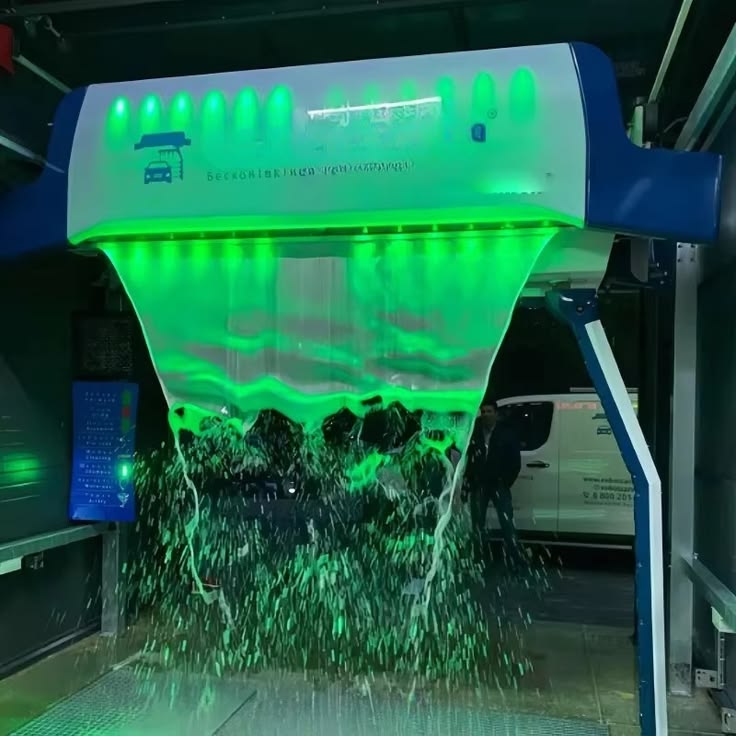
Advantages vs Disadvantages Overview
| Factor | Advantages | Disadvantages |
|---|---|---|
| Efficiency | Fast wash cycles | Requires reliable utilities |
| Labor | Minimal workforce needed | Technical maintenance required |
| Revenue | High-volume income potential | Capital-intensive startup |
| Consistency | Standardized cleaning results | Mechanical failure risk |
Summary
Automatic car wash machines deliver speed, consistency, and scalable business opportunities. However, they require significant investment, regular maintenance, and careful operational management to ensure long-term sustainability.
Key Points
- Automation increases efficiency and throughput.
- Investment planning is critical for profitability.
- Routine servicing prevents costly operational disruptions.
Environmental Impact and Water Usage
Automatic car wash machines use a significant amount of water, but modern systems are designed to minimize environmental impact through efficient recycling and filtration. Each wash typically consumes between 30 to 70 gallons of water, depending on the system type, size, and cleaning cycle.
also read Privacy Policy
Water Recycling Systems:
- Collect used wash water
- Filter out dirt and debris
- Reuse for pre-soak and rinse cycles
These systems can reduce freshwater usage by up to 50–70%, supporting environmental compliance and lowering operational costs.
Energy Consumption:
- Electricity usage ranges from 3 to 10 kWh per vehicle, depending on pumps, dryers, and automation systems.
- Energy-efficient motors and timers optimize power consumption.
Environmental Regulations:
Automatic car wash businesses are often required to comply with local water discharge and recycling standards. Proper management ensures reduced environmental impact while maintaining cleaning efficiency.
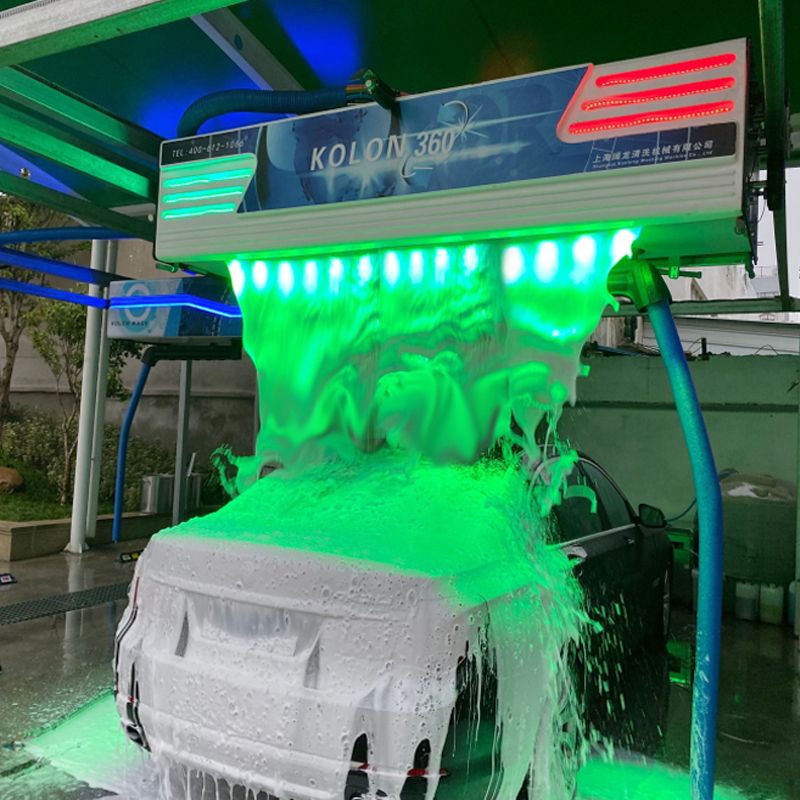
Summary :
Automatic car wash machines reduce environmental impact through water recycling, filtration, and energy-efficient operation. Compliance with local regulations ensures sustainability and cost savings.
Key Points:
- Water consumption is optimized through recycling systems.
- Electricity usage is significant but can be minimized with energy-efficient components.
- Compliance with environmental regulations is essential.
Common Misconceptions:
- Automatic car washes do not waste more water than manual washes if recycling systems are used.
- Energy use is often overestimated; modern systems optimize electricity consumption.
Safety and Maintenance Requirements
Automatic car wash machines require regular maintenance and adherence to safety standards to ensure smooth operation and protect both vehicles and operators. Proper upkeep reduces downtime, prevents accidents, and extends equipment lifespan.
Routine Maintenance Tasks:
- Inspect and clean nozzles, brushes, and rollers
- Check high-pressure pumps and water lines for leaks
- Service conveyor belts and motors
- Refill and calibrate detergents and cleaning chemicals
- Test control panels and PLC automation systems
Safety Standards:
- Ensure proper grounding and electrical safety for all equipment
- Install emergency stop switches accessible to operators
- Train staff on safe handling of chemicals and machinery
- Maintain clear signage and operational instructions
Compliance Requirements:
- Follow local occupational safety regulations
- Adhere to environmental discharge and water recycling laws
- Document maintenance schedules and inspections
Summary :
Regular maintenance and strict safety protocols are essential for reliable and safe operation of automatic car wash machines. Compliance with standards ensures longevity, efficiency, and reduced operational risk.
Key Points:
- Routine inspection and servicing prevent costly breakdowns
- Safety measures protect staff and customers
- Adherence to regulations ensures legal compliance
Common Misconceptions:
- Automation eliminates the need for regular maintenance—false
- Safety hazards are minimal without proper protocols—false
Conclusion, FAQs, and References
Automatic car wash machines are advanced mechanized systems that provide efficient, standardized, and high-throughput vehicle cleaning. They integrate mechanical, hydraulic, and electronic components to deliver fast, consistent results while reducing labor costs. Modern systems incorporate water recycling, energy-efficient motors, and automation to improve sustainability and profitability. Successful operation depends on careful investment planning, proper maintenance, and compliance with safety and environmental regulations.
FAQs
Q1: What is an automatic car wash machine?
A1: An automatic car wash machine is a mechanized system that cleans vehicles using programmed wash cycles, high-pressure water, detergents, and drying systems, reducing the need for manual labor.
Q2: How does an automatic car wash work?
A2: Vehicles pass through stages including pre-soak, high-pressure wash, foam or brush cleaning, rinse, and drying. Sensors and PLC automation control timing, pressure, and chemical dosing.
Q3: What types of automatic car wash machines are available?
A3: Common types include in-bay automatic, tunnel, touchless, soft-touch, and hybrid systems. Each type varies in vehicle movement method, throughput, and cleaning technique.
Q4: How much water does an automatic car wash use?
A4: Modern systems use 30–70 gallons per vehicle, depending on type and cycle, often reduced with water recycling systems.
Q5: Are automatic car washes profitable?
A5: Profitability depends on location, traffic volume, pricing strategy, and operational efficiency. Proper planning can yield positive ROI within 1.5–3 years.
Q6: What maintenance is required for automatic car wash machines?
A6: Routine tasks include inspecting nozzles, brushes, pumps, conveyors, chemical calibration, and testing PLC systems. Regular maintenance prevents downtime and ensures safety.
Q7: Do automatic car washes damage vehicles?
A7: Properly maintained machines with correctly calibrated pressure and brushes are safe. Touchless systems further reduce risk by avoiding physical contact.
References: