
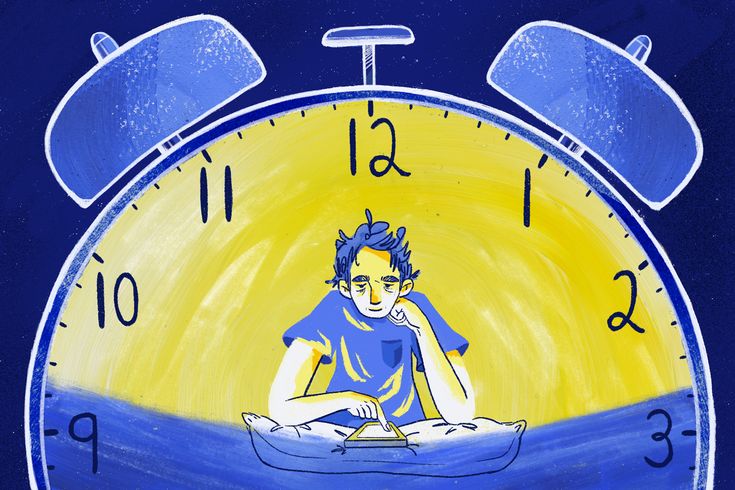
Sleep deprivation is a health condition that occurs when an individual consistently gets less sleep than the body requires for optimal physical, cognitive, and emotional functioning. It can result from reduced sleep duration, poor sleep quality, or repeated sleep disruption. According to established sleep medicine standards, insufficient sleep impairs normal biological and neurological processes.
How Much Sleep Is Considered Insufficient
Sleep needs vary by age, but falling below recommended sleep duration on a regular basis is clinically considered sleep deprivation. Even a shortfall of 1–2 hours per night can accumulate into sleep debt, leading to measurable health effects.
Recommended Sleep Duration by Age
| Age Group | Recommended Sleep (Hours per 24 hours) |
| Infants (4–12 months) | 12–16 hours |
| Children (1–12 years) | 9–12 hours |
| Teenagers (13–18 years) | 8–10 hours |
| Adults (18–64 years) | 7–9 hours |
| Older adults (65+) | 7–8 hours |
(Based on guidelines from leading sleep health organizations)
Acute vs Chronic Sleep Deprivation
- Acute sleep deprivation occurs after one or several nights of inadequate sleep and causes temporary cognitive and physical impairment.
- Chronic sleep deprivation develops when insufficient sleep persists for weeks or months, significantly increasing the risk of long-term health conditions.
Summary Box: Sleep Deprivation at a Glance
- A medical and public health condition
- Caused by insufficient sleep duration or quality
- Can be short-term (acute) or long-term (chronic)
- Affects brain function, metabolism, immunity, and mental health
Key Takeaways
- It is not limited to total sleeplessness; partial sleep loss also qualifies.
- Regularly sleeping below recommended hours leads to cumulative health risks.
- Chronic sleep deprivation has more severe and lasting consequences than short-term sleep loss.
Common Misconceptions
- ❌ “You can fully catch up on sleep over the weekend”
- ❌ “Only insomnia causes sleep deprivation”
- ❌ “Feeling used to less sleep means your body has adapted”
Also Read : Healthy Lifestyle: [ 2026 ]
Types of Sleep Deprivation
Below is the section content, written strictly to your rules.
Types of Sleep Deprivation
Sleep deprivation is not a single uniform condition. In health science, it is classified into distinct types based on duration, severity, and sleep loss pattern. Understanding these types helps explain why symptoms and health risks vary between individuals.
Acute Sleep Deprivation
Acute sleep deprivation occurs after one or a few nights of insufficient sleep. It is commonly caused by short-term stress, travel, illness, or work demands. Although temporary, it can significantly impair attention, reaction time, and decision-making.
Common characteristics:
- Short-term sleep loss
- Reversible with adequate rest
- Immediate cognitive and physical effects
Chronic Sleep Deprivation
Chronic sleep deprivation develops when a person consistently fails to meet sleep requirements over weeks or months. This type poses the greatest health risk and is strongly associated with cardiovascular disease, metabolic disorders, weakened immunity, and mental health conditions.
Key features:
- Persistent sleep insufficiency
- Accumulated sleep debt
- Long-term physiological and psychological impact
Partial Sleep Deprivation
Partial sleep deprivation occurs when total sleep time is reduced nightly but not eliminated, such as sleeping 4–6 hours instead of the recommended amount. This is the most common form of sleep deprivation in modern populations and is often underestimated.
Important facts:
- Effects accumulate gradually
- Performance decline may go unnoticed initially
- Long-term risks resemble chronic sleep deprivation
Comparison Table: Types of Sleep Deprivation
| Type | Duration | Common Causes | Health Risk Level |
| Acute | 1–3 days | Stress, travel, deadlines | Moderate |
| Chronic | Weeks to months | Lifestyle habits, medical conditions | High |
| Partial | Ongoing nightly shortfall | Work schedules, screen use | High |
Summary Box: Key Types Explained
- Acute sleep deprivation is short-term but disruptive
- Chronic sleep deprivation is long-term and medically serious
- Partial sleep deprivation is common and often overlooked
Key Takeaways
- Different types of sleep deprivation produce different health outcomes
- Chronic and partial sleep deprivation carry the highest long-term risks
- Identifying the type helps guide prevention and treatment strategies
Common Misconceptions
- ❌ “Only staying awake all night counts as sleep deprivation”
- ❌ “Partial sleep loss is harmless”
- ❌ “Chronic sleep deprivation has the same effects as short-term sleep loss”
Common Causes of Sleep Deprivation
Lack of sleep results from a combination of behavioural, medical, environmental, and occupational factors. In most cases, it is not caused by a single issue but by repeated exposure to conditions that disrupt normal sleep duration or quality.
Lifestyle and Behavioral Factors
Lifestyle choices are among the most common and preventable causes of sleep deprivation. Irregular sleep schedules and poor sleep habits interfere with the body’s circadian rhythm, reducing restorative sleep.
Key lifestyle-related causes include:
- Inconsistent sleep and wake times
- Excessive screen exposure before bedtime
- High caffeine or stimulant intake
- Late-night eating or heavy meals
- Lack of physical activity or overtraining
(Based on observed sleep behavior patterns)
Medical and Psychological Conditions
Several health conditions directly impair the ability to fall asleep or stay asleep. These conditions often lead to chronic sleep deprivation when left untreated.
Common medical causes:
- Insomnia
- Sleep apnea
- Restless legs syndrome
- Chronic pain conditions
- Hormonal imbalances
Psychological contributors:
- Anxiety disorders
- Depression
- Chronic stress
- Post-traumatic stress symptoms
(As documented by clinical sleep medicine research)
Environmental Factors
The sleep environment plays a critical role in sleep quality. Disruptive surroundings can fragment sleep even when total sleep time appears adequate.
Environmental causes include:
- Excessive noise or light exposure
- Uncomfortable room temperature
- Poor mattress or bedding quality
- Urban or high-traffic living conditions
Occupational and Social Causes
Work-related demands significantly increase the risk of sleep deprivation, particularly in populations with irregular schedules.
High-risk occupational factors:
- Shift work and night shifts
- Long working hours
- On-call duties
- Frequent travel across time zones
These factors disrupt circadian alignment and reduce sleep consistency.
Table: Major Causes of Sleep Deprivation and Risk Level
| Cause Category | Examples | Risk Level |
| Lifestyle | Screen use, caffeine, irregular schedules | Moderate |
| Medical | Insomnia, sleep apnea | High |
| Psychological | Anxiety, chronic stress | High |
| Environmental | Noise, light, temperature | Moderate |
| Occupational | Shift work, long hours | High |
Summary Box: Why Sleep Deprivation Occurs
- Most cases involve multiple overlapping causes
- Behavioral factors are common but reversible
- Medical and occupational causes often require professional intervention
Key Takeaways
- This is rarely accidental; it develops from repeated sleep disruption
- Medical and psychological conditions are major contributors to chronic sleep loss
- Addressing root causes is essential for long-term sleep recovery
Common Misconceptions
- ❌ “Being busy is the only reason for poor sleep”
- ❌ “Environmental factors don’t affect sleep quality”
- ❌ “Sleep deprivation is unavoidable with modern work schedules”
Symptoms and Warning Signs of Sleep Deprivation
It affects the body and brain in predictable, measurable ways. Symptoms may appear gradually and are often overlooked until performance, health, or emotional regulation is significantly impaired. These warning signs vary in severity depending on the duration and type of sleep loss.
Physical Symptoms
Insufficient sleep disrupts normal physiological recovery processes, leading to visible and internal physical symptoms.
Common physical signs include:
- Persistent fatigue and low energy
- Frequent headaches
- Weakened immune response (frequent illness)
- Muscle weakness or aches
- Increased appetite and weight changes
(Based on observed physiological responses to sleep loss)
Cognitive and Mental Symptoms
The brain is highly sensitive to sleep deprivation. Even mild sleep loss can impair higher-order cognitive functions.
Cognitive warning signs:
- Reduced concentration and attention span
- Memory lapses and forgetfulness
- Slower reaction time
- Difficulty processing information
- Impaired judgment and decision-making
(As documented in cognitive sleep research)
Emotional and Psychological Symptoms
Sleep deprivation disrupts emotional regulation and stress response systems, increasing vulnerability to mood disorders.
Emotional symptoms include:
- Irritability and mood swings
- Increased anxiety
- Low stress tolerance
- Emotional numbness or overreaction
- Depressive symptoms with prolonged sleep loss
Behavioral and Performance-Related Signs
Changes in behavior are often early indicators of chronic sleep deprivation and are especially relevant in work and academic settings.
Behavioral signs include:
- Reduced productivity
- Increased errors or accidents
- Microsleeps during routine tasks
- Reliance on stimulants (caffeine)
- Withdrawal from social interaction
Table: Symptoms of Sleep Deprivation by System Affected
| Body System | Common Symptoms | Risk Level |
| Physical | Fatigue, headaches, illness | Moderate |
| Cognitive | Poor focus, memory loss | High |
| Emotional | Irritability, anxiety | High |
| Behavioral | Errors, microsleeps | High |
Summary Box: Key Warning Signs
- Symptoms affect physical, mental, and emotional health
- Cognitive and emotional signs often appear before physical illness
- Chronic symptoms indicate long-term lack of sleep.
Key Takeaways
- It symptoms are cumulative and worsen over time
- Cognitive impairment can occur even with mild sleep loss
- Emotional instability is a common but underestimated warning sign
Common Misconceptions
- ❌ “Feeling tired is the only symptom”
- ❌ “Mental symptoms are unrelated to sleep”
- ❌ “You would notice severe sleep deprivation immediately”
Health Effects of Sleep Deprivation
Sleep deprivation has wide-ranging effects on physical and mental health. The impact depends on the duration, frequency, and severity of sleep loss, but even short-term deprivation can disrupt essential biological systems. Long-term sleep deprivation is recognized as a significant public health risk.
Short-Term Health Effects
Short-term sleep deprivation interferes with daily physiological and neurological functioning. These effects are usually reversible but can pose immediate safety risks.
Common short-term effects include:
- Daytime sleepiness and fatigue
- Impaired coordination and balance
- Reduced pain tolerance
- Elevated stress hormone (cortisol) levels
- Increased risk of accidents and injuries
Long-Term Physical Health Risks
Chronic sleep deprivation contributes to the development and progression of multiple non-communicable diseases by disrupting metabolic, cardiovascular, and endocrine systems.
Established long-term health risks include:
- Cardiovascular disease (hypertension, heart disease, stroke)
- Type 2 diabetes and insulin resistance
- Obesity and metabolic syndrome
- Weakened immune function
- Increased all-cause mortality risk
(According to population-level health research)
Mental Health Consequences
Sleep plays a critical role in emotional regulation and brain health. Persistent lack of sleep significantly increases vulnerability to mental health disorders.
Mental health effects include:
- Anxiety disorders
- Depressive symptoms and major depression
- Increased stress sensitivity
- Reduced emotional resilience
- Elevated risk of mood instability
Impact on Immune System and Metabolism
Insufficient sleep alters immune signaling and metabolic regulation, making the body less effective at fighting infections and maintaining energy balance.
Key physiological impacts:
- Reduced production of immune-protective cytokines
- Increased inflammation
- Hormonal imbalance affecting appetite (ghrelin and leptin)
- Slower recovery from illness
Table: Health Effects of Sleep Deprivation by Duration
| Duration of Sleep Deprivation | Primary Health Effects | Risk Level |
| Short-term (1–3 days) | Fatigue, impaired cognition | Moderate |
| Medium-term (1–2 weeks) | Immune suppression, mood changes | High |
| Long-term (weeks–months) | Chronic disease risk | Very High |
Summary Box: Health Impact Overview
- It affects nearly every major body system
- Long-term sleep loss is linked to chronic disease development
- Mental and physical health effects often occur simultaneously
Key Takeaways
- Even mild sleep deprivation can impair essential health functions
- Chronic sleep loss significantly increases disease risk
- Sleep is a foundational requirement for long-term health maintenance
Common Misconceptions
- ❌ “Health effects only appear after years of poor sleep”
- ❌ “Physical health is unaffected if mental health feels stable”
- ❌ “Young adults are protected from sleep-related health risks”
Sleep Deprivation and Brain Function
Sleep is essential for brain maintenance, cognitive processing, and emotional regulation. Lack of sleep disrupts neural communication, reduces brain plasticity, and impairs the brain’s ability to perform complex tasks. These effects can occur rapidly, even after short periods of insufficient sleep.
Memory and Learning Impairment
Sleep plays a critical role in memory consolidation, particularly during deep sleep and REM sleep. When sleep is restricted, the brain struggles to store and retrieve information efficiently.
Observed effects include:
- Reduced short-term and working memory
- Difficulty retaining new information
- Impaired learning capacity
- Weakened long-term memory formation
(As documented in neurocognitive sleep studies)
Attention, Focus, and Concentration
Sleep deprivation significantly reduces the brain’s ability to sustain attention. Neural networks responsible for focus become less efficient, leading to frequent lapses in awareness.
Common cognitive effects:
- Shortened attention span
- Increased distractibility
- Slower information processing
- Reduced vigilance during repetitive tasks
These impairments increase the likelihood of errors and accidents.
Decision-Making and Reaction Time
Insufficient sleep alters activity in the prefrontal cortex, the brain region responsible for judgment, impulse control, and decision-making.
Key impacts include:
- Slower reaction time
- Poor risk assessment
- Increased impulsive behavior
- Reduced problem-solving ability
From a neurological perspective, sleep deprivation can impair decision-making to a degree comparable to alcohol intoxication.
Emotional Regulation and Stress Response
Sleep deprivation heightens emotional reactivity by increasing activity in the amygdala while weakening regulatory control from the prefrontal cortex.
Emotional and stress-related effects:
- Heightened stress response
- Increased irritability
- Reduced emotional stability
- Lower tolerance for frustration
Table: Brain Functions Affected by Sleep Deprivation
| Brain Function | Impact of Sleep Deprivation | Severity |
| Memory | Poor consolidation and recall | High |
| Attention | Reduced focus and vigilance | High |
| Decision-making | Impaired judgment | High |
| Emotional control | Increased reactivity | Moderate–High |
Summary Box: Brain Health Impact
- It disrupts multiple cognitive domains
- Memory, focus, and decision-making are most affected
- Emotional regulation declines with continued sleep loss
Key Takeaways
- The brain is highly sensitive to sleep loss
- Cognitive impairment can occur after even one night of poor sleep
- Chronic sleep deprivation increases the risk of long-term neurological consequences
Common Misconceptions
- ❌ “The brain adapts fully to less sleep”
- ❌ “Only memory is affected by sleep deprivation”
- ❌ “Emotional changes are unrelated to brain function.
Who Is Most at Risk of Sleep Deprivation
Lack of sleep does not affect all populations equally. Certain groups face a higher risk due to biological, social, occupational, and lifestyle factors. Identifying high-risk populations helps support early prevention and targeted interventions.
Adults and Working Professionals
Adults often experience sleep deprivation due to work demands, long hours, and lifestyle pressures. Irregular schedules and work-related stress disrupt consistent sleep patterns.
Risk factors include:
- Extended working hours
- High job stress
- Poor work–life balance
- Frequent overtime or remote work without boundaries
Chronic sleep loss in this group is closely linked to cardiovascular and metabolic health risks.
Teenagers and Students
Teenagers are biologically predisposed to later sleep-wake cycles, yet early school schedules often limit sleep duration. Academic pressure further increases sleep deprivation risk.
Contributing factors:
- Early school start times
- Heavy academic workload
- Excessive screen use at night
- Social and extracurricular commitments
Insufficient sleep during adolescence is associated with impaired learning, mood disorders, and behavioral issues.
Shift Workers and Night Workers
Shift work disrupts the circadian rhythm, making it difficult to achieve restorative sleep during daylight hours. This group has one of the highest rates of chronic sleep deprivation.
High-risk occupations include:
- Healthcare workers
- Factory and industrial workers
- Transportation and logistics workers
- Emergency responders
Circadian misalignment in shift workers is linked to increased risks of heart disease, diabetes, and workplace accidents.
Parents and Caregivers
Parents of infants, young children, or dependent family members often experience frequent nighttime sleep interruptions, leading to cumulative sleep loss.
Common challenges:
- Nighttime caregiving duties
- Sleep fragmentation
- Irregular sleep schedules
Persistent sleep disruption can affect mental health, immune function, and daytime performance.
Individuals With Medical or Mental Health Conditions
People with underlying health conditions are at elevated risk due to symptoms that interfere with sleep quality or duration.
High-risk conditions include:
- Insomnia and sleep apnea
- Chronic pain disorders
- Anxiety and depressive disorders.
- Neurological conditions.
Table: High-Risk Groups for Sleep Deprivation
| Population Group | Primary Risk Factors | Risk Level |
| Working adults | Stress, long hours | High |
| Teenagers | Biological shifts, early schedules | High |
| Shift workers | Circadian disruption | Very High |
| Parents/caregivers | Sleep interruption | Moderate–High |
| Medical patients | Symptom-related sleep loss | High |
Summary Box: High-Risk Populations
- Lack of sleep risk varies by age, occupation, and health status
- Shift workers and teenagers face the highest biological risk
- Medical and psychological conditions amplify sleep loss
Key Takeaways
- It is influenced by structural and biological factors
- High-risk groups often experience chronic rather than acute sleep loss
- Early identification enables more effective prevention strategies
Common Misconceptions
- ❌ “Only people with insomnia are at risk”
- ❌ “Young people are naturally protected from sleep loss”
- ❌ “Work-related sleep deprivation is unavoidable”
How Sleep Deprivation Is Diagnosed
Sleep deprivation is primarily diagnosed through clinical evaluation, sleep history assessment, and objective sleep measurement tools. Unlike many medical conditions, diagnosis focuses on identifying patterns of insufficient sleep and their impact on daily functioning rather than a single laboratory test.
Sleep Tracking and Objective Measurement
Wearable sleep trackers and actigraphy devices may be used to estimate sleep duration, timing, and fragmentation over extended periods.
Objective methods include:
- Actigraphy (movement-based sleep tracking)
- Consumer-grade wearable sleep devices
- In-lab polysomnography (when a sleep disorder is suspected)
Polysomnography is not required for diagnosing sleep deprivation alone but is used to rule out underlying sleep disorders such as sleep apnea.
When to See a Healthcare Professional
Medical evaluation is recommended when sleep deprivation:
- Persists despite lifestyle adjustments
- Causes significant daytime impairment
- Is accompanied by symptoms of a sleep disorder
- Affects mental health or safety-sensitive activities
Early diagnosis helps prevent progression to chronic health complications.
Table: Diagnostic Methods for Sleep Deprivation
| Diagnostic Method | Purpose | Use Case |
| Sleep history | Identify sleep patterns | First-line assessment |
| Questionnaires | Measure sleepiness and quality | Screening and monitoring |
| Actigraphy | Track sleep duration over time | Objective confirmation |
| Polysomnography | Detect sleep disorders | Differential diagnosis |
Summary Box: Diagnosis Overview
- Diagnosis focuses on sleep patterns and daytime effects
- Self-reported tools are central to evaluation
- Objective testing supports diagnosis when needed
Key Takeaways
- Sleep deprivation is diagnosed through pattern recognition, not a single test
- Screening tools help quantify severity and functional impact
- Medical evaluation is essential when symptoms persist or worsen
Common Misconceptions
- ❌ “There is a single test for sleep deprivation”
- ❌ “Tracking devices alone confirm diagnosis”
- ❌ “Medical help is unnecessary unless insomnia is present”
Treatment and Recovery From Sleep Deprivation
Treatment of sleep deprivation focuses on restoring adequate sleep duration, improving sleep quality, and addressing underlying causes. Recovery strategies vary depending on whether sleep deprivation is acute or chronic, but early intervention significantly reduces long-term health risks.
Behavioral and Lifestyle Interventions
For most individuals, deprivation can be improved through behavioural changes and sleep hygiene practices. These interventions aim to realign the circadian rhythm and support consistent, restorative sleep.
Core interventions include:
- Establishing a fixed sleep and wake schedule
- Limiting screen exposure before bedtime
- Reducing caffeine and stimulant intake
- Creating a dark, quiet, and cool sleep environment
- Prioritizing sufficient sleep opportunity each night
(Based on standard sleep health recommendations)
Medical Treatment Options
When deprivation is linked to medical or psychological conditions, targeted treatment is required. Addressing the root cause improves sleep outcomes and prevents recurrence.
Medical approaches may include:
- Treatment of underlying sleep disorders (e.g., sleep apnea)
- Management of anxiety or depression
- Pain control for chronic pain conditions
- Short-term, supervised use of sleep medications when clinically indicated
Medical treatments are typically combined with behavioral strategies for sustained recovery.
Recovering From Sleep Debt
Sleep debt accumulates when a person consistently sleeps less than required. Recovery involves gradual restoration of sleep, rather than abrupt or excessive sleep extension.
Key recovery principles:
- Increasing nightly sleep duration consistently
- Allowing short naps when necessary (without disrupting nighttime sleep)
- Maintaining regular sleep timing
- Avoiding reliance on stimulants to mask fatigue
Recovery time depends on the severity and duration of sleep deprivation, with chronic sleep debt requiring longer correction periods.
Table: Treatment Approaches by Type of Sleep Deprivation
| Type | Primary Treatment | Recovery Timeline |
| Acute | Sleep extension, rest | Days |
| Partial | Schedule correction, hygiene | Weeks |
| Chronic | Behavioral + medical care | Weeks to months |
Summary Box: Treatment Overview
- Most cases improve with behavioral changes
- Medical evaluation is essential for persistent sleep deprivation
- Recovery requires consistency, not short-term compensation
Key Takeaways
- Treating sleep deprivation requires addressing both habits and health conditions
- Sleep debt recovery is gradual and individualized
- Long-term improvement depends on consistent sleep routines
Common Misconceptions
- ❌ “Sleeping excessively for one night fully reverses sleep loss”
- ❌ “Medication alone can fix chronic sleep deprivation”
- ❌ “Recovery happens immediately once sleep improves”
Prevention Tips for Healthy Sleep
Preventing sleep deprivation focuses on maintaining consistent sleep patterns, supporting circadian rhythm alignment, and minimizing behaviors that disrupt sleep quality. Prevention is more effective than recovery, especially for reducing long-term health risks associated with chronic sleep loss.
Sleep Hygiene Best Practices
Sleep hygiene refers to daily habits and environmental conditions that promote restorative sleep. Consistent adherence significantly lowers the risk of sleep deprivation.
Evidence-based sleep hygiene practices include:
- Going to bed and waking up at the same time every day
- Keeping the bedroom dark, quiet, and cool
- Using the bed only for sleep and rest
- Avoiding large meals close to bedtime
- Limiting naps to short, early daytime periods
(According to established sleep health guidelines)
Managing Screen Time and Technology Use
Exposure to blue light from screens suppresses melatonin production, delaying sleep onset and reducing sleep quality.
Prevention strategies include:
- Avoiding screens at least 60 minutes before bedtime
- Using night-mode or blue-light filters in the evening
- Keeping electronic devices out of the sleeping area
- Reducing nighttime notifications and alerts
Diet, Caffeine, and Sleep
Dietary choices directly influence sleep quality and duration. Stimulants and late-night eating are common contributors to sleep deprivation.
Key dietary recommendations:
- Limit caffeine intake after midday
- Avoid nicotine close to bedtime
- Reduce alcohol consumption before sleep
- Maintain balanced meals to support metabolic stability
Physical Activity and Daytime Habits
Regular physical activity supports healthy sleep, but timing and intensity matter.
Best practices include:
- Engaging in regular moderate exercise
- Avoiding intense workouts close to bedtime
- Maximizing daylight exposure during waking hours
- Maintaining structured daytime routines
Stress Management and Mental Well-being
Chronic stress is a major driver of sleep deprivation. Managing stress reduces sleep onset delay and nighttime awakenings.
Effective strategies include:
- Relaxation techniques (deep breathing, meditation)
- Cognitive-behavioral strategies for stress reduction
- Setting boundaries around work and personal time
- Establishing a calming pre-sleep routine
Table: Preventive Strategies and Their Impact
| Prevention Strategy | Primary Benefit | Effectiveness |
| Consistent schedule | Circadian stability | High |
| Screen reduction | Faster sleep onset | High |
| Caffeine control | Improved sleep depth | Moderate–High |
| Regular exercise | Better sleep quality | Moderate |
| Stress management | Fewer awakenings | High |
Summary Box: Sleep Deprivation Prevention
- Consistency is the foundation of healthy sleep
- Technology and stimulant control reduce sleep disruption
- Stress management plays a critical preventive role
Key Takeaways
- Sleep deprivation is largely preventable with structured habits
- Small daily behaviors have cumulative effects on sleep health
- Prevention strategies support both sleep quality and duration
Common Misconceptions
- ❌ “Only bedtime habits matter for sleep”
- ❌ “Exercise timing has no effect on sleep”
- ❌ “Technology use does not impact sleep quality”
Conclusion
Sleep deprivation is a widespread health issue with measurable effects on physical health, brain function, mental well-being, and daily performance. Evidence shows that both short-term and chronic sleep loss disrupt essential biological systems, increasing the risk of cognitive impairment, emotional instability, and long-term disease. Maintaining adequate sleep duration and quality is not optional but a core requirement for overall health. Early recognition, targeted treatment, and consistent preventive strategies are essential to reduce the health burden associated with sleep deprivation.
Frequently Asked Questions (FAQs)
1. What is sleep deprivation?
Sleep deprivation is a condition that occurs when a person does not get enough sleep in terms of duration or quality to support normal physical, mental, and emotional functioning.
2. How many hours of sleep cause sleep deprivation?
Regularly sleeping less than the recommended amount for your age—typically under 7 hours per night for adults—can lead to sleep deprivation, especially when sustained over time.
3. Is sleep deprivation dangerous to health?
Yes. Chronic sleep deprivation is associated with increased risks of heart disease, diabetes, obesity, weakened immunity, and mental health disorders, according to established health research.
4. Can sleep deprivation affect mental health?
Sleep deprivation significantly impacts mental health and is linked to anxiety, depression, mood instability, and reduced emotional regulation.
5. How long does it take to recover from sleep deprivation?
Recovery depends on severity. Acute sleep deprivation may resolve within days, while chronic sleep deprivation can require weeks or months of consistent sleep improvement.
6. Can you fully recover from chronic sleep deprivation?
Yes, recovery is possible, but it requires long-term behavioral changes, consistent sleep schedules, and treatment of underlying causes, rather than short-term sleep compensation.
7. Does sleeping extra on weekends fix sleep deprivation?
No. While extra sleep may reduce short-term fatigue, it does not fully reverse accumulated sleep debt or restore disrupted circadian rhythms.
References
- World Health Organization (WHO) – Sleep and Health Guidelines
- Centers for Disease Control and Prevention (CDC) – Sleep and Sleep Disorders
- National Sleep Foundation – Sleep Duration Recommendations.
 Who Can