
Where Is Kuwait Located?
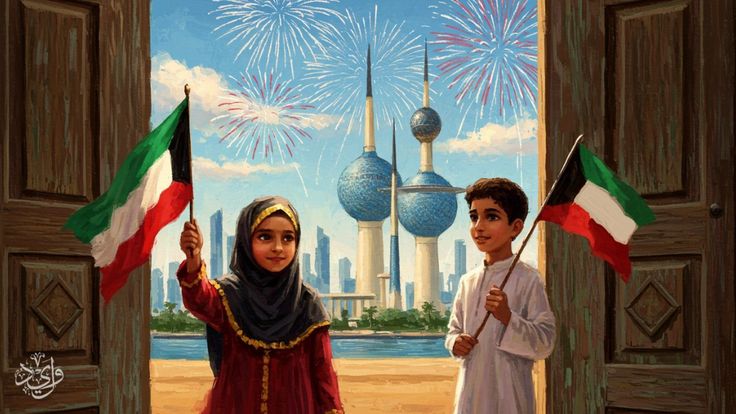
Kuwait is a small Middle Eastern country situated at the northeastern edge of the Arabian Peninsula. It is bordered by Iraq to the north and west, Saudi Arabia to the south, and the Arabian Gulf to the east, giving it a strategic coastal position. Kuwait’s location along the Arabian Gulf has historically made it an important center for trade, maritime activity, and cultural exchange in the region. Despite its compact size, Kuwait holds significant geopolitical and economic importance due to its proximity to major Gulf states and global shipping routes.
Summary Box
- It is located in the Middle East, on the Arabian Peninsula
- It borders Iraq, Saudi Arabia, and the Arabian Gulf
- Its coastal location supports trade and regional connectivity
Key Takeaways
- This country’s geography connects land-based and maritime routes
- The Arabian Gulf coastline shapes its economy and culture
- Its location contributes to its regional influence
Why Tourists Should Visit Kuwait
Tourists visit Kuwait to experience a less commercialized and more authentic Gulf culture. Unlike heavily touristic destinations, This country offers calm exploration, cultural depth, and meaningful interaction with local traditions. Visitors can explore Islamic heritage, enjoy traditional cuisine, and observe everyday life shaped by strong cultural values.
country’s safety, modern infrastructure, and compact geography make it easy to explore within a short time. Its location along the Arabian Gulf also provides scenic coastal views and a relaxed atmosphere. For travellers interested in culture, history, architecture, and local experiences, It presents a distinctive and rewarding travel destination.
ALSO READ: Travel to Egypt:First-Time Visitor’s Complete Guide (2026).
Why Kuwait Is an Underrated Travel Destination
It is often overlooked by travellers in favour of more commercialized Middle Eastern destinations, yet it offers a distinctive and authentic travel experience. Unlike heavily touristic countries it remains culturally grounded, allowing visitors to explore real local life, traditions, and values without overwhelming crowds. This makes Kuwait especially appealing to travellers seeking meaningful cultural exploration rather than luxury-focused tourism alone.
One reason this country is underrated is its strong cultural preservation. Traditional markets, Islamic architecture, and local customs are still deeply integrated into daily life. Visitors can experience historic souqs, community gatherings, and religious landmarks that reflect country’s heritage and identity. This authenticity provides a deeper understanding of Gulf culture.
It also offers a balanced mix of tradition and modernity. Modern museums, cultural centers, and urban parks exist alongside historic neighbourhoods and coastal areas. This contrast allows tourists to experience both contemporary Middle Eastern development and long-standing traditions within a compact travel area.
Another factor is Kuwait’s calm and safe travel environment. The country is known for political stability, low crime rates, and well-developed infrastructure. These conditions make it suitable for solo travelers, families, and first-time visitors to the Middle East.
Finally, country’s underrated status means less crowded attractions and more personalized experiences. Travelers can explore landmarks, interact with locals, and enjoy cultural sites without mass tourism pressure, making country a rewarding destination for thoughtful and culturally curious travelers.
Summary Box
- This country offers authentic Gulf culture without heavy tourism
- Combines tradition, modern spaces, and coastal beauty
- Provides a calm, safe, and culturally rich travel experience
Key Takeaways
- Ideal for travelers seeking authenticity
- Less crowded than popular Gulf destinations
- Strong focus on culture, heritage, and daily life
Best Places to Visit in Kuwait You Shouldn’t Miss
This country offers a variety of cultural, historical, and modern attractions that reflect its identity as a Gulf nation rooted in tradition and progress. These places provide visitors with insight into country’s heritage, lifestyle, and architectural development.
Kuwait Towers
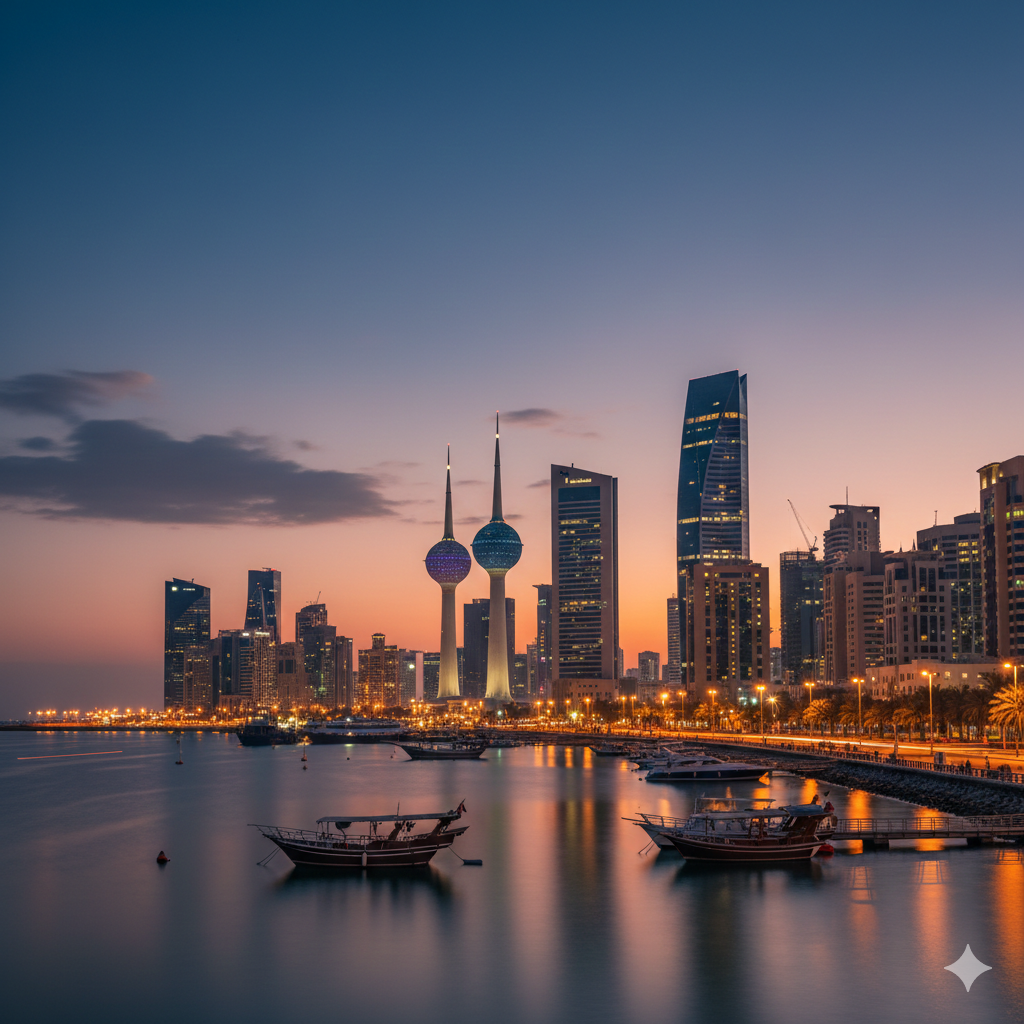
The Kuwait Towers are the most recognizable landmark in the country and a symbol of national identity. They offer panoramic views of Kuwait City and the Arabian Gulf while representing Kuwait’s modern architectural vision.
Souq Al-Mubarakiya
Souq Al-Mubarakiya is one of the oldest traditional markets in this country. It allows tourists to experience local culture through traditional food, spices, handicrafts, and everyday social life in an authentic setting.
The Grand Mosque of Kuwait
The Grand Mosque is the largest mosque in this country as an important religious and cultural site. Its Islamic architecture, calligraphy, and guided tours help visitors understand Kuwait’s religious heritage.
Sheikh Jaber Al-Ahmad Cultural Centre
This cultural complex is a leading venue for art, music, theatre, and exhibitions. It reflects Kuwait’s investment in arts and education and showcases the country’s modern cultural development.
Al Shaheed Park
Al Shaheed Park is a large urban green space featuring museums, walking paths, and memorial areas. It highlights Kuwait’s dedication to public spaces, history, and environmental design.
Failaka Island
Failaka Island offers historical significance and archaeological remains linked to ancient civilizations. It represents Kuwait’s maritime past and provides a quieter experience away from the city.
Summary Box
- This country features iconic landmarks and cultural attractions
- Traditional markets and modern centers coexist
- Attractions reflect history, culture, and urban growth
Kuwaiti Culture and Traditions Tourists Should Know
Kuwaiti culture is deeply rooted in Arab traditions, Islamic values, and strong social etiquette. For tourists, understanding these cultural norms helps create respectful interactions and a more meaningful travel experience. Hospitality is a central part of Kuwaiti society, and visitors are often welcomed warmly, especially when they show appreciation for local customs.
One of the most important aspects of this country’s culture is respect for religion. Islam plays a significant role in daily life, influencing dress, behaviour, and social practices. Modest clothing is expected in public spaces, particularly when visiting mosques or traditional areas. During prayer times and religious occasions, visitors are encouraged to be mindful of local practices.
Family and community hold high importance in Kuwait. Social gatherings often revolve around family homes, and elders are treated with great respect. Greetings are polite and formal, and using the right hand when offering or receiving items is considered courteous.
Traditional customs are also visible in food, language, and celebrations. Kuwait’s cuisine reflects Gulf heritage, while Arabic is the official language, though English is widely understood. Cultural festivals, national celebrations, and religious holidays offer tourists insight into local traditions and values.
Understanding these cultural elements allows tourists to navigate this hidden gem confidently while showing respect for its traditions and way of life.
Summary Box
- This culture is shaped by Islamic and Arab traditions
- Modesty, respect, and hospitality are key values
- Family and community play a central role
Key Takeaways
- Respect local customs and dress codes
- Cultural awareness enhances travel experiences
- Traditions influence daily life and social behavior
What Makes Kuwait Different From Other Gulf Countries
This country stands out among Gulf countries due to its strong cultural identity, historical depth, and balanced modernization. While many Gulf destinations focus heavily on luxury tourism, Kuwait places greater emphasis on preserving traditions, community values, and cultural heritage alongside modern development.
One key difference is Kuwait’s active cultural and intellectual scene. The country has long been a regional center for literature, media, and arts, supported by institutions such as theaters, museums, and cultural centers. This focus on education and expression gives this country a distinct social character within the Gulf.
It is also known for its traditional marketplaces and everyday cultural visibility. Souqs, local cafés, and family-run businesses remain central to daily life, allowing visitors to experience authentic Gulf culture rather than curated tourist environments.
Additionally, Kuwait’s political structure and social openness set it apart. It has a long-standing parliamentary system and a society that encourages discussion, dialogue, and community participation. This contributes to a more grounded and accessible atmosphere for travelers.
Finally, Kuwait’s compact geography allows visitors to explore major cultural, historical, and modern attractions with ease, making it an ideal destination for travelers seeking depth over scale.
Summary Box
- This country emphasizes culture over luxury tourism
- Strong intellectual, artistic, and social identity
- Everyday traditions remain highly visible
Key Takeaways
- Offers a more authentic Gulf experience
- Balances tradition with modern life
- Ideal for culturally curious travelers
Is Kuwait Safe for Tourists?
It is considered one of the safest countries in the Middle East for tourists. The country has a low crime rate, strong law enforcement, and a stable social environment. Violent crime is rare, and most visitors experience Kuwait as calm, orderly, and secure throughout their stay.
Public areas, shopping districts, cultural sites, and transportation hubs are generally safe for both solo travellers and families. This country’s infrastructure is well-developed, and emergency services are reliable and accessible. Tourists are advised to follow basic travel precautions, such as respecting local laws and avoiding restricted areas, which is standard practice in any destination.
Cultural awareness also contributes to safety. Visitors who respect local customs, dress modestly in public spaces, and follow social norms are unlikely to face difficulties. This places high value on social order and mutual respect, which enhances overall safety for residents and visitors alike.
Overall, this country offers a secure environment for tourism, making it suitable for first-time Middle Eastern travellers seeking a safe and culturally enriching experience.
Summary Box
- This country has a low crime rate and strong security
- Public places and tourist areas are generally safe
- Cultural respect enhances visitor safety
Key Takeaways
- Suitable for solo and family travelers
- Stable and well-regulated environment
- Basic precautions ensure a smooth visit
Food and Culinary Experiences in Kuwait
Kuwaiti cuisine reflects the country’s rich cultural heritage and Gulf traditions, combining Arabian, Persian, Indian, and Mediterranean influences. Food plays an important role in social life, and many traditional dishes are prepared for family gatherings, celebrations, and religious occasions.
Popular Kuwaiti dishes include Machboos, a spiced rice dish cooked with meat or seafood, and Harees, made from wheat and slow-cooked meat. Seafood is widely consumed due to this country’s coastal location, with shrimp and fish featuring prominently in local meals.
Traditional desserts and beverages also form an essential part of the culinary experience. Items such as Gers Ogaily (a saffron-flavored cake) and Arabic coffee served with dates are commonly offered to guests as a symbol of hospitality.
In addition to traditional food, It offers a wide range of modern dining options, including international restaurants, cafés, and street food venues. This mix of traditional and contemporary cuisine allows tourists to explore local flavours while enjoying familiar global dishes.
Summary Box
- Kuwaiti’s cuisine blends Gulf and regional influences
- Traditional dishes reflect cultural and social values
- Modern dining options are widely available
Key Takeaways
- Food is central to Kuwaiti’s hospitality
- Seafood and rice-based dishes are common
- Tourists can enjoy both local and international cuisine.
Travel Tips for First-Time Visitors to Kuwait
First-time visitors to Kuwait can enjoy a smooth and comfortable trip by understanding a few essential travel guidelines. This country is well-organized and visitor-friendly, but cultural awareness and preparation help ensure a positive experience.
Tourists should dress modestly in public spaces, especially when visiting religious or traditional areas. Lightweight, loose-fitting clothing is recommended due to the hot climate. Respect for local customs and Islamic values is highly appreciated and helps visitors avoid misunderstandings.
Transportation in this country is convenient, with taxis and ride-hailing services widely available. While public buses exist, many visitors prefer private transport for ease of travel. The local currency is the Kuwaiti Dinar (KWD), and credit cards are commonly accepted, though carrying some cash is useful for markets and small shops.
It is also important to be mindful of local laws and regulations, including photography restrictions in certain areas. Alcohol regulations are strict, and visitors should follow all legal guidelines. Planning activities around prayer times and business hours can further improve the travel experience.
Summary Box
- Modest dress and cultural respect are important
- Taxis and ride-hailing services are widely used
- Awareness of local laws ensures smooth travel
Key Takeaways
- Preparation enhances first-time visits
- Cultural understanding improves interactions
- Simple precautions lead to a comfortable stay
Conclusion
Kuwait stands out as a hidden travel gem in the Middle East, offering a unique blend of cultural heritage, modern development, and everyday authenticity. From historic souqs and iconic landmarks to calm coastal views and rich traditions, it provides visitors with a deeper and more meaningful travel experience. Its safety, compact geography, and strong cultural identity make it an excellent destination for travellers seeking insight into Gulf life beyond mainstream tourism. For those interested in culture, history, and respectful exploration, this country is a rewarding and memorable place to visit.
People Also Ask
Is Kuwait a good destination for tourists?
Yes, Kuwait is a good destination for tourists interested in culture, history, and authentic Gulf experiences. It offers a safe environment, cultural landmarks, traditional markets, and modern infrastructure.
What are the top attractions in Kuwait?
Top attraction includes Kuwait Towers, Souq Al-Mubarakiya, the Grand Mosque of Kuwait, Sheikh Jaber Al-Ahmad Cultural Centre, Al Shaheed Park, and Failaka Island.
How many days are enough to visit Kuwait?
A stay of 3 to 5 days is sufficient to explore Kuwait’s major attractions, cultural sites, and local experiences due to the country’s compact size.
Is Kuwait expensive for tourists?
Kuwait can be moderately expensive, particularly for accommodation and dining, but costs vary depending on travel style and choices.
What should tourists wear in Kuwait?
Tourists should wear modest clothing in public spaces. Lightweight, loose-fitting attire is recommended, especially when visiting religious or traditional areas.
Can non-Muslims visit mosques in Kuwait?
Yes, non-Muslims can visit certain mosques, including the Grand Mosque of Kuwait, usually through guided tours and during designated visiting hours.
References
The information in this article is based on generally accepted travel, cultural, and tourism knowledge supported by reputable sources, including:
- Visit Kuwait (Official Tourism Information)
- Kuwait Ministry of Information
Also visit for more info: https://en.wikipedia.org/wiki/Kuwait