
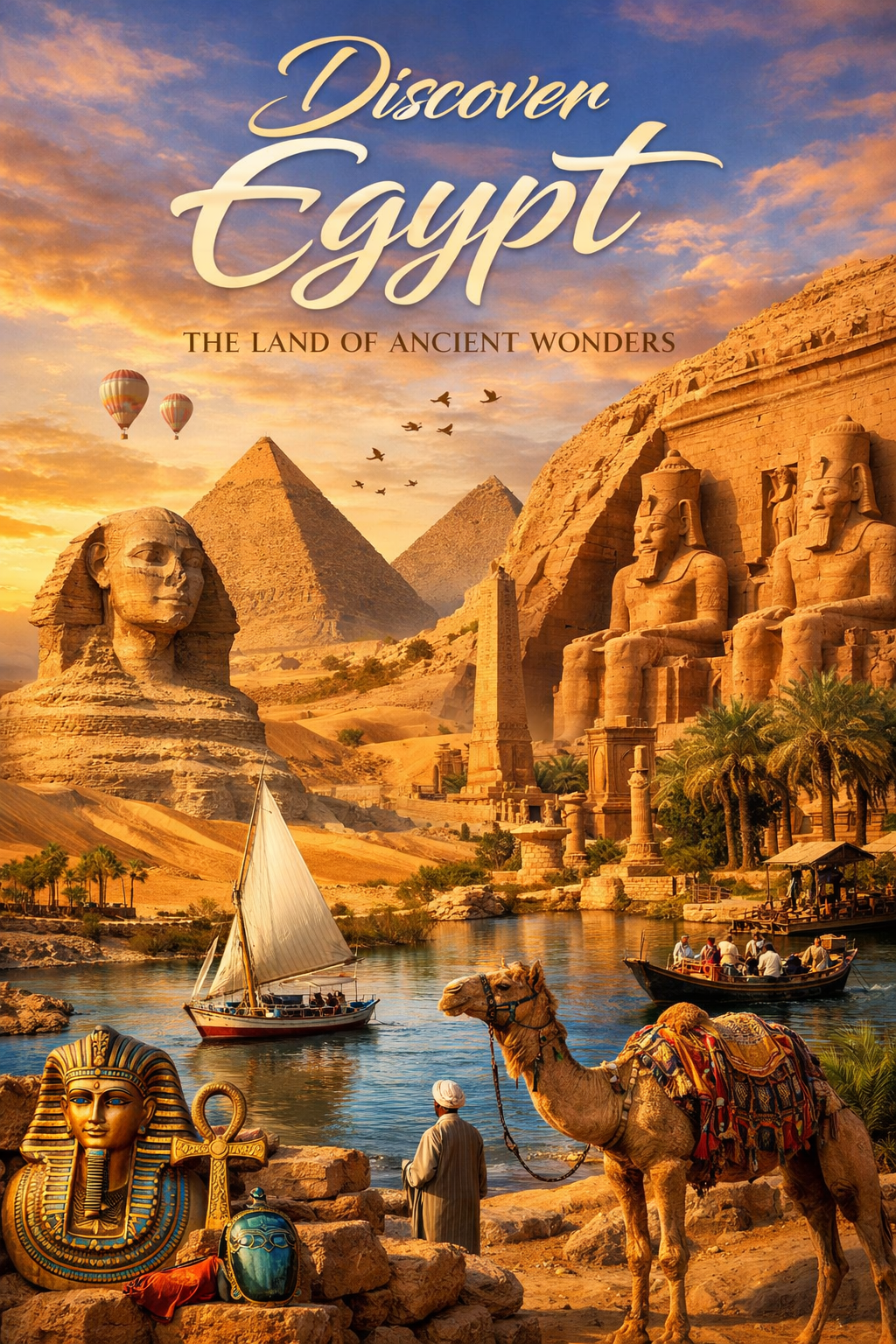
Egypt is generally safe for first-time travellers who stay within established tourist areas and follow standard travel precautions. Major destinations—such as Cairo, Giza, Luxor, Aswan, and Red Sea resorts—maintain visible security and tourism-focused infrastructure. Safety conditions can vary by region, so itinerary planning matters.
Tourist Areas vs. Restricted Areas:
- Generally safe for tourists: Cairo, Giza (Pyramids), Luxor, Aswan, Alexandria, Hurghada, Sharm El Sheikh
- Restricted or advised against: Border regions and remote desert areas without permits
- Key principle: Stick to well-known routes, licensed guides, and reputable operators
Common Safety Precautions:
- Carry copies of passport and visa
- Use registered taxis or ride-hailing apps
- Avoid demonstrations and large crowds
- Dress modestly to reduce unwanted attention
- Follow local authority guidance and hotel advice
Ready Facts:
- Egypt’s main tourist cities have dedicated tourism security.
- Most safety issues involve petty scams, not violent crime.
- Risk is lowest when travelers remain in designated tourist zones.
Summary:
Bottom line: First-time travelers can visit Egypt safely by planning routes carefully, using licensed services, and observing local norms. The highest safety levels are found in established tourist destinations.
Key Takeaways:
- Safety varies by region, not countrywide.
- Tourist hubs are the safest locations.
- Preparation and awareness significantly reduce risk.
Common Misconceptions:
- Myth: Egypt is unsafe everywhere.
Reality: Safety conditions differ by region, with tourist areas well-protected. - Myth: Independent travel is prohibited.
Reality: Independent travel is common in major cities when done responsibly.
also read: Google Apps: Features, Benefits, Productivity Tools, and Innovations
Visa and Entry Requirements for Egypt:
Visa Requirements Overview:
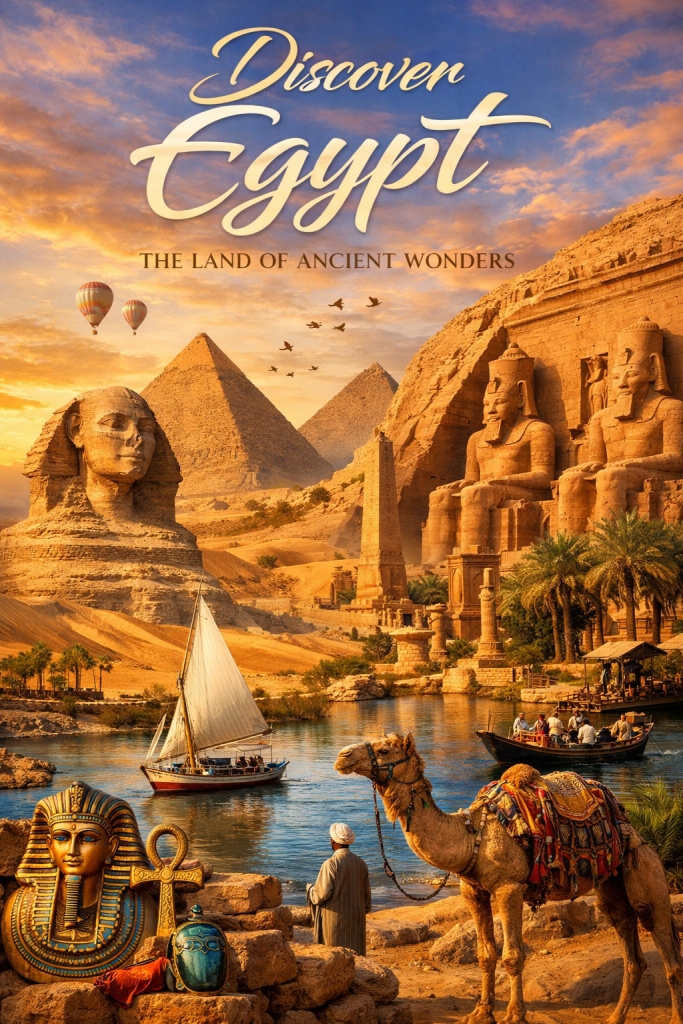
Most first-time travelers need a visa to enter Egypt. Entry rules depend on nationality, length of stay, and purpose of travel. Tourist visas are the most common and are issued for short-term visits.
Visa on Arrival:
- Available to citizens of many countries
- Issued at major international airports in Egypt
- Typically valid for 30 days
- Requires a valid passport and payment in accepted currency
Important note: Visa on arrival rules can change, so confirmation before departure is recommended.
Egypt e-Visa System:
Egypt offers an official electronic visa (e-Visa) for eligible nationalities.
Key features:
- Online application before travel
- Single-entry or multiple-entry options
- 30-day stay per visit
- Usually processed within a few business days
Benefits for first-time travelers:
- Faster airport entry
- Reduced paperwork on arrival
- Clear pre-approval before departure
Passport Validity Rules:
- Passport must be valid for at least 6 months beyond the arrival date
- At least one blank page required for entry stamps
- Damaged or expired passports may result in denied entry
Ready Facts:
- Most tourists need a visa to enter Egypt.
- Egypt offers both visa on arrival and e-Visa options.
- Passports must typically be valid for six months.
Step-by-Step Table: Egypt e-Visa Process:
| Step | Action |
| 1 | Check eligibility for Egypt e-Visa |
| 2 | Complete online application |
| 3 | Upload passport details |
| 4 | Pay visa fee |
| 5 | Receive approval before travel |
Summary:
In short: First-time travelers can enter Egypt using a visa on arrival or an approved e-Visa, provided passport validity requirements are met.
Key Takeaways:
- Visa rules depend on nationality.
- e-Visa offers convenience and predictability.
- Passport validity is strictly enforced.
Common Mistakes:
- Assuming visa-free entry without verification
- Traveling with insufficient passport validity
- Not printing or saving e-Visa confirmation
Best Time to Visit Egypt:
Weather Overview by Season:
Egypt has a desert climate, with hot summers and mild winters. Weather conditions play a major role in sightseeing comfort, especially for first-time visitors planning outdoor activities.
- Winter (October–March): Mild temperatures and low humidity
- Summer (June–August): Extremely hot, especially in Upper Egypt
- Shoulder seasons: Spring and autumn offer balanced conditions
Best Months for First-Time Travelers:
For most travelers, the most comfortable and practical time to visit Egypt is:
- October to April for cultural sightseeing
- December to February for peak comfort and festivals
- March and April for fewer crowds with warm weather
Peak vs Off-Peak Travel:
- Peak season: December to February
- Higher prices
- Larger crowds at major sites
- Higher prices
- Off-peak season: June to August
- Lower costs
- Heat can limit outdoor exploration
- Lower costs
Comparison Table: Best Time to Visit Egypt:
| Season | Months | Weather | Travel Impact |
| Winter | Oct–Mar | Mild, dry | Best for sightseeing |
| Spring | Apr–May | Warm | Moderate crowds |
| Summer | Jun–Aug | Very hot | Budget-friendly but challenging |
| Autumn | Sep | Cooling | Transition period |
Ready Facts:
- October to April is the most popular travel period.
- Summer heat can exceed comfortable levels for sightseeing.
- Winter offers the best balance of weather and accessibility.
Summary:
Recommended timeframe: First-time travelers should plan visits between October and April for comfortable temperatures and optimal sightseeing conditions.
Key Takeaways:
- Climate strongly affects travel experience.
- Winter is ideal but busiest.
- Shoulder seasons balance cost and comfort.
Common Misconceptions:
- Myth: Egypt is unbearably hot year-round.
Reality: Winter and shoulder seasons are mild and suitable for travel. - Myth: Summer travel is impossible.
Reality: Coastal and resort areas remain accessible.
Cultural Rules and Etiquette in Egypt:
General Cultural Expectations:
Egypt is a culturally conservative country with strong social and religious traditions. First-time travelers are not expected to know every custom, but respectful behavior is important and widely appreciated. Cultural awareness helps avoid misunderstandings and improves interactions with locals.
Dress Code for Tourists:
- Modest clothing is recommended in public places
- Shoulders and knees should generally be covered
- Lightweight, loose-fitting clothing is ideal for climate and comfort
- Beachwear is acceptable only at resorts and private pools
Behavior in Religious and Public Spaces:
- Remove shoes when entering mosques
- Avoid loud conversations or disruptive behavior at religious sites
- Public displays of affection are discouraged
- Photography may be restricted in certain locations
Social Customs Travelers Should Know:
- Greetings are polite and often formal
- Using the right hand for giving or receiving items is customary
- Tipping, known as baksheesh, is a common practice
- Bargaining is expected in traditional markets
Definition Table: Common Cultural Terms:
| Term | Meaning |
| Baksheesh | Small tip or gratuity |
| Souk | Traditional market |
| Mosque | Islamic place of worship |
Ready Facts:
- Egypt follows conservative social norms.
- Modest dress is recommended for visitors.
- Respectful behavior at religious sites is essential.
Summary:
Cultural tip: Dressing modestly and observing local customs helps travelers blend in, avoid unwanted attention, and show respect for Egyptian traditions.
Key Takeaways:
- Cultural awareness enhances travel experience.
- Modest dress is the safest choice.
- Religious sites require special etiquette.
Common Mistakes:
- Wearing revealing clothing in non-tourist areas
- Ignoring photography restrictions
- Assuming Western social norms apply everywhere
Transportation in Egypt for Tourists:
Overview of Getting Around Egypt:
Egypt offers multiple transportation options suitable for first-time travelers. The best choice depends on distance, budget, and comfort level. Major tourist routes are well-connected, while urban transport requires more caution and planning.
Domestic Flights:
- Ideal for long distances (e.g., Cairo to Luxor or Aswan)
- Operated by national and private airlines
- Save time compared to road or rail travel
- Airports are present in all major tourist cities
Trains and Long-Distance Buses:
- Trains connect major cities along the Nile
- Air-conditioned classes are recommended for tourists
- Night trains are popular for Cairo–Luxor and Cairo–Aswan routes
- Long-distance buses are available but vary in comfort
Taxis and Ride-Hailing Apps:
- Ride-hailing apps are widely used in large cities
- Metered taxis exist but may require fare confirmation
- Hotel-arranged transport is often the safest option
- Negotiating fares in advance is common practice
Comparison Table: Transportation Options in Egypt:
| Transport Type | Best For | Comfort Level | Notes |
| Domestic Flights | Long distances | High | Fastest option |
| Trains | City-to-city travel | Medium–High | Choose AC classes |
| Buses | Budget travel | Medium | Varies by operator |
| Ride-Hailing | City travel | High | Fixed pricing |
Ready Facts:
- Domestic flights are common for tourist routes.
- Trains are reliable between major cities.
- Ride-hailing apps reduce fare disputes.
Summary:
Travel tip: For first-time visitors, combining domestic flights for long distances and ride-hailing apps within cities offers the safest and most convenient experience.
Key Takeaways:
- Transport options vary by distance and region.
- Flights save time; trains offer scenic routes.
- Pre-arranged transport reduces uncertainty.
Common Mistakes:
- Using unlicensed taxis
- Not confirming fares in advance
- Choosing non-air-conditioned transport in summer
Costs, Currency, and Tipping in Egypt:
General Cost Overview:
Egypt is considered an affordable destination for many first-time travelers. Daily expenses vary based on travel style, location, and accommodation choice, but overall costs are lower compared to many international tourist destinations.
Egyptian Currency Basics:
- Official currency: Egyptian Pound (EGP)
- Cash is widely used, especially outside major hotels
- ATMs are available in cities and tourist areas
- Credit cards are accepted mainly in hotels and larger establishments
Average Daily Travel Costs:
Costs can fluctuate, but general ranges help with budgeting.
| Expense Category | Average Cost Range |
| Budget accommodation | Low-cost options |
| Mid-range hotel | Moderate pricing |
| Local meals | Inexpensive |
| Guided tours | Variable by location |
(Exact amounts vary based on season and service level.)
Tipping Culture (Baksheesh):
Tipping is customary in Egypt and expected in many service interactions.
- Small tips for drivers, hotel staff, and guides
- Amounts are generally modest
- Carry small denominations for convenience
- Tipping is a cultural norm, not a reflection of service quality
Ready Facts:
- Egypt is budget-friendly for most travelers.
- The Egyptian pound is the primary payment method.
- Tipping is customary and widely practiced.
Summary:
Money tip: Carry cash in small denominations and budget for regular tipping as part of daily travel expenses.
Key Takeaways:
- Egypt offers good value for travelers.
- Cash remains essential in many areas.
- Tipping is culturally expected.
Common Mistakes:
- Relying solely on credit cards
- Not carrying small bills for tips
- Underestimating daily tipping costs
Where to Stay in Egypt:
Accommodation Overview:
Egypt offers a wide range of accommodations suitable for first-time travelers, from international hotels to local guesthouses and resort-style properties. Choosing the right location and accommodation type can significantly affect comfort, safety, and overall experience.
Hotels vs Guesthouses:
- Hotels:
- Common in major cities and tourist hubs
- Offer higher security, English-speaking staff, and tourist services
- Suitable for first-time visitors seeking convenience
- Common in major cities and tourist hubs
- Guesthouses:
- More affordable and locally operated
- Vary in quality and amenities
- Best chosen through reputable booking platforms
- More affordable and locally operated
Best Areas for First-Time Visitors:
- Cairo: Downtown, Zamalek, and Giza (near pyramids)
- Luxor & Aswan: Near the Nile or main temples
- Red Sea Resorts: Purpose-built areas designed for tourists
These areas provide better infrastructure, transport access, and security presence.
Resort vs City Stays:
- Resorts:
- Ideal for relaxation and Red Sea activities
- All-inclusive options available
- Limited cultural immersion
- Ideal for relaxation and Red Sea activities
- City stays:
- Closer to historical sites and museums
- More exposure to daily Egyptian life
- Require more planning and awareness
- Closer to historical sites and museums
Comparison Table: Accommodation Options:
| Type | Best For | Price Range | Notes |
| International hotels | First-time travelers | Medium–High | High comfort |
| Guesthouses | Budget travelers | Low–Medium | Quality varies |
| Resorts | Leisure travel | Medium–High | All-inclusive |
| Boutique hotels | Cultural stays | Medium | Location-dependent |
Ready Facts:
- Egypt offers hotels, guesthouses, and resorts.
- First-time travelers benefit from central locations.
- Tourist areas provide better services and security.
Summary:
Stay smart: For a first visit, centrally located hotels in major tourist areas offer the best balance of comfort, access, and security.
Key Takeaways:
- Location matters more than hotel category.
- Hotels simplify logistics for new visitors.
- Resorts suit relaxation-focused trips.
Common Mistakes:
- Booking far from tourist zones
- Prioritizing price over location
- Ignoring guesthouse reviews
Health, Food, and Hygiene Tips:
Food Safety Basics:
- Stick to cooked foods and freshly prepared meals
- Avoid raw vegetables or fruits unless peeled
- Street food is popular but choose busy, well-reviewed vendors
- Wash hands before eating when possible
Drinking Water Guidance:
- Tap water is generally not recommended for drinking
- Use bottled water or filtered water
- Avoid ice from unverified sources
- Brush teeth with bottled or boiled water if concerned
Health Preparations:
- Vaccinations: Check recommended vaccines before travel (hepatitis A, typhoid, tetanus, etc.)
- Travel insurance: Essential for emergencies
- Medical kit: Include basic medications, insect repellent, and sunscreen
Dealing with Heat and Sun:
- Use sunscreen and wear hats or protective clothing
- Stay hydrated, especially when visiting desert areas
- Avoid outdoor activities during peak afternoon heat in summer
Ready Facts:
- Bottled water is recommended for drinking.
- Cooked food is safer for tourists than raw food.
- Heat precautions reduce risks during daytime sightseeing.
Summary:
Health tip: Prioritize safe water and food, carry basic medical supplies, and protect yourself from heat and sun exposure.
Key Takeaways:
- Food and water safety are essential for first-time travelers.
- Vaccinations and travel insurance provide added protection.
- Desert and summer conditions require careful sun and hydration management.
Common Mistakes:
- Drinking tap water in Egypt
- Eating unpeeled raw produce
- Ignoring sun protection during sightseeing
Conclusion:
Egypt is a captivating destination for first-time travelers, offering a unique blend of history, culture, and natural beauty. By planning carefully—considering safety, visas, transportation, accommodation, and health precautions—travelers can enjoy a smooth and memorable visit. Respecting local customs, budgeting wisely, and traveling during the optimal season further enhance the experience. First-time visits are best focused on well-established tourist areas to maximize comfort, security, and access to Egypt’s iconic sites.
FAQs:
1. Is Egypt safe for first-time travelers?
Yes. Major tourist cities and resorts are generally safe. Travelers should avoid border areas, follow local advice, and take standard precautions.
2. Do I need a visa to visit Egypt?
Most visitors require a visa. Options include visa on arrival at airports or the Egypt e-Visa applied for online before travel.
3. What is the best time to visit Egypt?
The optimal months are October to April, with milder temperatures and comfortable conditions for sightseeing.
4. How much does it cost to travel in Egypt?
Daily travel costs vary by style, but Egypt is generally affordable. Budget travelers can manage on low to moderate daily expenses, while mid-range travelers may spend more for hotels and guided tours.
5. What should I wear in Egypt?
Modest clothing is recommended. Cover shoulders and knees, especially when visiting religious or cultural sites. Lightweight clothing helps with the desert climate.
6. How do I get around in Egypt?
Options include domestic flights, trains, long-distance buses, and ride-hailing apps in major cities. Combining these based on distance and convenience is recommended for first-time travelers.
7. Is tap water safe to drink in Egypt?
No. Bottled or filtered water is recommended. Avoid ice from unverified sources and peel fruits or eat cooked foods to reduce the risk of illness.
References / Citation List:
- Egyptian Ministry of Tourism – Official Travel Information: egypt.travel
- World Health Organization (WHO) – Travel Advice: who.int
- International Air Transport Association (IATA) – Passport & Visa Requirements: iata org
- Lonely Planet – Egypt Travel Guide: lonelyplanet.com/egypt.