
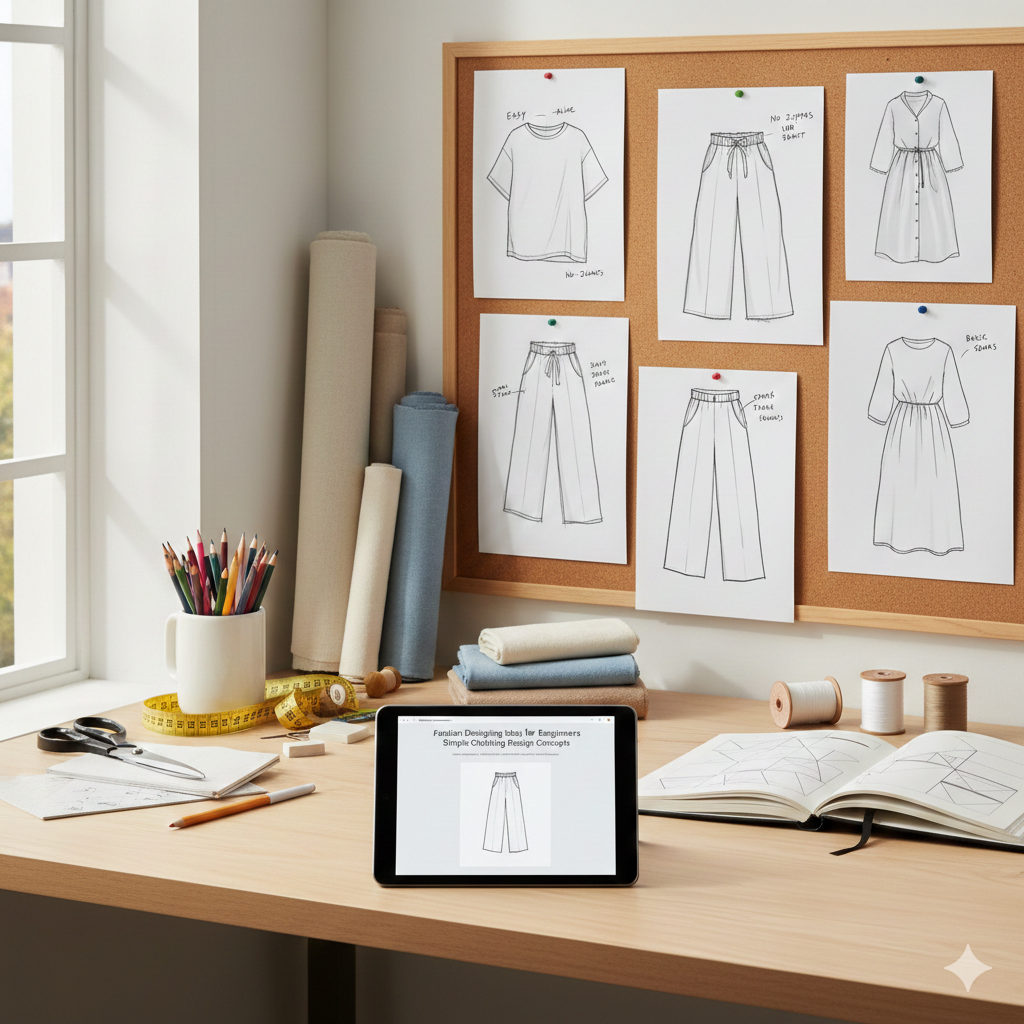
Fashion designing ideas for beginners focus on simple, practical, and skill-building concepts that help new designers understand garment structure, fabrics, colors, and basic silhouettes. At the beginner stage, these ideas should be easy to execute, adaptable, and suitable for practice or portfolio development.
Simple Clothing Design Concepts
Beginner-friendly fashion designing ideas often start with:
- Straight-cut kurtis and tunics
- Basic tops, shirts, and blouses
- Simple skirts and trousers
- Minimal-detail dresses
These designs help beginners learn measurements, stitching basics, and fitting, which are foundational skills in fashion design.
Easy Fabric and Pattern Ideas
Fabric selection plays a key role in beginner designs. Suitable fabric-based ideas include:
- Cotton and lawn outfits for daily wear
- Solid colors with minimal prints
- Basic patterns like stripes, checks, and polka dots
Beginners should avoid complex fabrics like silk or chiffon initially, as they require advanced handling skills.
Practice-Friendly Design Projects
Fashion designing ideas for practice may include:
- Redesigning an old garment
- Creating a matching top and bottom set
- Designing seasonal outfits (summer or winter wear)
- Sketch-to-garment mini projects
These projects help beginners understand the complete design process, from idea creation to final outfit.
Summary
Fashion designing ideas for beginners should be simple, fabric-friendly, and focused on learning core skills such as stitching, fitting, and basic design execution.
Key Takeaway
- Start with simple and wearable designs
- Choose easy-to-handle fabrics
- Focus on skill-building rather than complexity
- Practice projects improve confidence and creativity
Trending Fashion Designing Ideas
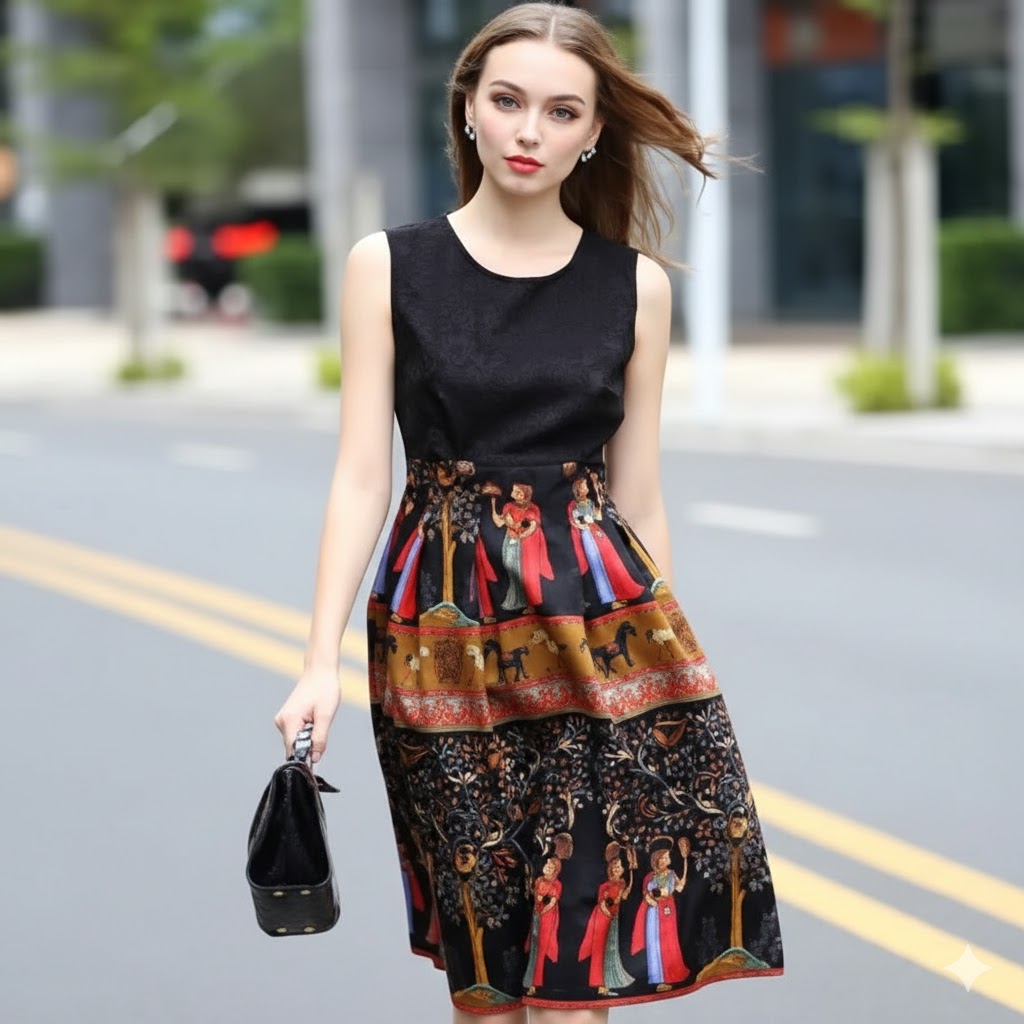
Trending fashion designing ideas are influenced by global runways, social media platforms, seasonal changes, and consumer preferences. These ideas help designers stay relevant and align their creations with current market demand.
Current Global Fashion Trends
Common trend-driven fashion designing ideas include:
- Oversized silhouettes and relaxed fits
- Neutral and earthy color palettes
- Minimalist designs with clean lines
- Statement sleeves and structured shoulders
These trends reflect a shift toward comfort, versatility, and simplicity in modern fashion.
Social Media and Influencer-Inspired Designs
Platforms like Instagram, Pinterest, and fashion blogs play a major role in shaping fashion trends. Popular influencer-inspired ideas include:
- Coordinated two-piece sets
- Layered outfits and styling variations
- Gender-neutral fashion designs
Designers often adapt these ideas to suit local tastes and fabric availability.
Seasonal Trend-Based Ideas
Fashion designing ideas change with seasons:
- Summer: breathable fabrics, light colors, loose silhouettes
- Winter: layered outfits, textured fabrics, darker tones
- Festive seasons: embellished and statement pieces
Seasonal relevance improves both wearability and commercial appeal.
Summary Box
Trending fashion designing ideas are shaped by global fashion movements, social media influence, and seasonal demand, helping designers create relevant and market-ready designs.
Key Takeaways
- Trends evolve through runways and social media
- Seasonal alignment is essential
- Modern fashion emphasizes comfort and versatility
- Trend adaptation should consider local preferences
Traditional and Fusion Fashion Designing Ideas
Traditional and fusion fashion designing ideas combine cultural heritage with modern styling. These ideas are popular for festive wear, formal occasions, and contemporary fashion collections because they preserve tradition while offering updated aesthetics.
Cultural and Ethnic Wear Concepts
Traditional fashion designing ideas often draw inspiration from:
- Regional embroidery techniques
- Cultural silhouettes such as kurtas, sarees, and lehengas
- Traditional motifs and handcrafted details
These designs focus on identity, craftsmanship, and cultural representation.
Modern Fusion Outfit Ideas
Fusion fashion blends traditional elements with modern cuts and styling, such as:
- Kurti-style dresses with Western silhouettes
- Ethnic prints on modern tops or jackets
- Traditional embroidery on contemporary outfits
Fusion ideas appeal to younger audiences and urban fashion markets.
Regional Textile-Based Designs
Designing outfits based on regional textiles allows designers to create unique collections using:
- Handwoven fabrics
- Traditional prints and patterns
- Locally sourced materials
These ideas support heritage preservation and sustainable fashion practices.
Summary Box
Traditional and fusion fashion designing ideas combine cultural elements with modern design techniques to create versatile and market-relevant outfits.
Key Takeaways
- Traditional designs highlight cultural heritage
- Fusion fashion balances modern and ethnic styles
- Regional textiles add uniqueness and authenticity
- These ideas are suitable for festive and formal wear
Sustainable and Eco-Friendly Fashion Ideas
Sustainable and eco-friendly fashion designing ideas focus on reducing environmental impact, promoting ethical practices, and encouraging responsible consumption. These ideas are increasingly important in modern fashion due to growing awareness of climate change and waste reduction.
Upcycled Clothing Ideas
Upcycling involves transforming old or unused garments into new designs. Common upcycling ideas include:
- Redesigning old jeans into skirts or jackets
- Turning large shirts into dresses or tops
- Combining fabric scraps to create patchwork outfits
Upcycled fashion reduces textile waste and supports creative innovation.
Ethical Fabric Choices
Choosing sustainable fabrics is a core part of eco-friendly fashion designing ideas. Common options include:
- Organic cotton
- Linen and hemp fabrics
- Recycled or biodegradable materials
These fabrics require fewer resources and are considered environmentally responsible.
Zero-Waste Fashion Concepts
Zero-waste fashion focuses on minimizing fabric waste during production. Design ideas include:
- Pattern designs that use entire fabric lengths
- Multi-purpose garments with adjustable fits
- Minimal-cut and modular clothing designs
Zero-waste concepts encourage efficient design planning.
Summary Box
Sustainable fashion designing ideas emphasize upcycling, ethical fabrics, and zero-waste concepts to reduce environmental impact and promote responsible fashion practices.
Key Takeaways
- Upcycling turns old garments into new designs
- Sustainable fabrics reduce environmental harm
- Zero-waste designs improve efficiency
- Eco-friendly fashion supports long-term industry sustainability
Occasion-Based Fashion Designing Ideas
Occasion-based fashion designing ideas focus on creating outfits tailored to specific events, settings, and usage needs. These ideas help designers plan collections that are practical, wearable, and market-relevant.
Casual Wear Ideas
Casual fashion designing ideas emphasize comfort and everyday usability. Common concepts include:
- Relaxed-fit tops and tunics
- Everyday dresses with simple silhouettes
- Comfortable trousers, skirts, and co-ord sets
Casual designs prioritize ease of movement, breathable fabrics, and minimal detailing.
Formal and Office Wear Designs
Formal fashion ideas focus on structured and professional looks, such as:
- Tailored shirts, blazers, and trousers
- Modest dresses suitable for work environments
- Neutral color palettes with subtle design elements
These designs balance style, professionalism, and comfort.
Party, Bridal, and Event Wear Ideas
Event-based fashion designing ideas are created for special occasions and include:
- Party dresses with statement details
- Bridal and festive outfits with embellishments
- Evening wear using rich fabrics and bold silhouettes
These designs allow designers to explore creativity, luxury, and craftsmanship.
Summary
Occasion-based fashion designing ideas focus on casual, formal, and event-specific outfits, helping designers create purpose-driven and wearable collections.
Key Takeaways
- Casual wear focuses on comfort and simplicity
- Formal wear emphasizes structure and professionalism
- Event wear highlights creativity and detailing
- Occasion-specific designs improve market relevance
Also read; Claude Edward Elkins Jr.: From Brakeman to Executive Leader in the Rail Industry
Casual Wear Fashion Designing Ideas
Casual fashion designing ideas focus on comfort, functionality, and everyday usability. These designs are created for daily activities such as work-from-home routines, social outings, travel, and relaxed environments. The primary goal is to balance style with ease of movement while maintaining broad market appeal.
Core Characteristics of Casual Wear Design
- Comfortable silhouettes suitable for long wear
- Breathable and lightweight fabrics
- Minimal embellishments and easy maintenance
- Versatile designs that work across multiple settings
Common Casual Wear Design Concepts
- Relaxed-fit tops and tunics for unrestricted movement
- Everyday dresses with simple cuts and minimal structure
- Comfortable trousers, skirts, and co-ord sets designed for practicality
These garments often feature loose tailoring, elasticated waists, soft seams, and functional lengths, making them suitable for diverse body types and climates.
Fabric and Construction Focus
Casual wear prioritizes fabrics that enhance comfort and durability:
- Cotton and cotton blends
- Linen and rayon for breathability
- Jersey and knit fabrics for flexibility
Construction techniques emphasize simple stitching, low-weight trims, and easy closures to support daily use.
Ready Key Points
- Casual fashion designs prioritize comfort and everyday wearability
- Relaxed silhouettes and breathable fabrics define casual wear
- Minimal detailing improves versatility and maintenance
Summary
Casual fashion designing ideas focus on relaxed silhouettes, breathable fabrics, and practical construction to create outfits suitable for daily wear and diverse lifestyles.
Key Takeaways
- Casual wear emphasizes comfort over structure
- Simple silhouettes improve usability and mass appeal
- Fabric choice plays a critical role in everyday fashion design
Formal and Office Wear Fashion Designing Ideas
Formal and office wear fashion designing ideas focus on creating structured, professional, and polished outfits suitable for workplace environments. These designs are intended to reflect discipline, credibility, and functionality while maintaining comfort for extended wear.
Core Objectives of Formal Wear Design
- Maintain a professional and refined appearance
- Ensure comfort for long working hours
- Align with workplace dress codes and industry norms
- Balance aesthetics with practicality
Formal designs are often guided by corporate standards, organizational culture, and occupational requirements.
Common Formal and Office Wear Design Concepts
- Tailored shirts, blazers, and trousers with clean lines
- Modest dresses designed for professional settings
- Structured skirts and coordinated sets for consistency
These garments rely on precise tailoring, defined silhouettes, and subtle detailing to convey professionalism without excessive decoration.
Color Palette and Design Elements
Formal wear typically uses:
- Neutral and muted colors such as black, navy, grey, beige, and white
- Minimal patterns and understated textures
- Subtle design elements like darts, pleats, and seam detailing
The emphasis remains on clarity, symmetry, and visual balance.
Fabric and Fit Considerations
Preferred fabrics include:
- Wool blends for structure
- Cotton and polyester blends for durability
- Crepe and twill for smooth drape
Fit accuracy is critical, as formal wear depends on clean proportions and body alignment.
Ready Key Points
- Formal fashion designs emphasize structure and professionalism
- Neutral colors and minimal detailing define office wear
- Tailored fits improve functionality and appearance
Summary
Formal and office wear fashion designing ideas prioritize structured silhouettes, professional aesthetics, and comfort to meet workplace standards and daily usability.
Key Takeaways
- Formal wear focuses on tailoring and clean design
- Neutral palettes enhance professionalism
- Comfort and fit are essential for workwear success
Party, Bridal, and Event Wear Fashion Designing Ideas
Party, bridal, and event wear fashion designing ideas are created for special occasions that require visual impact, elegance, and craftsmanship. These designs are not intended for everyday use and instead focus on celebration, luxury, and statement aesthetics.
Purpose of Event-Based Fashion Design
- Create memorable and visually distinctive outfits
- Reflect cultural, festive, or ceremonial significance
- Showcase design creativity and technical skill
- Align with the theme, scale, and formality of the event
Event wear allows designers to explore artistic expression beyond functional constraints.
Common Party and Event Wear Design Concepts
- Party dresses with statement silhouettes or detailing
- Evening wear featuring dramatic cuts and bold proportions
- Designer sets and gowns for formal celebrations
These designs often include layering, structured draping, and focal design elements to enhance visual appeal.
Bridal and Festive Wear Ideas
Bridal and festive fashion focuses on:
- Heavily embellished outfits using embroidery, beadwork, or sequins
- Traditional and fusion silhouettes influenced by cultural customs
- Rich fabrics such as silk, velvet, satin, organza, and brocade
Attention is given to ornamentation, craftsmanship, and fabric richness, making each piece occasion-specific.
Design Elements and Fabric Selection
Key design features include:
- Intricate surface design and handwork
- Statement sleeves, necklines, and hemlines
- Layered textures and volume-based silhouettes
Fabric choices are driven by visual weight, drape quality, and ceremonial relevance rather than everyday comfort.
Ready Key Points
- Event wear focuses on luxury and statement design
- Bridal fashion emphasizes embellishment and craftsmanship
- Rich fabrics and bold silhouettes define occasion wear
Summary
Party, bridal, and event wear fashion designing ideas emphasize creativity, luxury materials, and detailed craftsmanship to suit celebratory and ceremonial occasions.
Key Takeaways
- Event wear allows greater design freedom
- Bridal fashion prioritizes embellishment and tradition
- Occasion-specific designs focus on visual impact
Summary of Occasion-Based Fashion Designing Ideas
Occasion-based fashion designing ideas focus on creating purpose-driven garments that align with specific usage contexts, events, and lifestyle needs. By categorizing designs into casual wear, formal and office wear, and party or event wear, designers can plan collections that are practical, wearable, and commercially relevant.
Each category serves a distinct function:
- Casual wear addresses everyday comfort and usability
- Formal wear supports professionalism and workplace standards
- Event wear emphasizes creativity, luxury, and craftsmanship
Designing according to occasion helps ensure better consumer alignment, clearer collection themes, and improved market positioning.
Ready Key Points
- Occasion-based fashion design aligns clothing with specific use cases
- Casual, formal, and event wear serve different functional and aesthetic needs
- Purpose-driven design improves wearability and market relevance
Summary
Occasion-based fashion designing ideas help designers create targeted collections by matching design elements, fabrics, and silhouettes to specific events and usage requirements.
Key Takeaways
- Occasion-specific design improves functionality and clarity
- Casual wear focuses on comfort and simplicity
- Formal wear emphasizes structure and professionalism
- Event wear highlights detailing, luxury, and creativity
Importance of Occasion-Based Fashion Designing in the Fashion Industry
Occasion-based fashion designing plays a critical role in the planning, development, and commercial success of fashion collections. Designing garments based on specific occasions ensures that clothing meets functional needs, social expectations, and consumer preferences.
Role in Collection Planning
Occasion-based classification helps designers:
- Organize collections into clear categories
- Select appropriate fabrics, silhouettes, and construction methods
- Maintain consistency within a design line
This approach simplifies design direction, production planning, and merchandising.
Market and Consumer Relevance
Designing for specific occasions improves:
- Customer satisfaction through purpose-appropriate clothing
- Brand clarity and positioning
- Seasonal and event-based sales opportunities
Consumers are more likely to purchase garments that clearly fit their lifestyle and usage requirements.
Industry and Commercial Benefits
For fashion brands and designers, occasion-based design:
- Reduces product mismatch and returns
- Supports targeted marketing strategies
- Enhances usability across different customer segments
It also aligns with retail categorization systems used in online and offline fashion markets.
Ready Key Points
- Occasion-based fashion design improves usability and relevance
- Clear design categories support better collection planning
- Purpose-driven garments increase consumer acceptance
Summary
Occasion-based fashion designing helps the fashion industry create structured, market-relevant collections that align with consumer needs, usage contexts, and commercial goals.
Key Takeaways
- Occasion-based design supports strategic fashion planning
- It improves alignment between design and consumer expectations
- Clear usage focus enhances brand and market performance
Fabric Selection Based on Occasion in Fashion Designing
Fabric selection is a foundational element in occasion-based fashion designing, as different events require different levels of comfort, structure, durability, and visual appeal. Choosing the right fabric ensures that the garment performs well in its intended setting.
Fabric Selection for Casual Wear
Casual wear fabrics prioritize comfort, breathability, and ease of care.
Common choices include:
- Cotton and cotton blends for softness and airflow
- Linen for warm climates and relaxed looks
- Jersey and knit fabrics for flexibility and movement
These fabrics support daily wear, frequent washing, and long-duration comfort.
Fabric Selection for Formal and Office Wear
Formal wear fabrics focus on structure, smooth drape, and professional appearance.
Preferred options include:
- Wool and wool blends for tailored garments
- Crepe, twill, and gabardine for clean silhouettes
- Polyester blends for durability and wrinkle resistance
Fabric stability is essential to maintain sharp lines and garment shape throughout the workday.
Fabric Selection for Party and Event Wear
Event wear fabrics emphasize luxury, richness, and visual impact rather than everyday comfort.
Commonly used fabrics include:
- Silk, satin, and velvet for elegance
- Organza, tulle, and chiffon for volume and layering
- Brocade and embellished textiles for ceremonial wear
These fabrics enhance ornamentation, texture, and dramatic silhouettes.
Ready Key Points
- Fabric choice depends on the occasion and garment function
- Casual wear uses breathable and easy-care fabrics
- Formal wear requires structured and durable materials
- Event wear focuses on luxury and visual richness
Summary
Fabric selection based on occasion ensures that fashion designs meet functional, aesthetic, and performance requirements specific to casual, formal, or event-based use.
Key Takeaways
- Fabric choice directly impacts comfort and usability
- Structured fabrics support formal designs
- Rich textiles define party and bridal wear
Design Elements and Silhouette Selection by Occasion
Design elements and silhouettes play a central role in occasion-based fashion designing, as they define how a garment looks, fits, and functions in a specific setting. Selecting appropriate shapes and details ensures that the design aligns with usage expectations and social context.
Silhouette Choices for Casual Wear
Casual wear silhouettes focus on ease, flexibility, and relaxed proportions.
Common silhouettes include:
- Straight and A-line shapes
- Oversized and boxy fits
- Loose co-ord and layered silhouettes
These shapes support movement, comfort, and all-day wearability.
Silhouette Choices for Formal and Office Wear
Formal wear relies on structured and refined silhouettes.
Typical options include:
- Tailored straight-cut trousers and skirts
- Fitted shirts and blazers
- Defined waistlines and clean vertical lines
These silhouettes promote professional appearance and visual discipline.
Silhouette Choices for Party and Event Wear
Event wear silhouettes emphasize drama, volume, and statement appeal.
Popular choices include:
- Flared, mermaid, and gown silhouettes
- Layered and draped forms
- Structured and sculptural shapes
Such silhouettes enhance ceremonial presence and visual impact.
Design Elements by Occasion
Design elements vary depending on the event:
- Casual wear uses minimal trims and functional details
- Formal wear incorporates subtle seams, pleats, and panels
- Event wear features embroidery, embellishment, and surface design
Each element contributes to the garment’s purpose and aesthetic relevance.
Ready Key Points
- Silhouettes must align with occasion-specific usage
- Casual designs favor relaxed shapes
- Formal wear relies on structured silhouettes
- Event wear highlights dramatic forms and detailing
Summary
Design elements and silhouette selection in occasion-based fashion ensure that garments are functional, visually appropriate, and aligned with the intended setting.
Key Takeaways
- Silhouette selection defines garment usability
- Design elements change based on occasion
- Proper alignment improves wearability and appeal
Common Mistakes in Occasion-Based Fashion Designing
Occasion-based fashion designing requires careful alignment between design intent, garment function, and user expectations. Certain recurring mistakes can reduce wearability, comfort, and market relevance if not addressed during the design process.
Overdesigning Casual Wear
A common issue in casual fashion is:
- Excessive embellishment or heavy detailing
- Use of uncomfortable or high-maintenance fabrics
These choices reduce practicality and everyday usability, which are essential for casual garments.
Lack of Comfort in Formal Wear
Formal designs often fail when:
- Fits are overly tight or restrictive
- Fabrics lack breathability or flexibility
Since formal wear is worn for extended hours, ignoring comfort can impact functionality and consumer satisfaction.
Misalignment in Event Wear Design
Event wear mistakes include:
- Overuse of embellishments that affect movement
- Heavy fabrics without structural support
Poor balance between aesthetics and construction can lead to wearability issues, even in luxury garments.
Ignoring Occasion Context
Designs may fail when:
- Cultural, social, or environmental factors are overlooked
- Garments do not match the formality level of the event
Understanding the occasion context is critical for relevance.
Ready Key Points
- Overdesign reduces casual wear usability
- Comfort is essential in formal wear
- Event wear requires balance between detail and structure
- Occasion context should guide design decisions
Summary
Common mistakes in occasion-based fashion designing include ignoring comfort, misusing fabrics, and failing to align designs with event requirements.
Key Takeaways
- Practicality is crucial for casual wear
- Comfort should not be sacrificed in formal wear
- Event wear requires thoughtful construction
- Occasion context must guide design choices
Conclusion on Occasion-Based Fashion Designing Ideas
Occasion-based fashion designing ideas provide a structured and practical approach to creating garments that meet specific usage needs. By categorizing designs into casual wear, formal and office wear, and party or event wear, designers can make informed decisions regarding fabrics, silhouettes, and design elements.
This approach supports wearability, comfort, aesthetic relevance, and commercial success. Aligning fashion design with occasion requirements helps improve consumer satisfaction, market positioning, and collection coherence.
Summary
Occasion-based fashion designing enables designers to create functional, visually appropriate, and market-relevant collections by tailoring garments to specific events and settings.
Key Takeaways
- Occasion-based design improves usability and relevance
- Casual wear focuses on comfort and simplicity
- Formal wear emphasizes structure and professionalism
- Event wear highlights creativity and craftsmanship
Advantages of Occasion-Based Fashion Designing
Occasion-based fashion designing offers several advantages for designers, brands, and consumers by ensuring that garments are created with a clear purpose and usage context. This approach strengthens both creative direction and commercial outcomes.
Improved Design Clarity
Designing for specific occasions helps:
- Define clear design objectives
- Select suitable fabrics, silhouettes, and details
- Maintain consistency across a collection
Clear categorization reduces design ambiguity and improves overall coherence.
Enhanced Wearability and Comfort
When garments are designed for a specific occasion:
- Comfort needs are addressed more accurately
- Functional requirements are prioritized
- Garments perform better in real-life use
This leads to higher user satisfaction and repeat usage.
Better Market Positioning
Occasion-based design supports:
- Targeted product placement
- Easier consumer decision-making
- Alignment with retail and e-commerce categories
Products become easier to market and position within defined fashion segments.
Efficient Production and Merchandising
For fashion businesses, this approach:
- Simplifies production planning
- Reduces design-to-market mismatch
- Supports seasonal and event-based launches
It also helps retailers organize collections more effectively.
Ready Key Points
- Occasion-based design improves clarity and usability
- Purpose-driven garments enhance consumer satisfaction
- Clear categorization supports marketing and retail strategy
Summary
Occasion-based fashion designing improves design accuracy, wearability, and commercial effectiveness by aligning garments with specific events and usage needs.
Key
- Clear occasion focus strengthens design decisions
- Wearability improves when function is prioritized
- Market relevance increases through targeted design
Conclusion
Fashion designing ideas for beginners are important for understanding the fundamentals of fashion design in a simple and practical way. By working on basic garments, easy silhouettes, and beginner-friendly fabrics, fashion designing ideas for beginners help develop essential skills in garment construction and fabric selection. Practicing fashion designing ideas for beginners allows new designers to build confidence, improve creativity, and gain hands-on experience. Overall, focusing on fashion designing ideas for beginners creates a strong foundation for learning advanced fashion design techniques in the future.
References
Textile Institute (Global Textile & Apparel Professional Body)
https://www.textileinstitute.org — The Textile Institute promotes professionalism in textiles, clothing, and related industries worldwide.
Authoritative Books on Fashion Design
The Fundamentals of Fashion Design by Richard Sorger & Jenny Udale
https://www.bloomsbury.com/in/fundamentals-of-fashion-design-9781474270014/ — A comprehensive textbook on fashion design process, fabrics, and construction.
 Who Can