
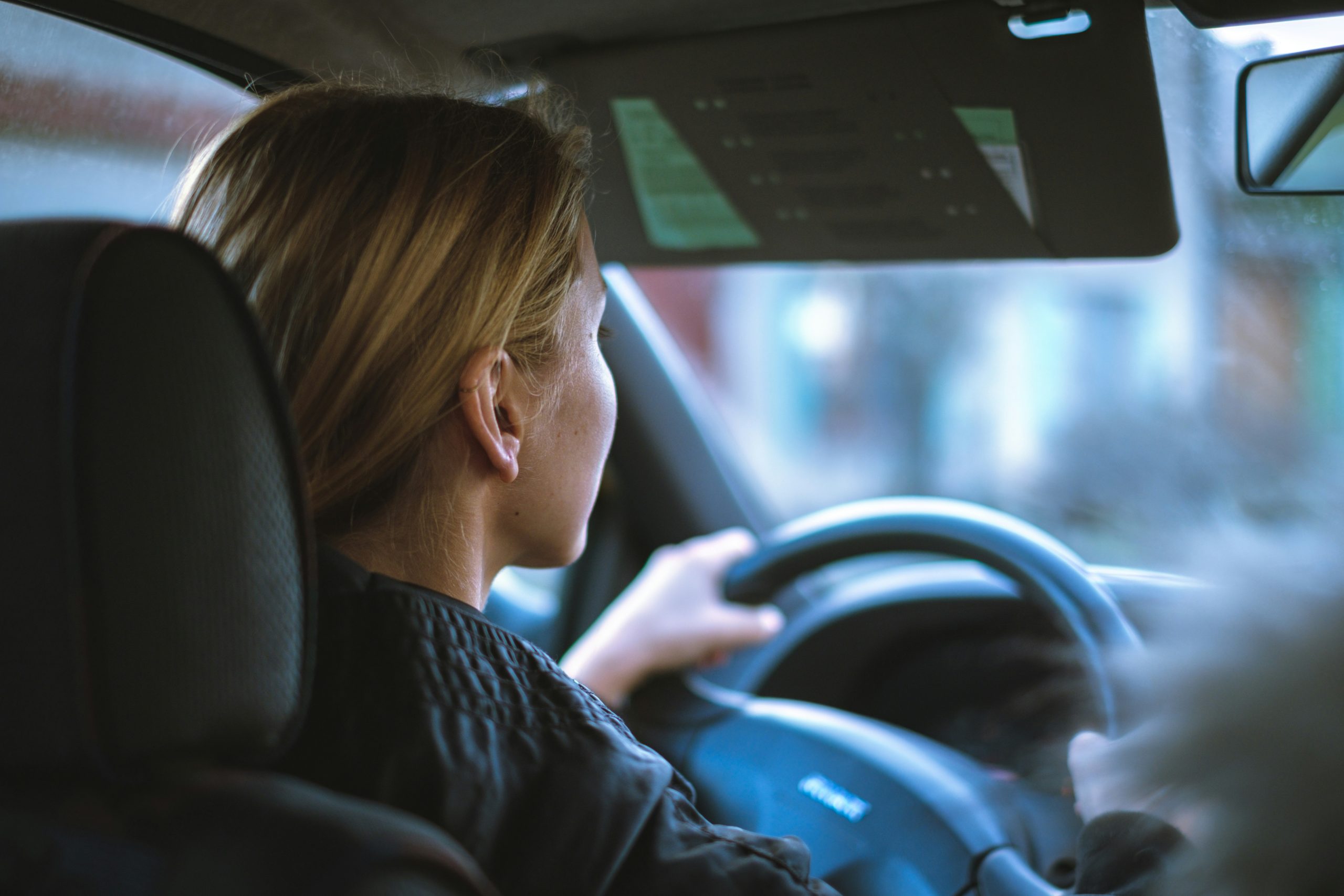
How to drive a car in Pakistan for beginners starts with understanding the country’s left-hand driving system, where vehicles move on the left side of the road and the driver’s seat is on the right side of the car. This system affects lane usage, turning behavior, overtaking, and road positioning. Beginners must consciously adapt to this, especially if they have learned from videos or games based on right-hand driving countries.
Driving in Pakistan involves mixed traffic conditions. Cars share the road with motorcycles, rickshaws, buses, pedestrians, bicycles, handcarts, and occasionally animals. Because of this, defensive driving and constant awareness are essential for beginners.
Left-Hand Driving System
- Drive on the left lane
- Overtake from the right
- Right turns are generally shorter; left turns require extra caution
- Roundabouts move clockwise
Failing to follow left-hand driving rules is a major cause of accidents, especially for new drivers.
Types of Cars Common in Pakistan
Manual Transmission Cars
Manual cars use a clutch and gear system. The driver must manually change gears based on speed. These cars are more common in Pakistan and require:
- Clutch control
- Gear timing
- Coordination between hands and feet
Automatic Transmission Cars
Automatic cars change gears automatically and do not have a clutch pedal. They are:
- Easier for beginners
- Less stressful in heavy traffic
- More common in urban areas
Summary
Driving basics in Pakistan include left-hand driving, mixed traffic awareness, and understanding manual vs automatic cars. Beginners must focus on road positioning, lane discipline, and defensive driving.
Key Insights
Awareness and patience are critical for beginners
Pakistan follows a left-hand driving system
Roads include mixed and unpredictable traffic
Manual cars require more practice than automatic cars
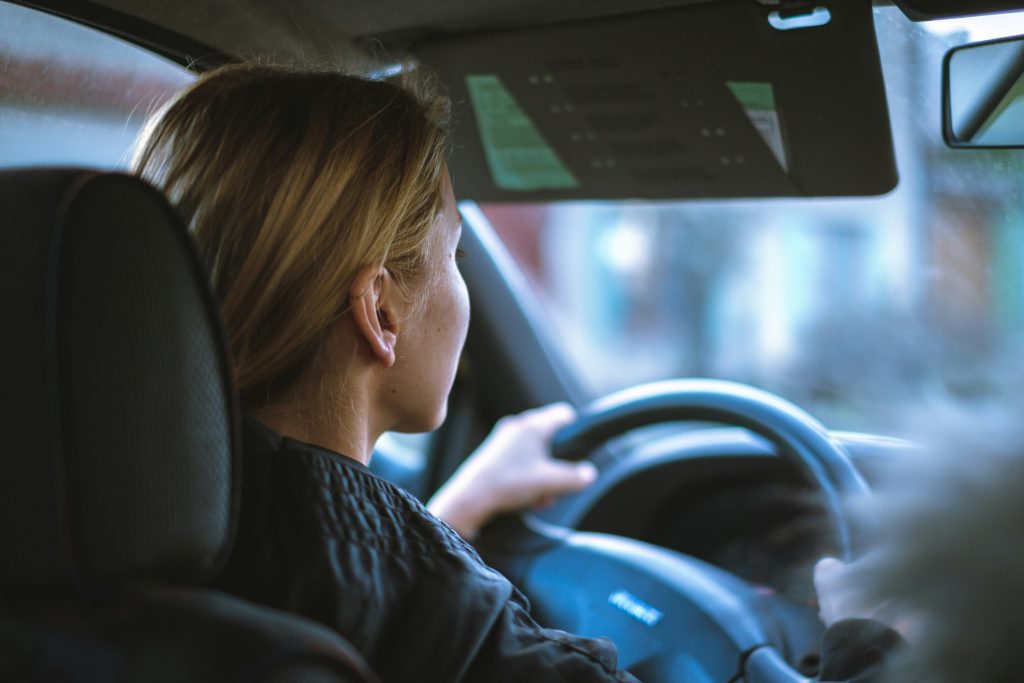
Basic Car Controls Every Beginner Must Know
Before driving on Pakistani roads, beginners must clearly understand basic car controls. Proper control knowledge reduces panic, prevents accidents, and builds driving confidence, especially in congested traffic.
Steering Wheel, Pedals, and Gears
Pedals in a Manual Car
- Clutch (left pedal): Disconnects engine power to change gears or stop safely
- Brake (middle pedal): Slows down or stops the vehicle
- Accelerator (right pedal): Increases vehicle speed
Clutch control is critical for beginners to avoid stalling, especially in traffic.
Pedals in an Automatic Car
- Brake (left pedal)
- Accelerator (right pedal)
Automatic cars do not have a clutch, making them easier for beginners.
Gear System
- Manual: Gears are changed manually (1–5 or 6 + Reverse)
- Automatic: Common modes include P (Park), R (Reverse), N (Neutral), D (Drive)
Dashboard Indicators Explained
The dashboard provides important information about the car’s condition:
- Speedometer: Shows vehicle speed
- Fuel gauge: Indicates fuel level
- Engine warning light: Signals engine issues
- Battery and oil indicators: Alert mechanical problems
Ignoring warning lights can lead to breakdowns or damage.
Mirrors and Seat Adjustment
Proper adjustment improves visibility and safety:
- Adjust seat so pedals are easily reachable
- Rear-view mirror should show full rear window
- Side mirrors should reduce blind spots
Correct mirror usage is essential in Pakistan due to frequent overtaking by motorcycles.
Summary
Basic car controls include pedals, steering, gears, dashboard indicators, and mirrors. Understanding these controls is essential before driving in real traffic conditions.
Key Insights
- Manual cars require clutch coordination
- Automatic cars are simpler for beginners
- Dashboard indicators provide safety alerts
- Proper mirror and seat adjustment improves road awareness
Step-by-Step Guide to Driving a Car for the First Time
This step-by-step process helps beginners learn how to drive a car safely on Pakistani roads. Practicing these steps in an empty area is recommended before entering traffic.
Starting the Car Safely
Manual Car
- Adjust seat and mirrors
- Fasten seat belt
- Press the clutch fully
- Ensure gear is in neutral
- Start the engine
Automatic Car
- Press the brake pedal
- Ensure gear is in P (Park)
- Start the engine
Moving Forward and Stopping
Manual Car
- Press clutch → shift to 1st gear
- Slowly release clutch while gently pressing accelerator
- To stop: press brake → press clutch → shift to neutral
Automatic Car
- Shift from P to D
- Release brake slowly
- Press accelerator gently
- To stop: press brake fully
Smooth acceleration and braking are important to maintain control.
Turning, Changing Lanes, and Parking
- Use indicators before turning or changing lanes
- Check mirrors and blind spots
- Slow down before turns
- Park only in designated areas
- Use handbrake after parking
In Pakistan, sudden lane changes by other vehicles are common, so extra caution is required.
Summary
Driving for the first time involves safe car start-up, smooth movement, correct turning techniques, and controlled stopping. Practicing these steps builds confidence and control.
Key Insights
- Always start the car with proper pedal control
- Use indicators consistently
- Brake smoothly to avoid skidding
- Practice in low-traffic areas first
Also Read: Morning Habits of Healthy People
Traffic Rules and Road Signs in Pakistan
Understanding traffic rules and road signs is essential for beginners to drive safely and legally in Pakistan. Traffic laws are enforced by provincial traffic police departments, and violations can result in fines (challans), license points, or vehicle impoundment.
Essential Traffic Laws for Beginners
- Drive on the left side of the road
- Obey traffic lights, signs, and police signals
- Wear seat belts at all times
- Do not use mobile phones while driving
- Do not drive under the influence of alcohol or drugs
- Give way to emergency vehicles
- Follow lane discipline where marked
Speed limits vary by road type:
- Urban areas: usually 40–60 km/h
- Highways: usually 80–120 km/h (as posted)
Common Road Signs and Signals
| Sign Type | Meaning |
|---|---|
| Red light | Stop |
| Green light | Proceed |
| Yellow light | Prepare to stop |
| Speed limit sign | Maximum allowed speed |
| No U-turn | U-turn prohibited |
| Pedestrian crossing | Slow down and give way |
Ignoring traffic signs is a common cause of accidents among new drivers.
Traffic Police, Signals, and Challans
Traffic police officers are authorized to:
- Stop vehicles for violations
- Issue challans (traffic fines)
- Check driving licenses and documents
Beginners should cooperate calmly, follow instructions, and keep required documents accessible.
Summary
Traffic rules in Pakistan focus on left-hand driving, signal obedience, speed control, and document compliance. Road signs guide safe movement and must be followed strictly.
Key Insights
- Always follow traffic signals and police instructions
- Speed limits vary by location
- Road signs provide safety guidance
- Violations can result in fines or penalties
Driving Safely in Pakistani Traffic Conditions
Pakistani roads are known for dense and mixed traffic, which requires beginners to drive defensively and remain alert at all times. Understanding how different road users behave helps reduce risk and improve safety.
Dealing with Motorcycles and Rickshaws
- Motorcycles often overtake from both left and right
- Rickshaws may stop suddenly without signals
- Maintain extra following distance
- Avoid driving in blind spots
- Use horn briefly to alert, not intimidate
Motorcycles make up a large portion of road traffic, especially in cities.
Driving in Heavy Traffic
- Drive slowly and steadily
- Avoid aggressive acceleration or braking
- Keep your lane whenever possible
- Stay patient during congestion
- Watch for pedestrians crossing unexpectedly
Beginners should avoid rush hours until they gain confidence.
Night and Rain Driving Tips
Night Driving
- Use low-beam headlights in city traffic
- Avoid high beams in oncoming traffic
- Reduce speed due to limited visibility
Rain Driving
- Drive at reduced speeds
- Increase distance from other vehicles
- Avoid flooded roads and potholes
- Use headlights even during daytime rain
Summary
Safe driving in Pakistan requires defensive driving, awareness of motorcycles and rickshaws, patience in traffic, and extra caution during night and rain conditions.
Key Insights
- Expect unpredictable traffic behavior
- Maintain safe following distance
- Reduce speed in poor visibility
- Defensive driving minimizes risk
Common Beginner Mistakes and How to Avoid Them
Learning to drive in Pakistan can be challenging, and beginners often make predictable mistakes. Recognizing and correcting them early helps improve safety and confidence.
| Common Mistake | How to Avoid It |
|---|---|
| Stalling the car | Practice clutch control in manual cars; don’t rush gear changes |
| Sudden braking | Maintain a safe following distance; anticipate stops |
| Ignoring mirrors | Check mirrors frequently, especially before lane changes and turns |
| Over-speeding | Follow speed limits and adjust speed according to traffic conditions |
| Panic in traffic | Start on empty roads, gradually increase exposure to busy streets |
Other Tips
- Avoid distractions like mobile phones or music
- Be patient in heavy traffic and don’t compete with aggressive drivers
- Learn defensive driving techniques to anticipate others’ mistakes
- Take lessons from a licensed instructor if possible
Summary
Beginner mistakes often involve clutch errors, sudden braking, mirror neglect, over-speeding, and panic. Awareness, practice, and patience help prevent these errors.
Key Insights
- Stalling is common for manual car beginners
- Defensive driving is essential in Pakistan
- Frequent mirror checks prevent accidents
- Gradual practice builds confidence
Legal Requirements to Drive in Pakistan
Driving legally in Pakistan requires compliance with licensing laws, vehicle documentation, and age regulations. Beginners must understand these requirements before taking to the roads.
Learner Permit vs Driving License
- Learner Permit
- Allows practice driving under supervision
- Issued to beginners aged 18 or older
- Typically valid for 6–12 months
- Must carry CNIC (national ID) while practicing
- Permanent Driving License
- Issued after passing a driving test
- Allows independent driving
- Different categories exist for cars, motorcycles, and commercial vehicles
Required Documents While Driving
- Valid Driving License or Learner Permit
- Vehicle Registration Book (RC)
- CNIC or National ID
- Token Tax Receipt (proof of road tax payment)
- Insurance Documents (highly recommended)
Keeping these documents accessible during driving prevents fines and legal issues.
Age and Testing Requirements
- Minimum age: 18 years for a learner permit
- Driving test: Includes practical skills, traffic rules, and road safety knowledge
- Renewal: Licenses must be renewed periodically as per provincial regulations
Driving without a valid license is illegal and can result in fines, challans, or vehicle impoundment.
Summary
Legal driving in Pakistan requires a learner permit or license, proper vehicle documentation, and adherence to age requirements. Compliance with these rules prevents fines and ensures safe, lawful driving.
Key Insights
- Beginners need a learner permit before independent driving
- Carry all required documents at all times
- Age must meet legal minimum (18+)
- Passing a driving test is mandatory for a full license
Also read Pappedeckel: Sustainable Packaging Lid Solutions,
Tips to Gain Confidence as a New Driver
Gaining confidence is crucial for beginners in Pakistan, where traffic can be unpredictable. Gradual practice, safety awareness, and realistic goals help new drivers feel secure behind the wheel.
Practice on Empty Roads
- Start early in the morning or late at night when traffic is minimal
- Focus on basic maneuvers like starting, stopping, turning, and parking
- Repetition builds muscle memory and reduces anxiety
Drive with an Instructor or Experienced Driver
- Learn correct techniques and road behavior
- Receive real-time guidance on mistakes
- Understand local traffic nuances that textbooks may not cover
Gradually Increase Exposure
- Begin with residential areas before moving to busy streets
- Progress to highways once comfortable with traffic, lane discipline, and speed control
- Avoid rush-hour traffic until confidence grows
When to Drive Alone
- Only after consistent practice in varied conditions
- Ensure familiarity with car controls, mirrors, and dashboard indicators
- Always carry essential documents and emergency contacts
Summary
Confidence as a new driver comes from structured practice, guidance from experienced drivers, gradual exposure to busy roads, and mastering basic car controls.
Key Insights
- Start practicing on empty roads
- Learn with guidance before driving alone
- Gradually challenge yourself with busier streets
- Consistent practice reduces fear and mistakes
Manual vs Automatic Cars in Pakistan: Which is Better for Beginners?
Many beginners in Pakistan struggle to decide whether to start with a manual or automatic car. Understanding the differences can help new drivers choose the right vehicle for learning.
Comparison Table: Manual vs Automatic Cars
| Feature | Manual | Automatic |
|---|---|---|
| Clutch Required | Yes | No |
| Ease of Learning | Harder | Easier for beginners |
| Traffic Handling | Challenging in heavy traffic | Easier in stop-and-go traffic |
| Fuel Efficiency | Usually better | Slightly lower |
| Cost | Generally cheaper | Often more expensive |
| Availability in Pakistan | Very common | Increasing in urban areas |
Key Points for Beginners
- Manual cars teach complete control and gear handling but require patience and practice.
- Automatic cars are simpler, less stressful, and ideal for city traffic beginners.
- Choose based on your comfort, practice availability, and traffic exposure.
Summary
Beginners in Pakistan may prefer automatic cars for easier city driving, while manual cars are more common and provide full control. Understanding differences helps beginners learn efficiently.
Key Insights
- Automatic cars are easier for first-time drivers
- Manual cars require practice, especially in traffic
- Choose the car type based on learning goals and local traffic conditions
Also read Simpciry: The Ultimate Guide to Living with
Conclusion
Learning to drive a car in Pakistan as a beginner can feel intimidating due to dense traffic, mixed road users, and local driving habits. However, with proper understanding of car controls, adherence to traffic rules, and consistent practice, new drivers can gain confidence and become safe, responsible road users.
Key strategies for beginner drivers include:
- Starting with empty roads or low-traffic areas
- Practicing manual or automatic car controls regularly
- Following traffic laws, road signs, and lane discipline
- Using defensive driving techniques in unpredictable traffic
- Gradually increasing exposure to busy streets and highways
By combining knowledge, practice, and patience, beginners can master driving in Pakistan safely and efficiently, ensuring both personal safety and compliance with legal requirements.
Frequently Asked Questions (FAQs)
1. Is driving a car difficult for beginners in Pakistan?
Driving in Pakistan can be challenging for beginners due to heavy traffic, mixed road users, and unpredictable driving behavior. However, with proper training, regular practice, and defensive driving techniques, beginners can learn to drive safely and confidently.
2. Does Pakistan follow left-hand or right-hand driving?
Pakistan follows a left-hand driving system, meaning vehicles drive on the left side of the road, and the driver sits on the right side of the car.
3. Is it better to learn driving on a manual or automatic car in Pakistan?
For beginners, automatic cars are easier because they do not require clutch control. However, manual cars are more common in Pakistan and learning them provides better overall driving control.
4. What documents are required to drive legally in Pakistan?
Drivers must carry:
- A valid learner permit or driving license
- Vehicle registration book
- CNIC
- Token tax receipt
- Vehicle insurance (recommended)
Driving without proper documents can result in fines or penalties.
5. At what age can someone start driving in Pakistan?
The minimum age to apply for a learner permit in Pakistan is 18 years. A permanent driving license is issued after completing the learner period and passing the driving test.
6. How can beginners practice driving safely in Pakistan?
Beginners should:
- Practice on empty roads or residential streets
- Drive with an experienced driver or instructor
- Avoid rush hours
- Gradually move to busier roads as confidence improves
7. What are the most common beginner driving mistakes in Pakistan?
Common mistakes include stalling the car, sudden braking, ignoring mirrors, over-speeding, and panicking in traffic. These can be avoided through practice, patience, and defensive driving.
References
The following authoritative and credible sources support driving rules, safety standards, and legal requirements in Pakistan:
- Punjab Traffic Police – Official traffic laws, licensing procedures, and road safety guidelines
- Sindh Traffic Police – Driving regulations, traffic signs, and enforcement policies
- Government of Pakistan – Traffic Rules & Regulations
- Pakistan Driving License Issuing Authorities (Provincial) – Licensing and legal compliance standards
 Who Can